
Utopia in Architecture: Between Dreams, Brutality, and Futuristic Vision
From brutalism to Le Corbusier's Plan Voisin, an exploration of how utopian visions have shaped architecture and continue to inspire it.

Architecture has always been a discipline fueled by dreams of a better future. Among these dreams, utopia holds a central place. Whether seen as an ambitious vision or an unattainable ideal, utopia drives architects to rethink spaces, societies, and even our relationship with the planet. In this article, I explore the role of utopia in architecture through concrete examples and reflections on its relevance today.
For a full overview of the movement — origins, French heritage, a photographer’s eye — see my guide to brutalist architecture.
Utopia is reality in the making.
Yona Friedman
Utopia: A Driving Force for Architectural Innovation
Utopia has always been a powerful driver of innovation in architecture. It compels designers to transcend present constraints and envision spaces that respond to society’s future aspirations. Iconic works such as Utopia by Thomas More (1516) and The City of the Sun by Tommaso Campanella (1604) proposed organized, geometric cities, reflecting a pursuit of social and spatial harmony (source: Chroniques d’Architecture).
Over the centuries, this pursuit has evolved. In response to the growing unsanitary conditions of the Industrial Revolution, thinkers like Charles Fourier imagined communal structures such as the Phalanstery, designed to improve the physical and moral well-being of the working classes.
However, it is essential to distinguish architectural imagination from a truly utopian approach. While contemporary architects excel in proposing innovative forms and bold materials, these aesthetic choices do not necessarily constitute utopia. Utopia in architecture goes beyond aesthetics; it questions and reinvents social structures, lifestyles, and human interactions within built spaces.
Thus, utopia remains an essential design tool, encouraging architects to deeply rethink cities and living spaces in search of innovative solutions to contemporary challenges.
Lost Utopias: Brutalism, An Unfinished Dream
Lost Utopias – Brutal Lines
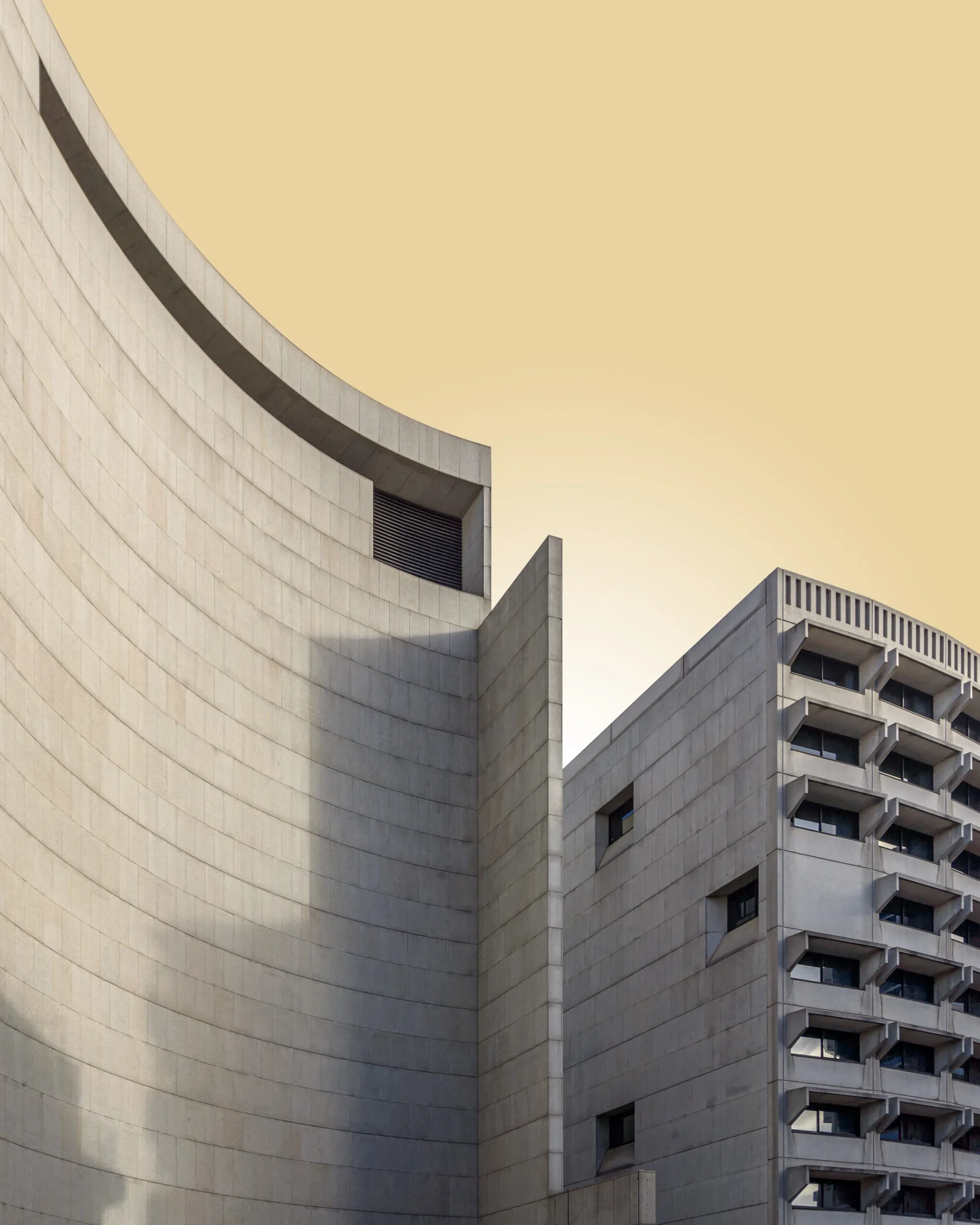
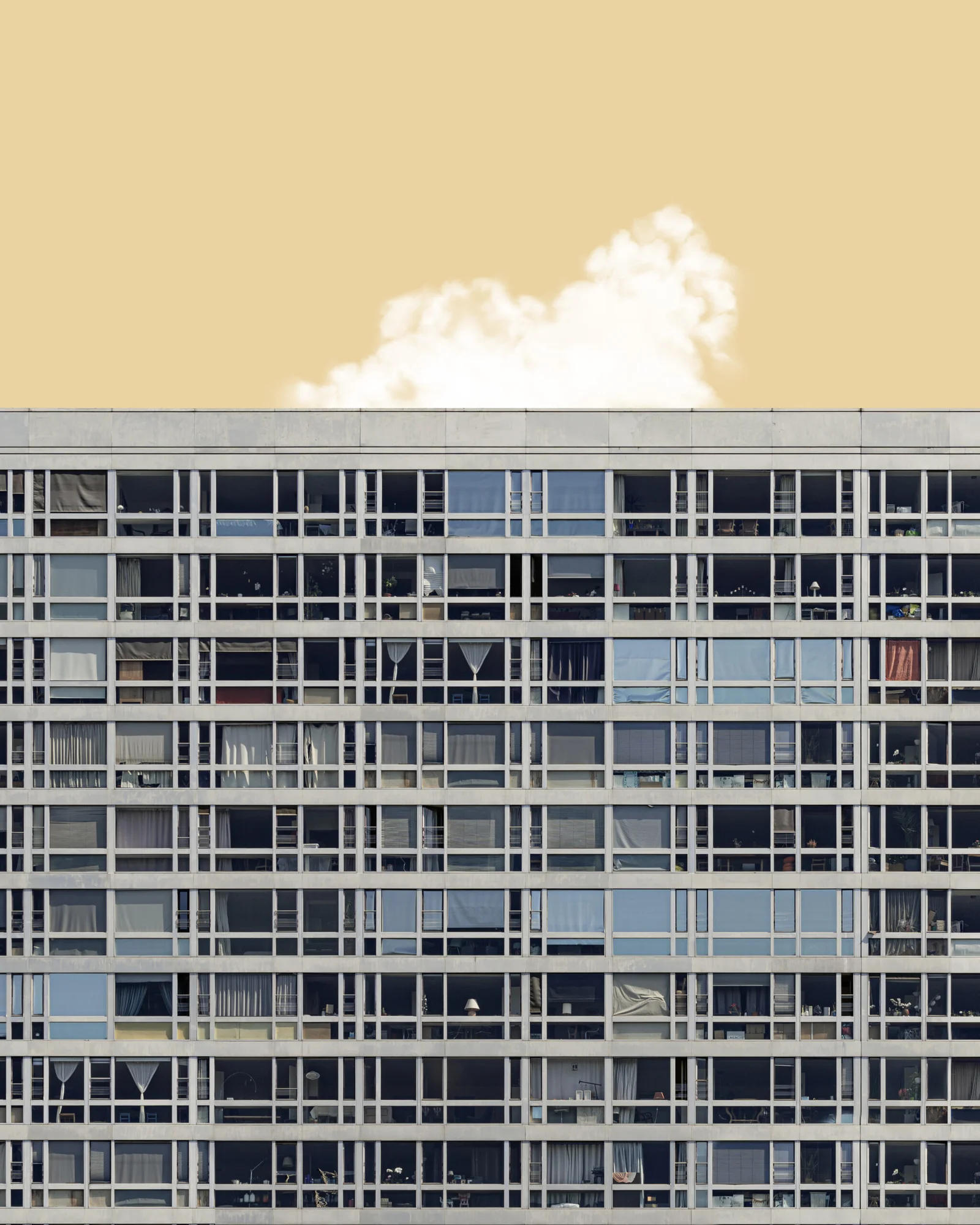
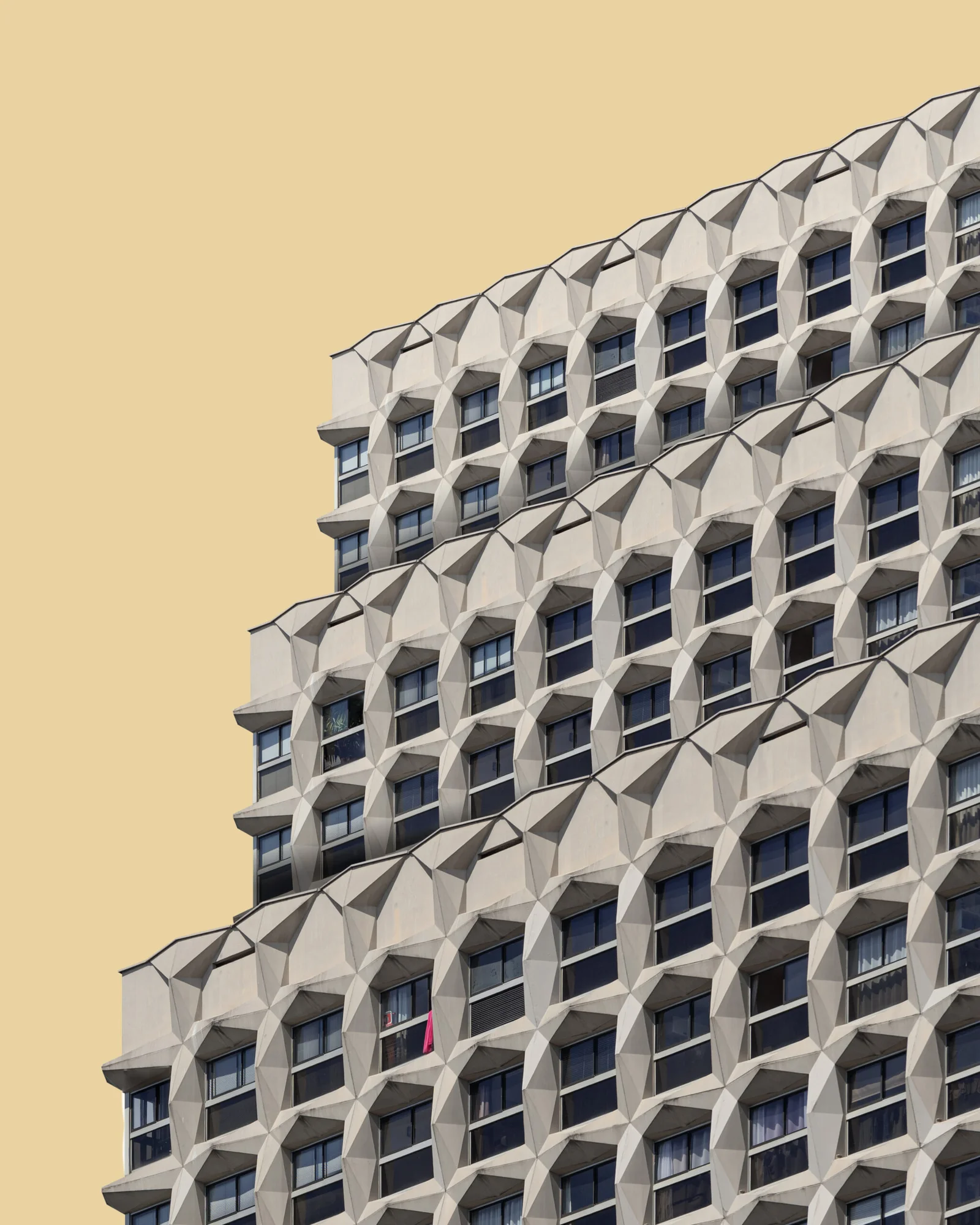
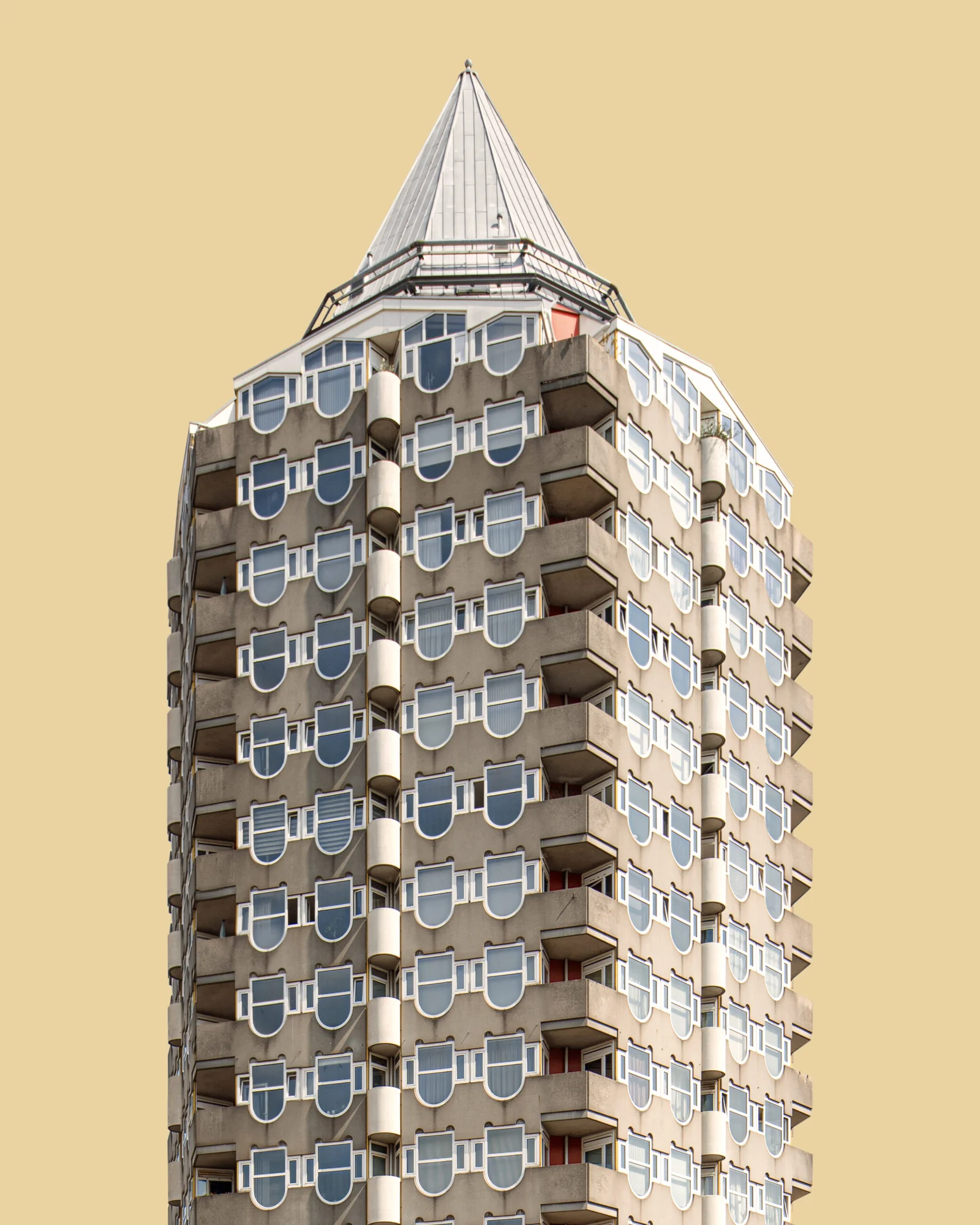
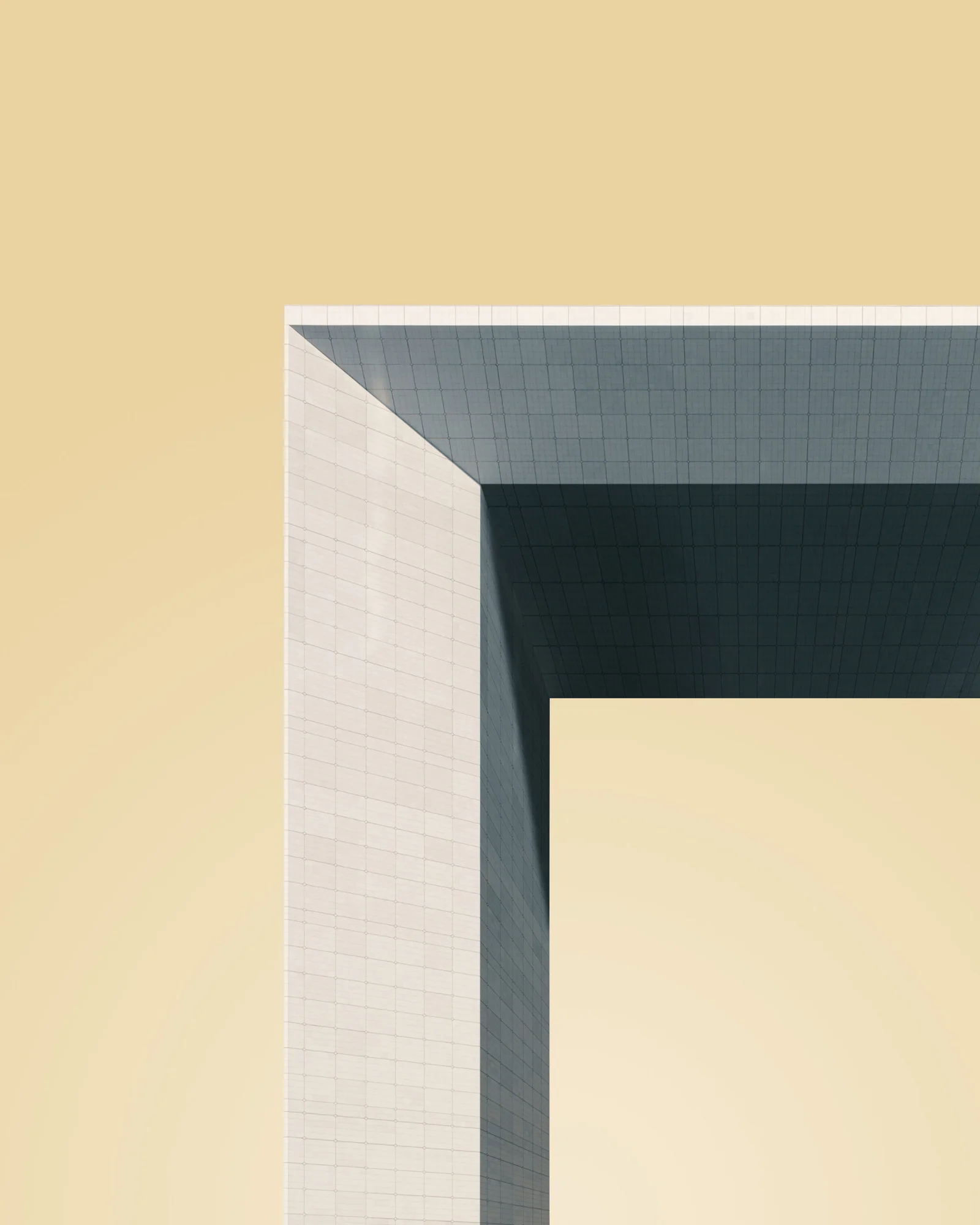
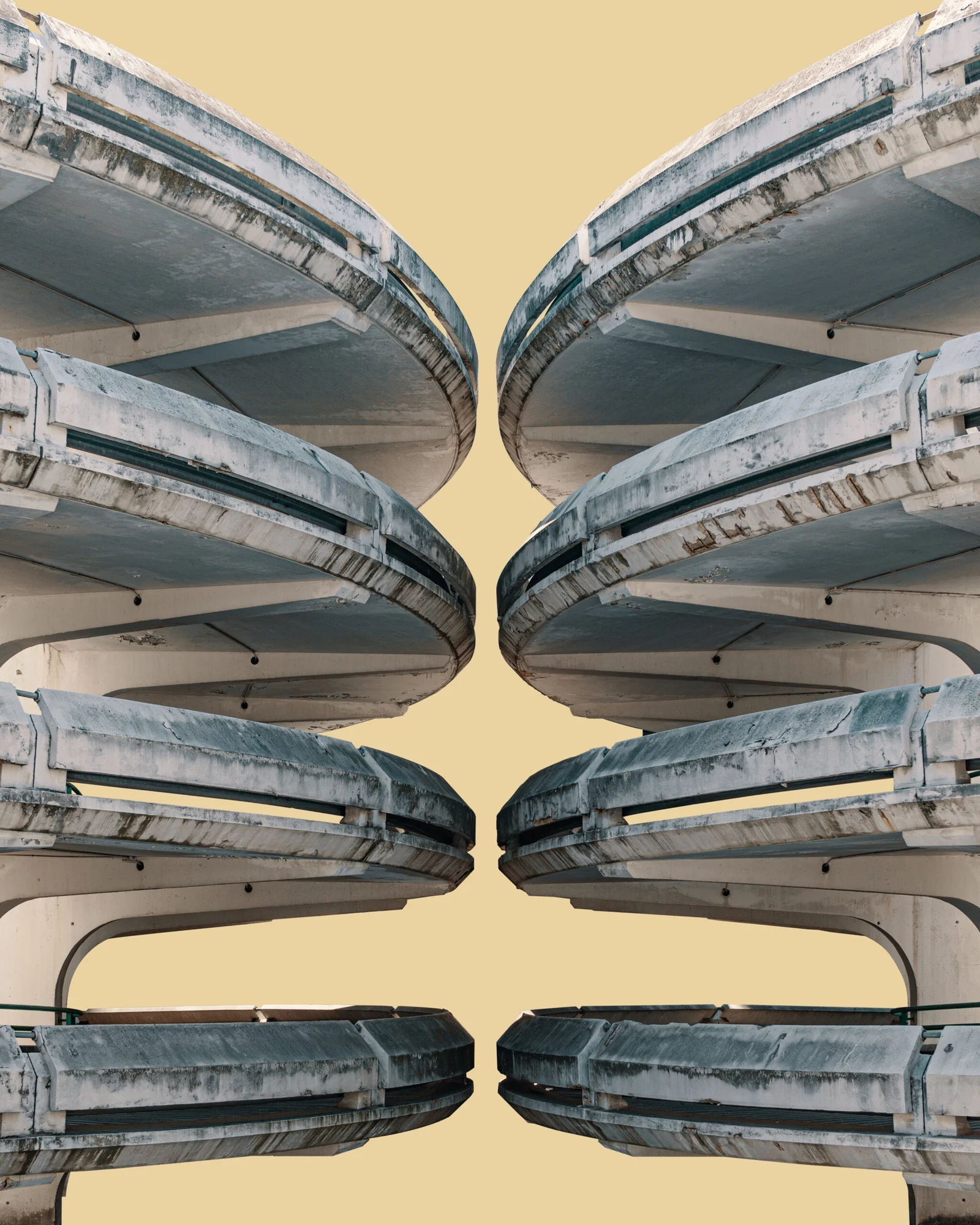
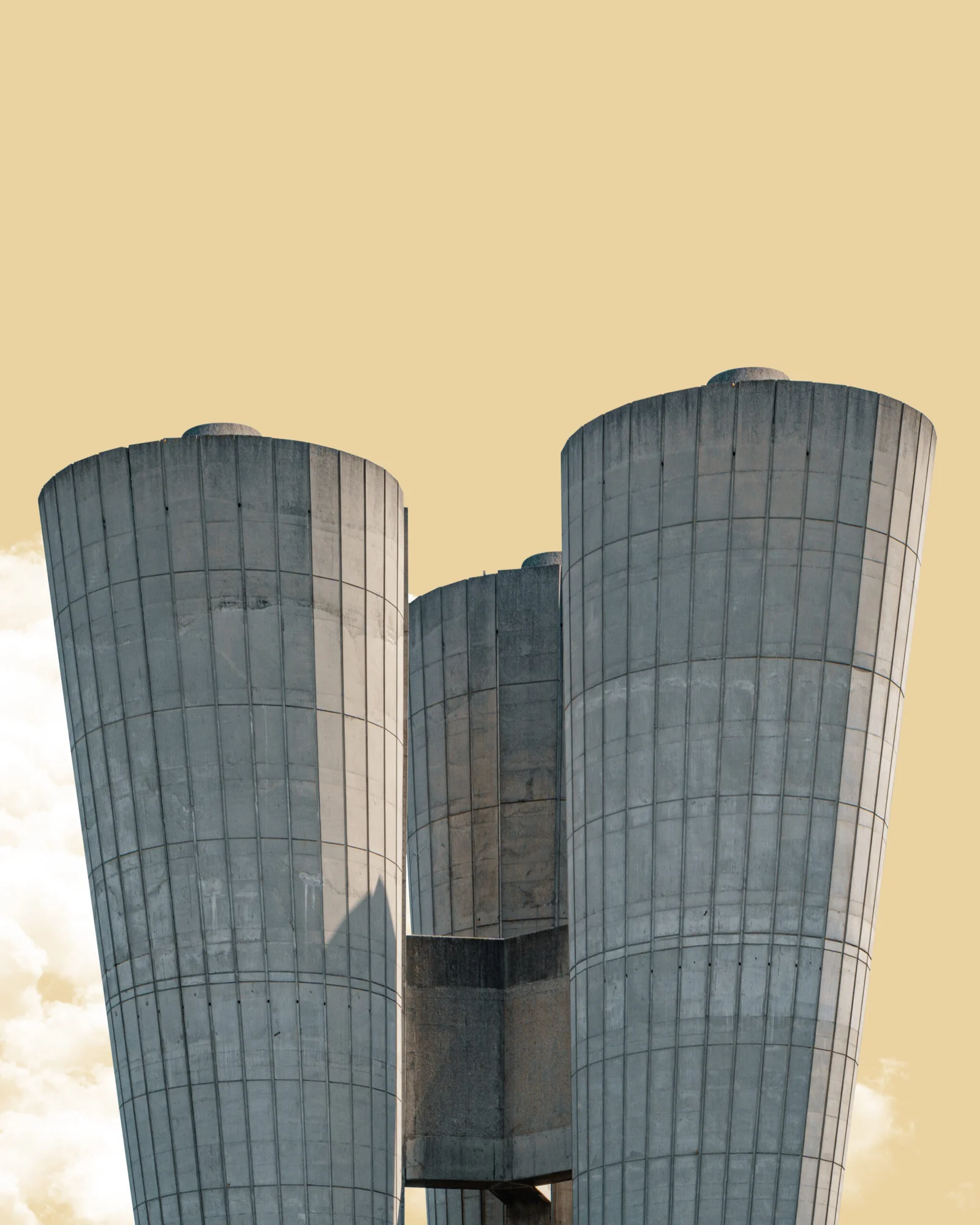
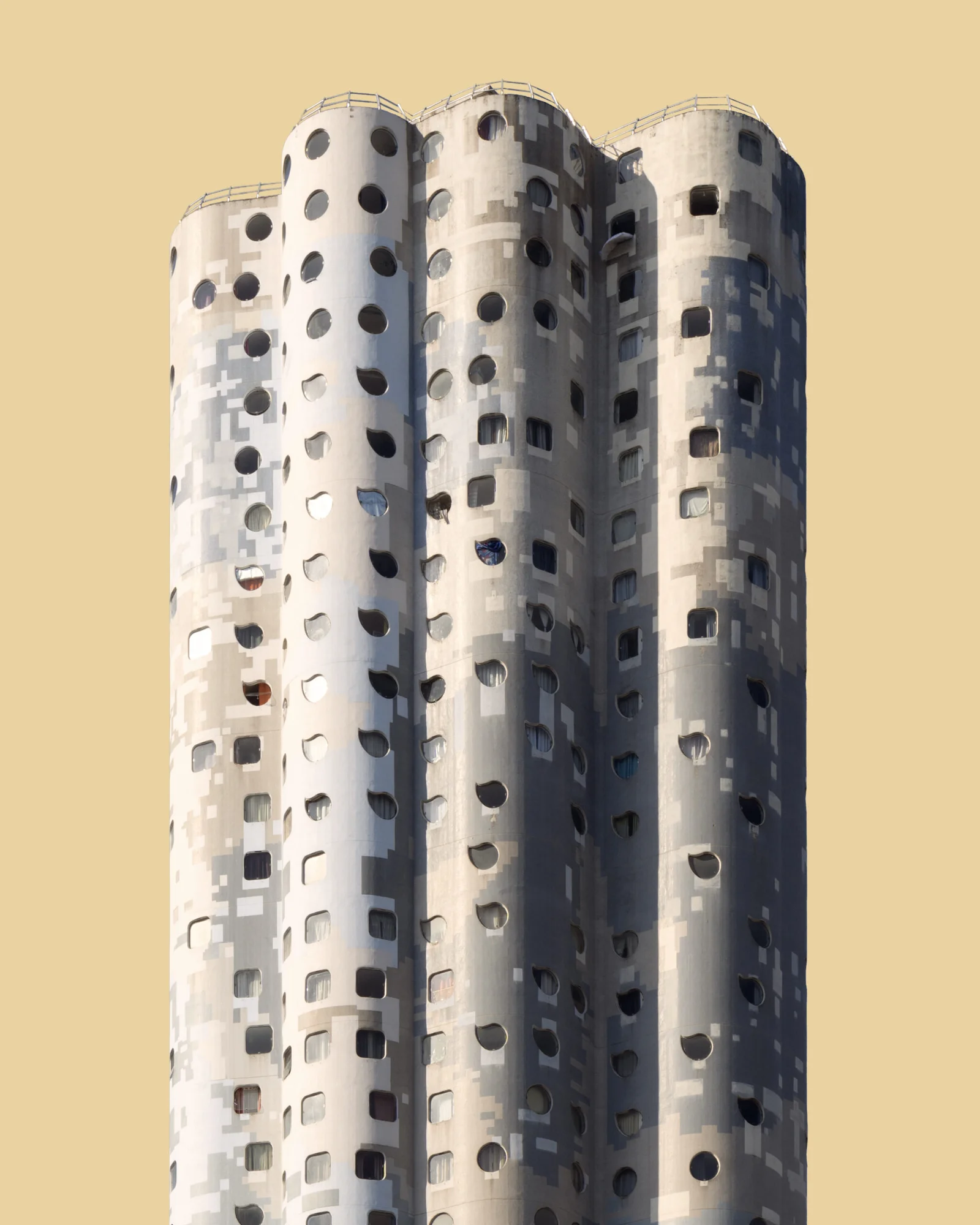

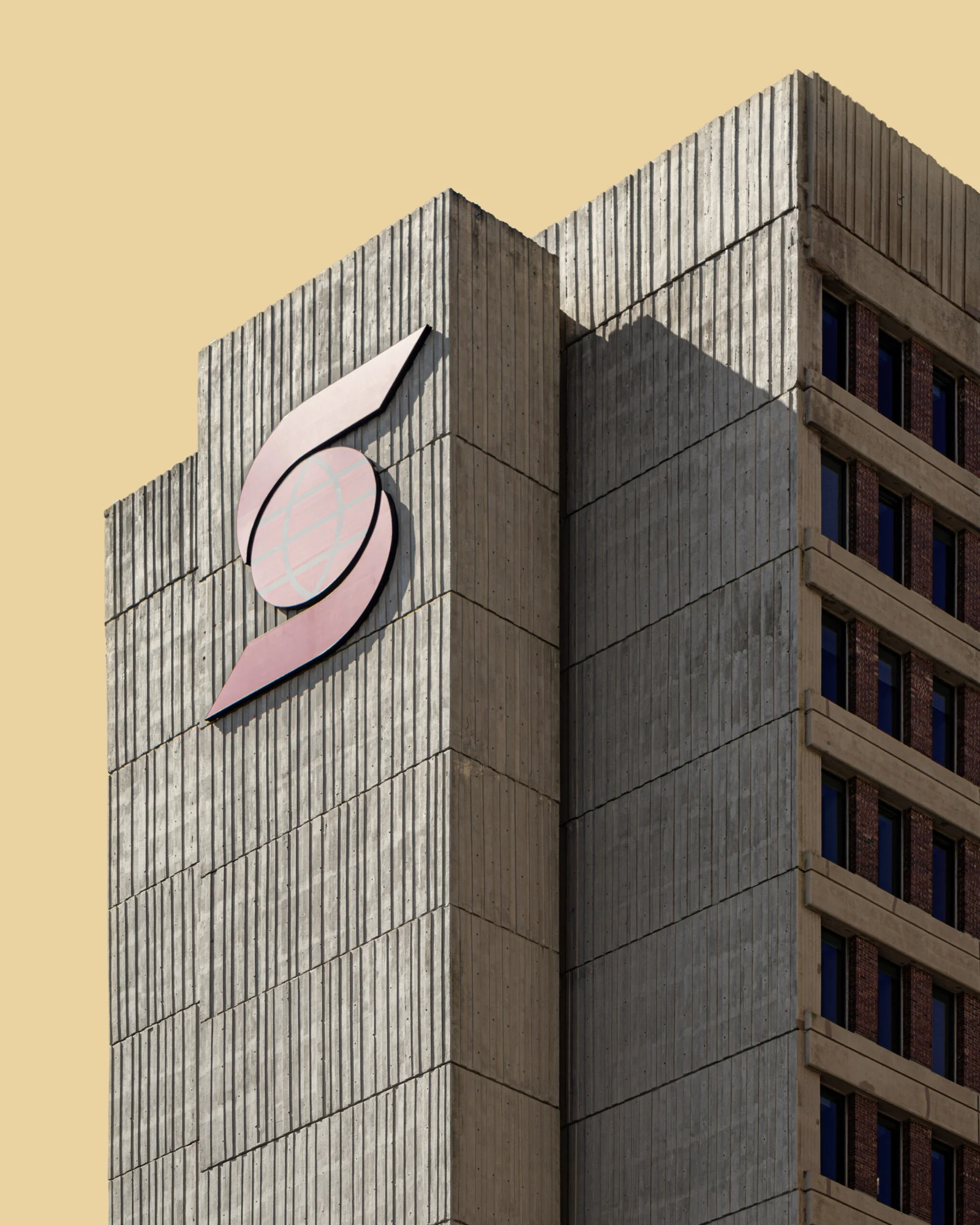
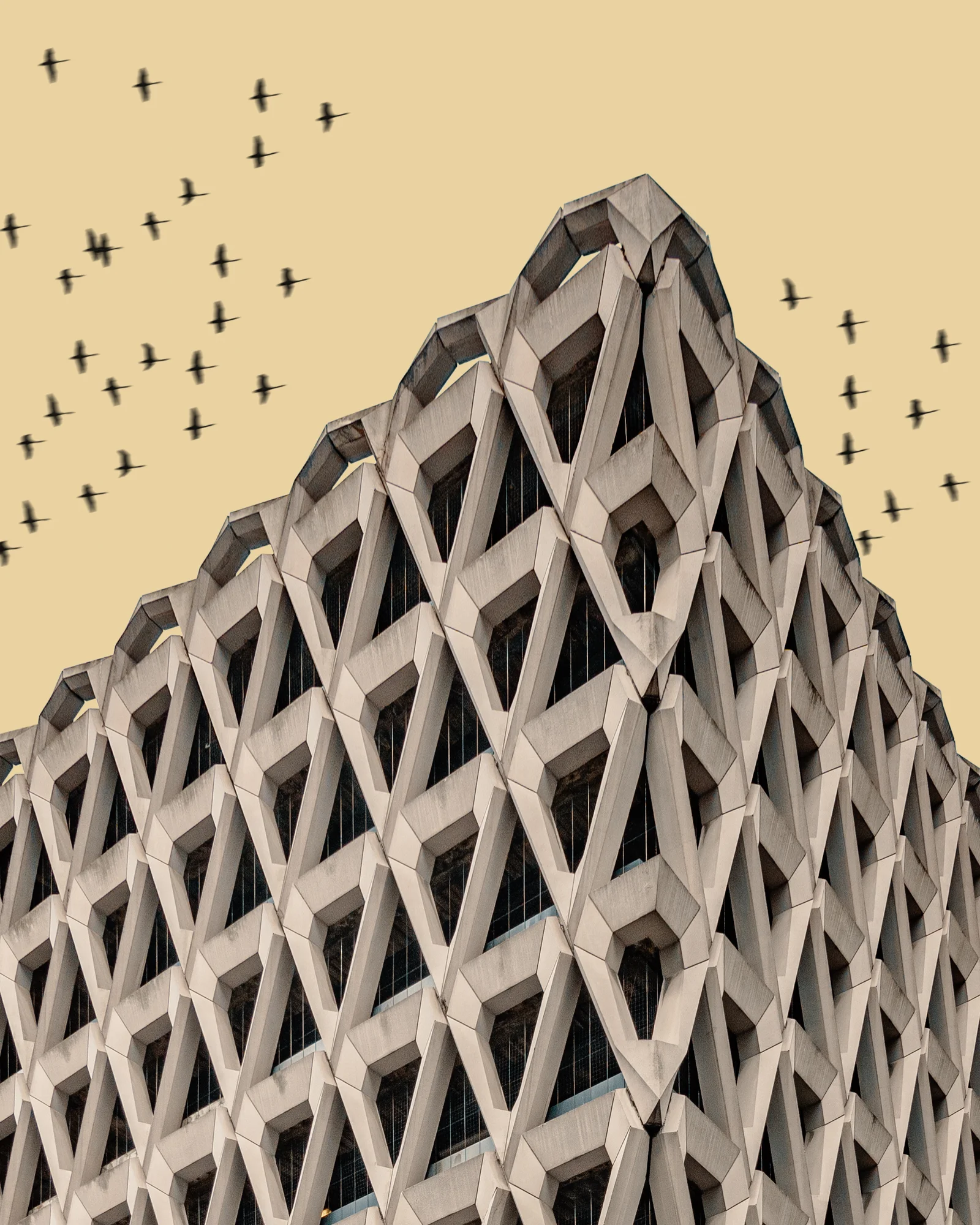

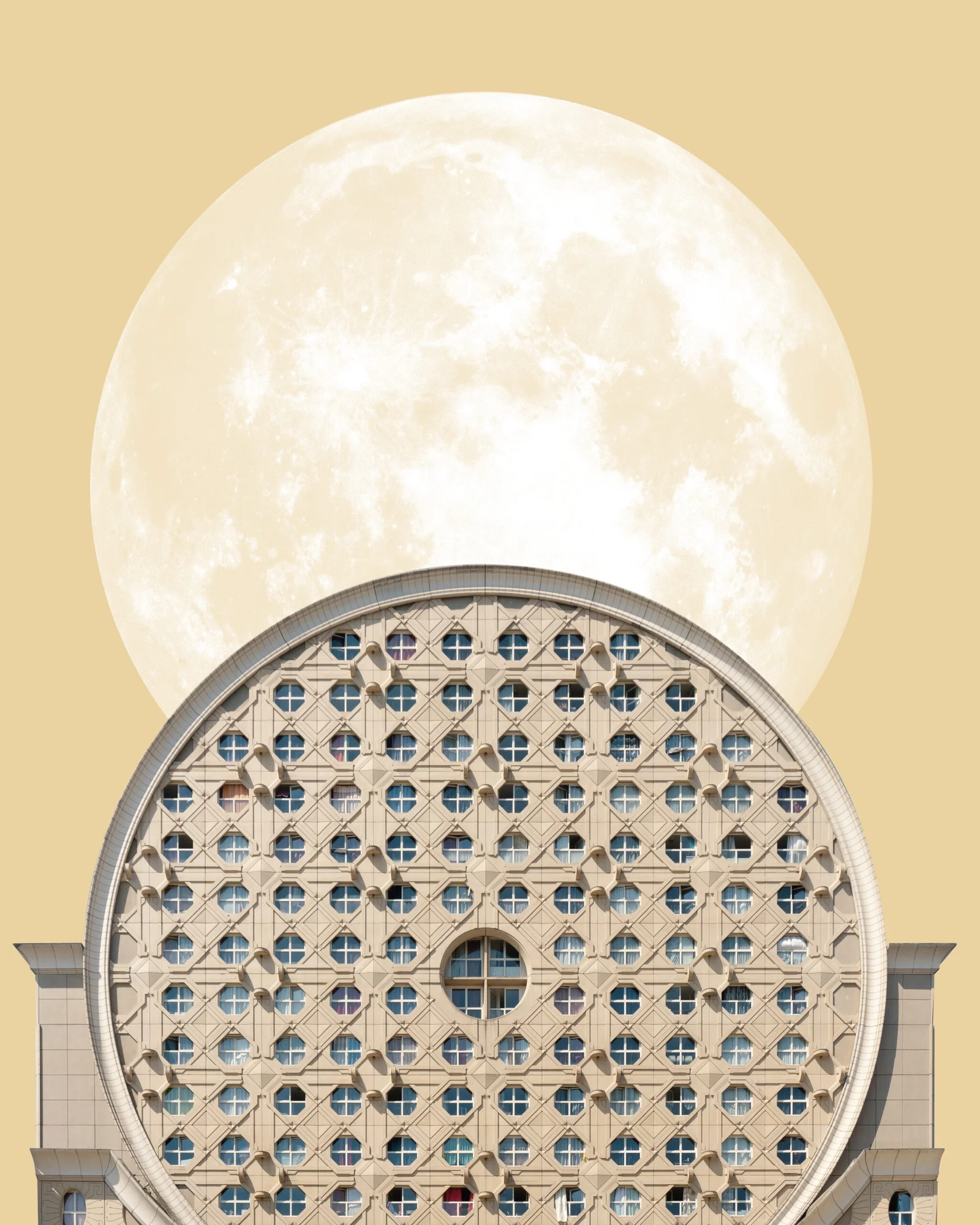

Brutalism, often seen as austere or dehumanized, is in fact rooted in a utopian vision. In the 1950s-70s, it embodied an ideal of modernity and efficiency, striving to address the need for mass housing in a rapidly changing society.
Through my series Lost Utopias, I aimed to uncover the hidden beauty of brutalist housing estates. These structures, often criticized, are filled with architectural boldness and reflect a desire to build inclusive communities.
Unbuilt Projects: The Legacy of Virtual Dreams
The history of architecture is filled with utopian projects that were never brought to life. These visions, though unrealized, continue to inspire architects and designers.
Architecture is an art that must evoke emotions
Oscar Niemeyer
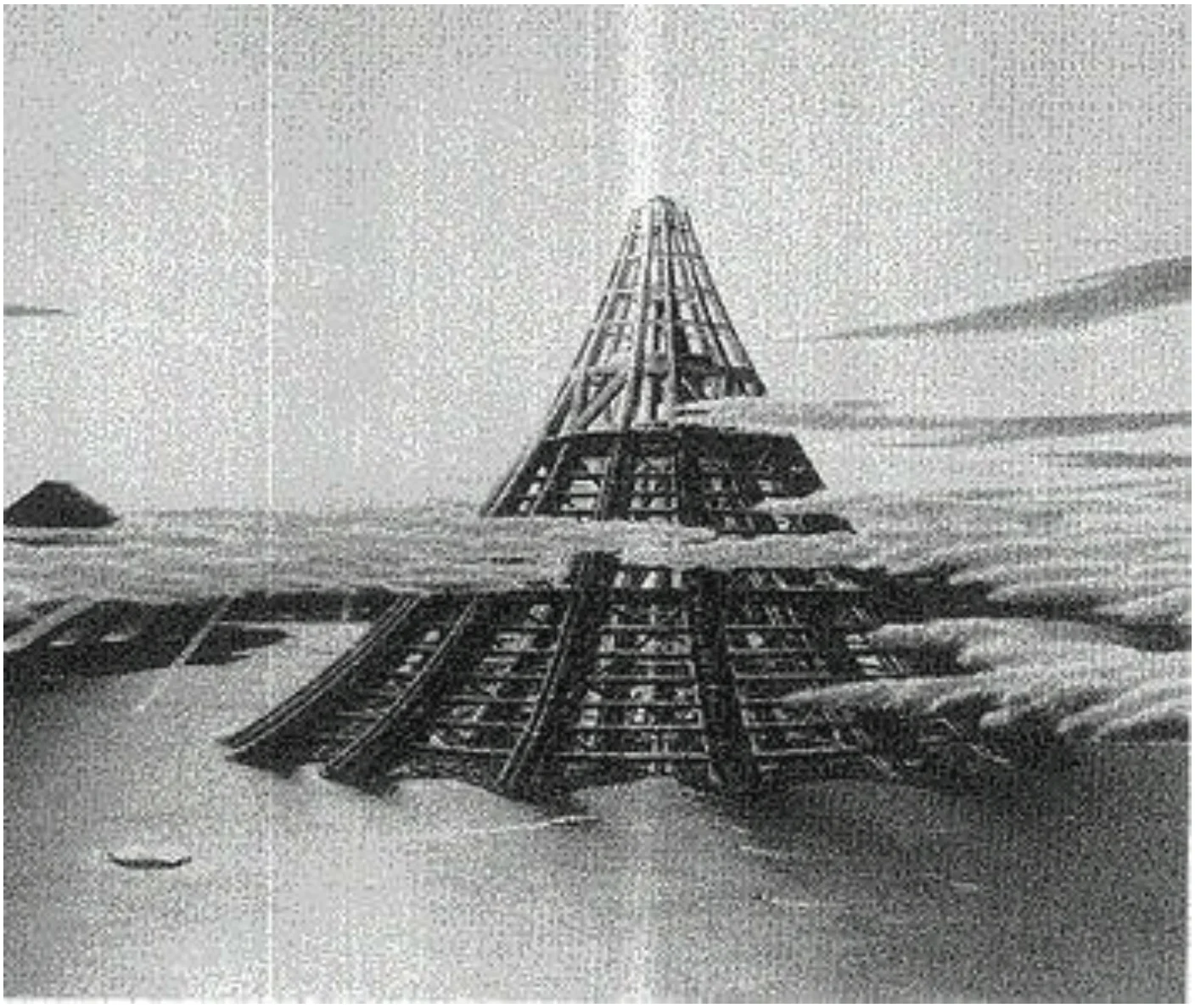
In the UnBUILT series, I explored utopian projects such as the X-Seed 4000, the largest megastructure ever imagined, and Le Corbusier’s Plan Voisin. These virtual projects, reconstructed using digital tools and archives, offer a glimpse into architectural dreams that could have radically transformed our urban landscapes.
Before (The Original Drawing) – Sketch by Adolf Loos for the Chicago Tribune Headquarters competition (1922) – a bold and monumental vision that was never realized, designed to symbolize classicism at the heart of modern urbanism.
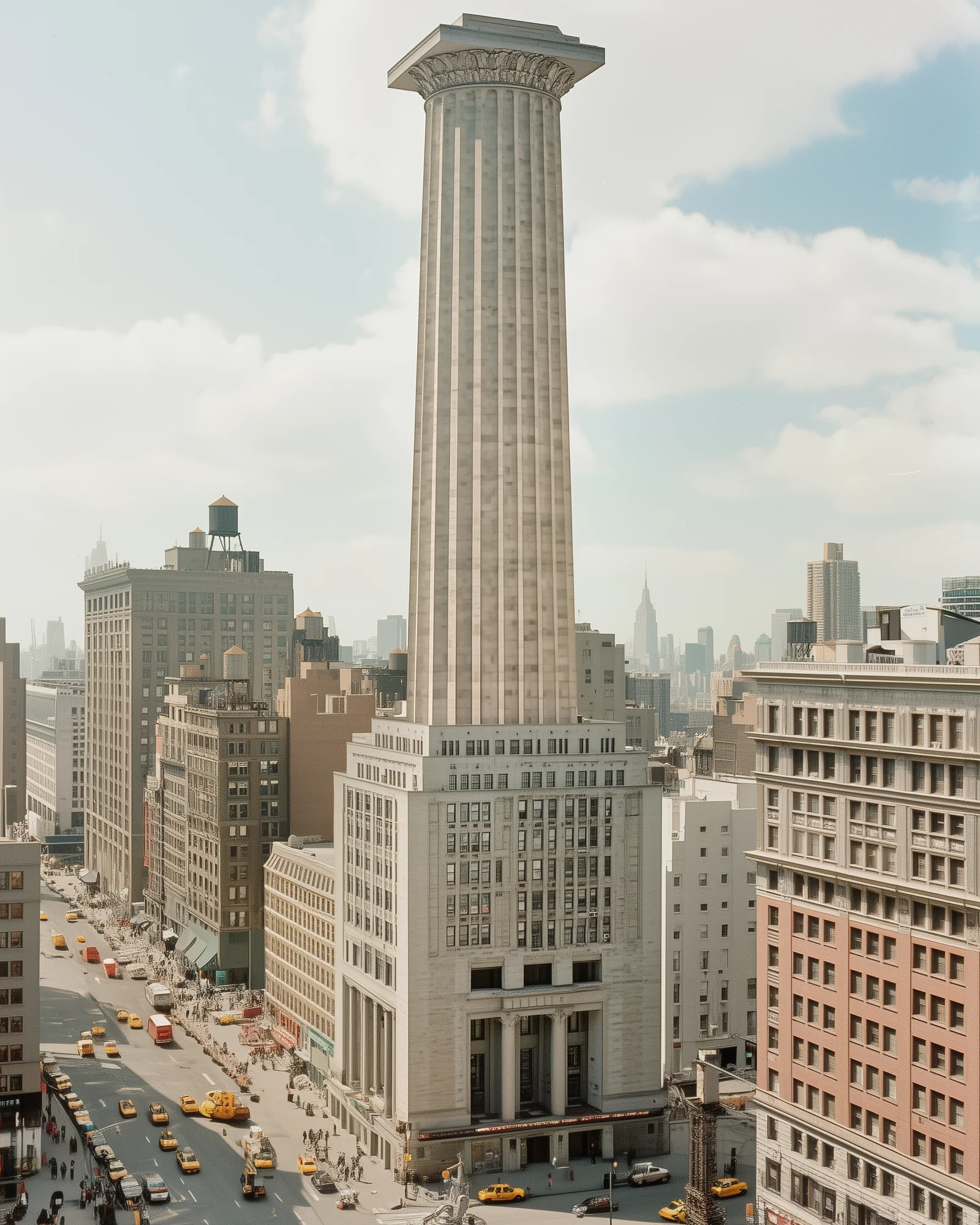
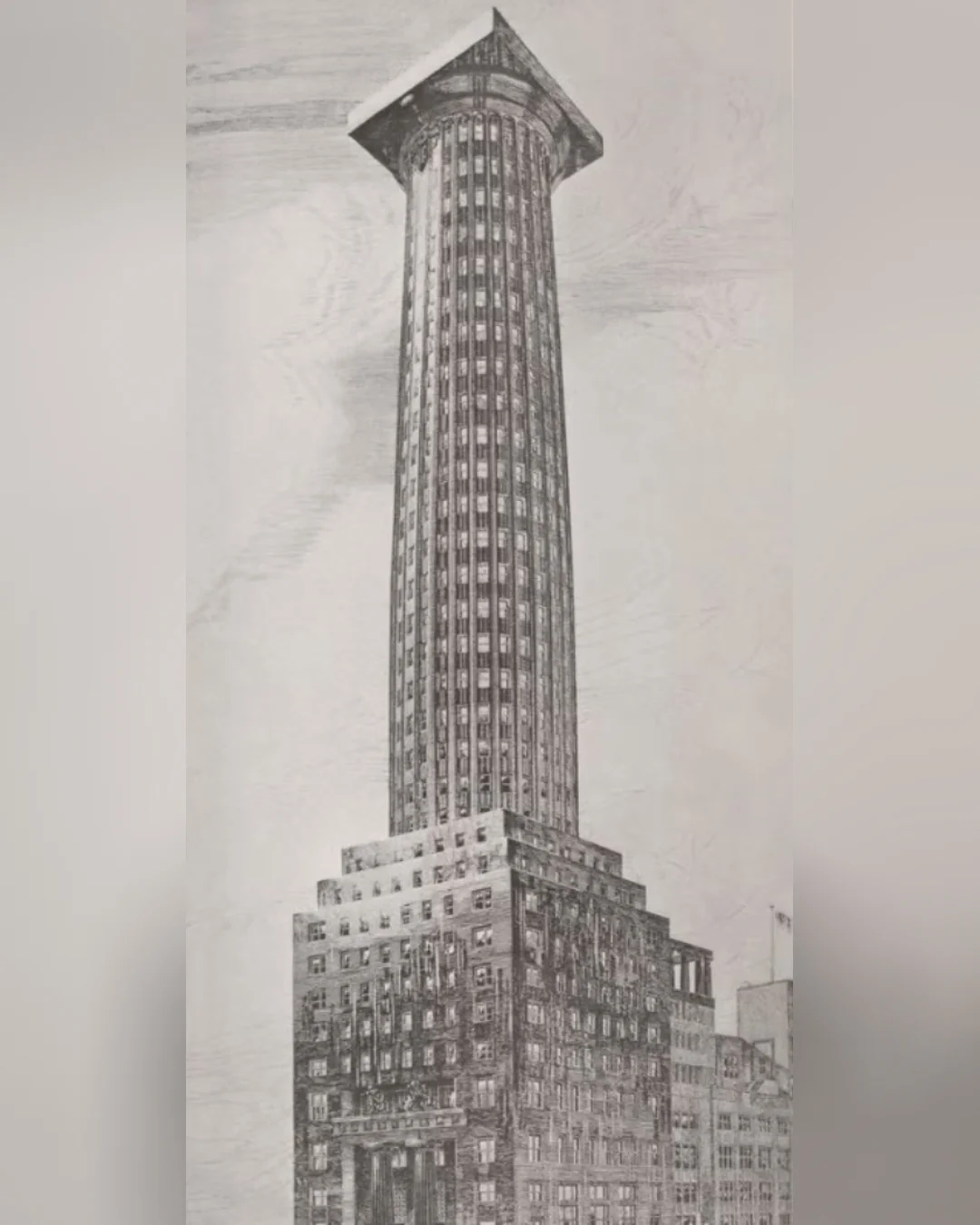
These works are not mere exercises in style. They challenge our ability to integrate radical visions into modern contexts.

The Plan Voisin: A Controversial Utopia for Paris
In the 1920s, Le Corbusier proposed a radical transformation of central Paris with the Plan Voisin. His idea? To demolish much of the historic center and replace it with skyscrapers surrounded by green spaces. Although this project was never realized, it embodies a futuristic vision that continues to divide architects.
Architecture is the skillful, correct, and beautiful play of volumes assembled under light.
Le Corbusier
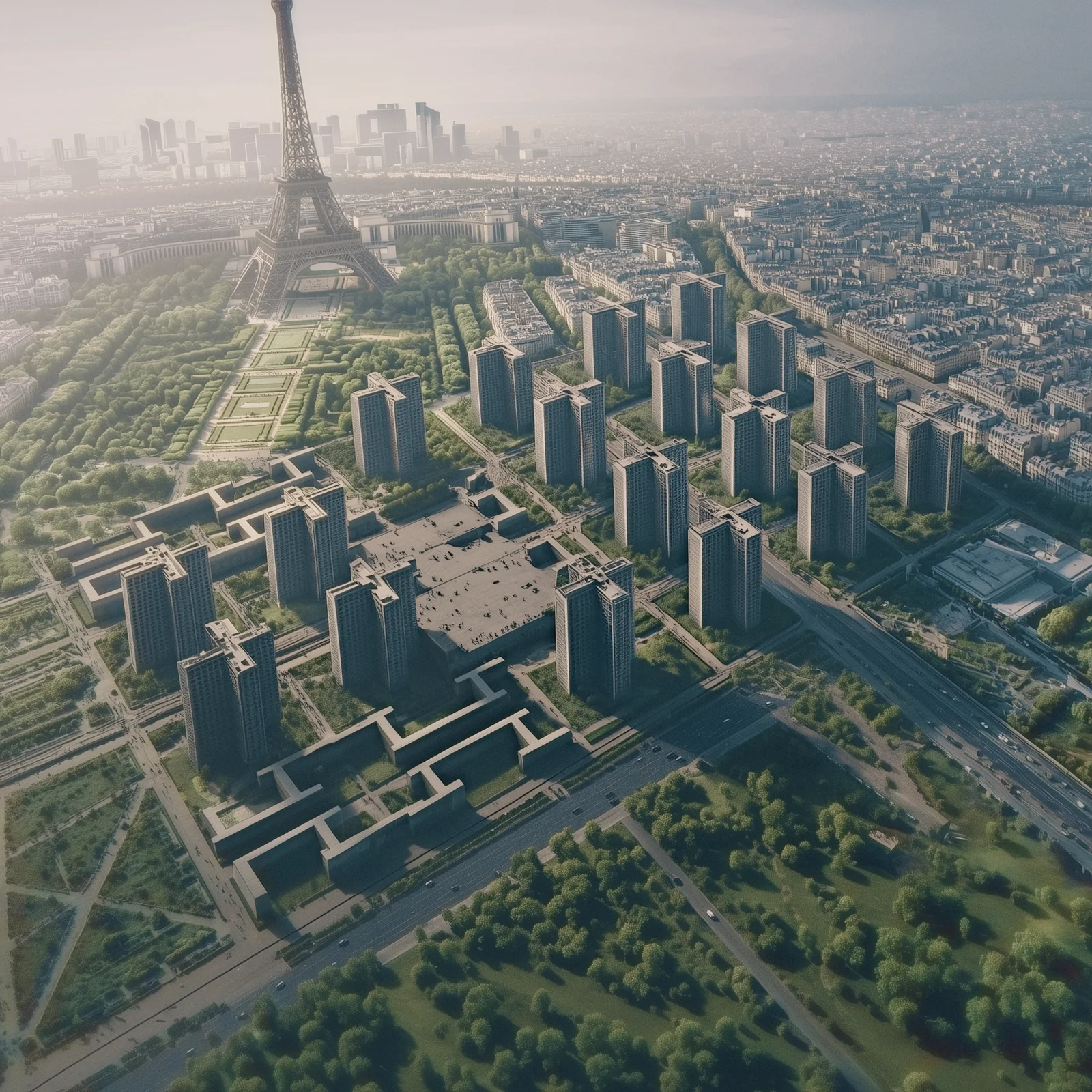
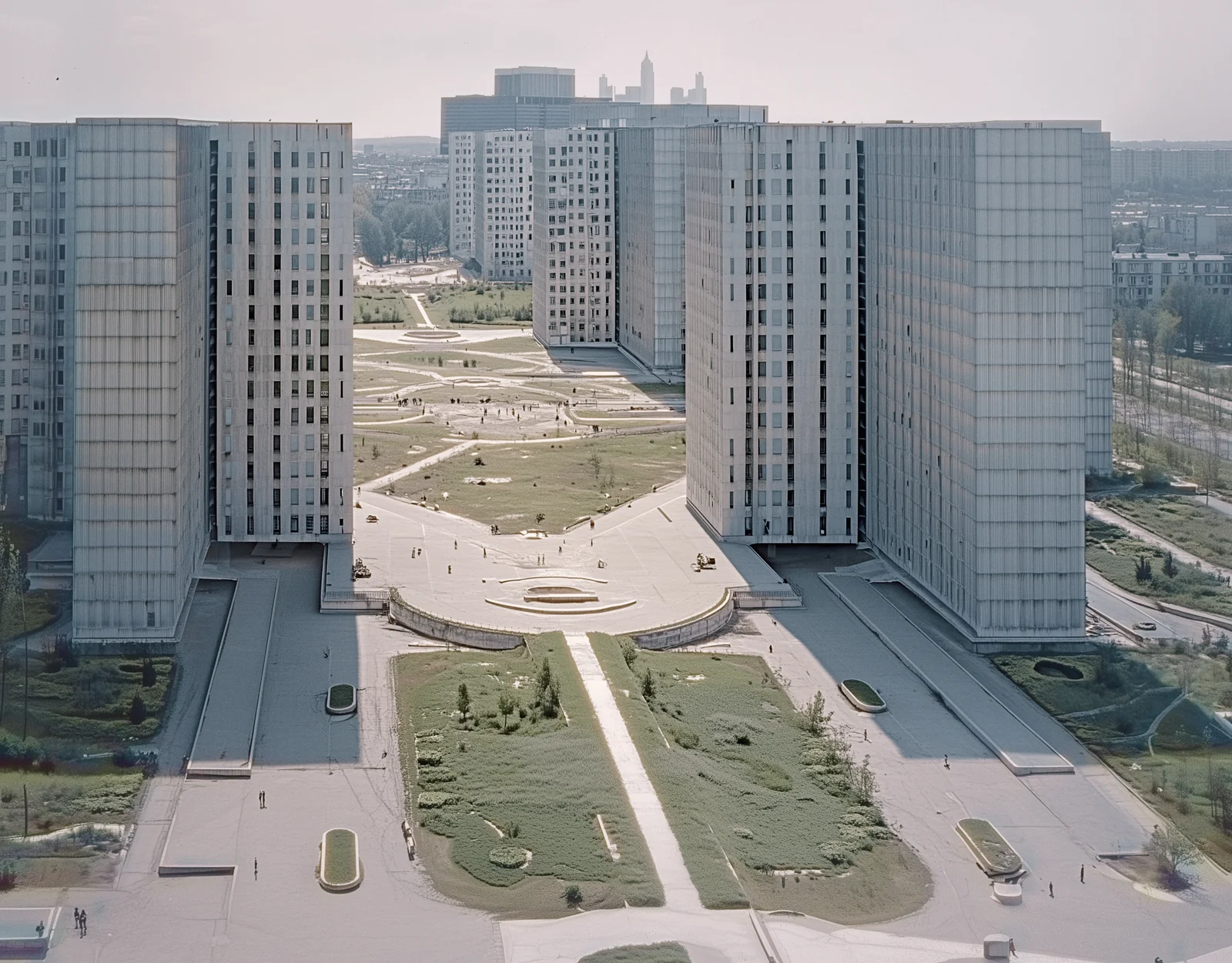
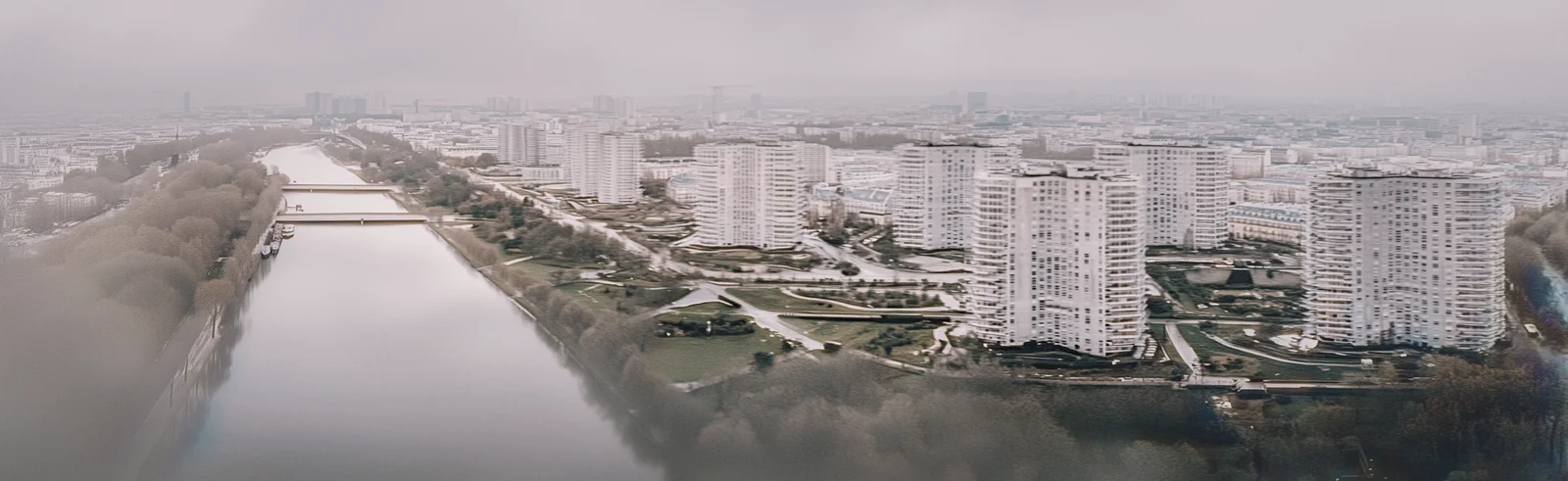
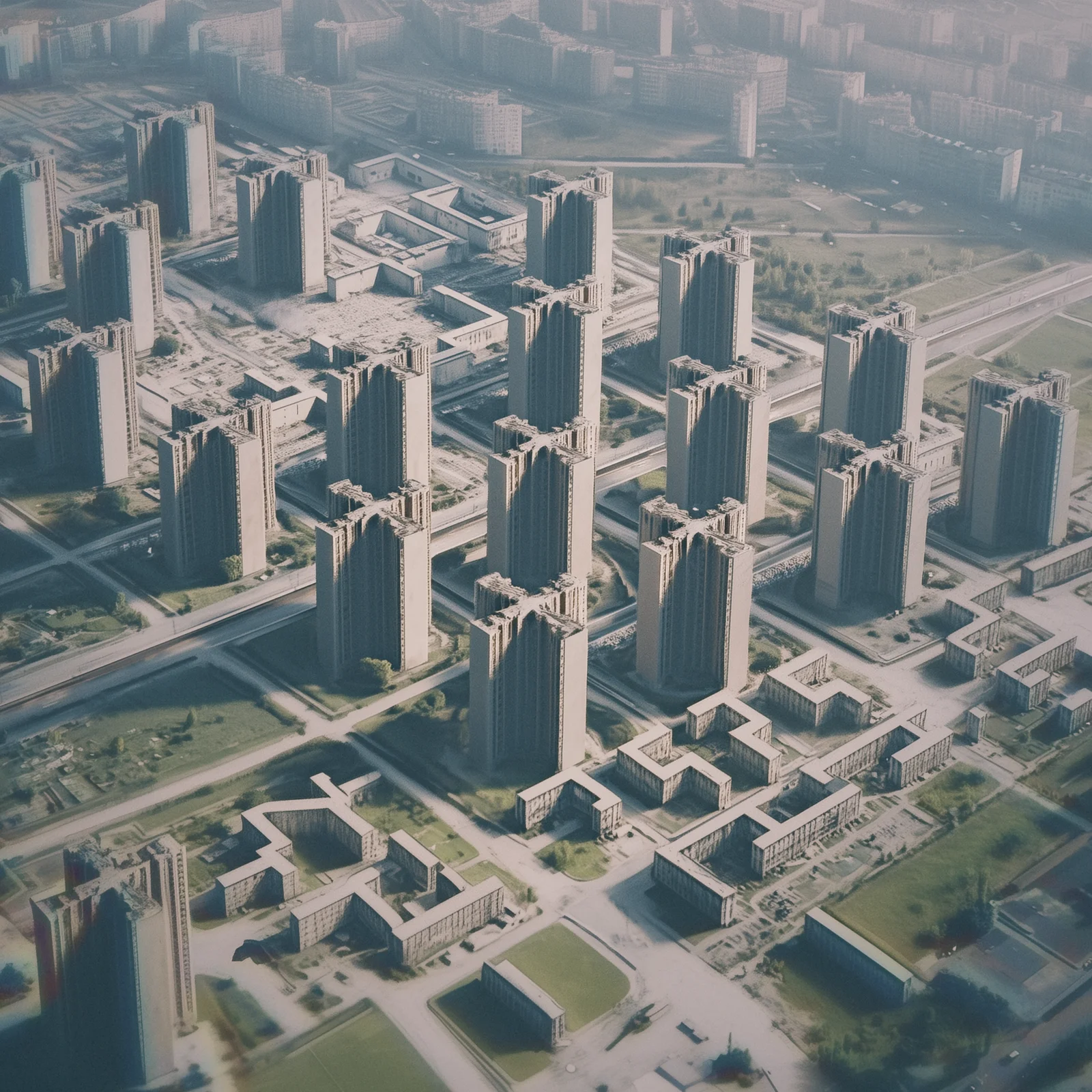
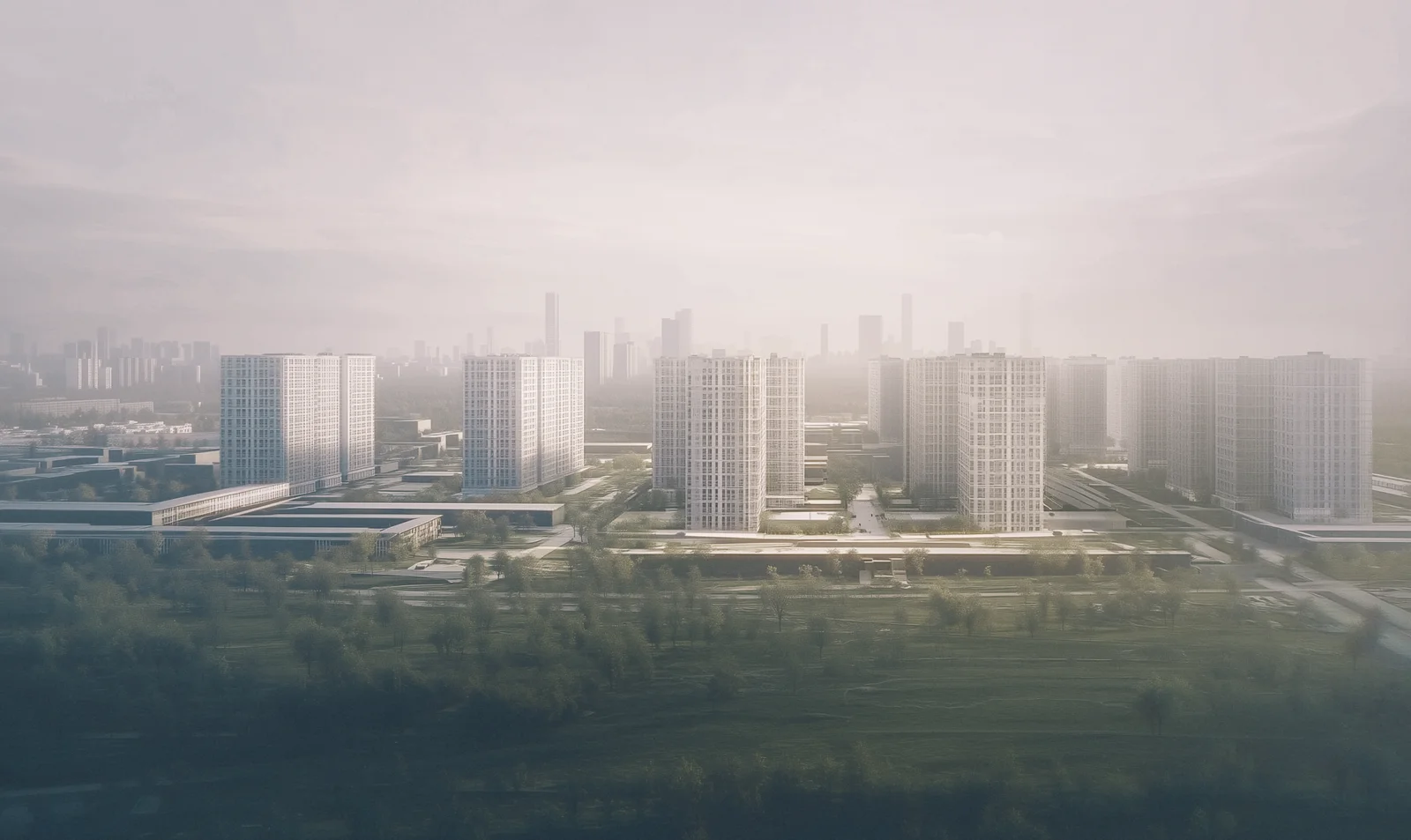
Through my photographic reconstruction project, I have recreated what Paris would look like today if this utopia had come to life. These images offer a reflection on the impact of utopias on our cultural heritage and our relationship with the city.
Utopia in Architecture: A Guide for the Future
Although architectural utopias are often unachievable, they remain an essential guide for thinking about the future. They raise crucial questions:
- How can innovation be reconciled with respect for heritage?
- What role should nature play in our cities?
- Can we build truly inclusive spaces?
Architectural photography plays a key role in this reflection, capturing both dreams and realities.