
Utopies Perdues
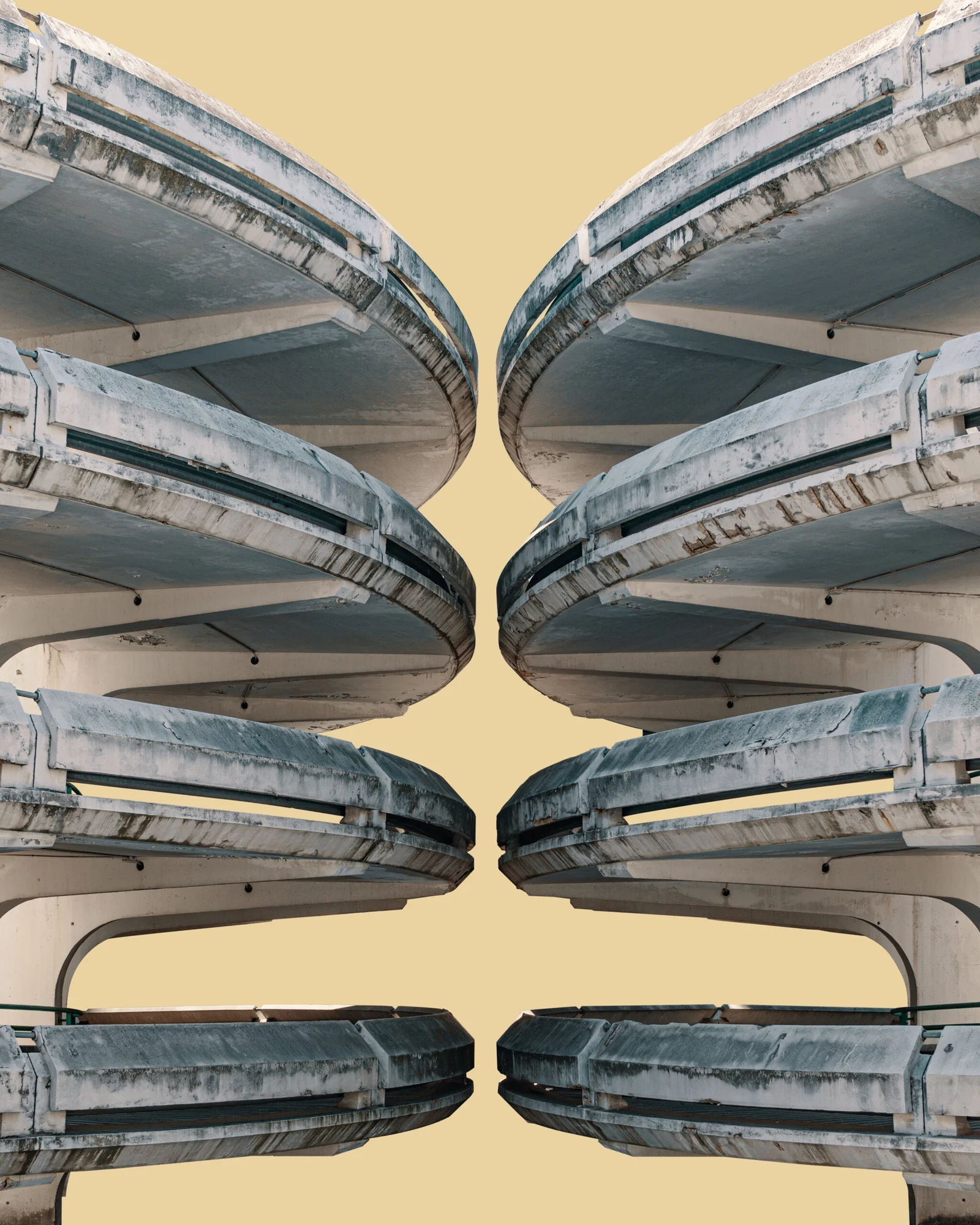
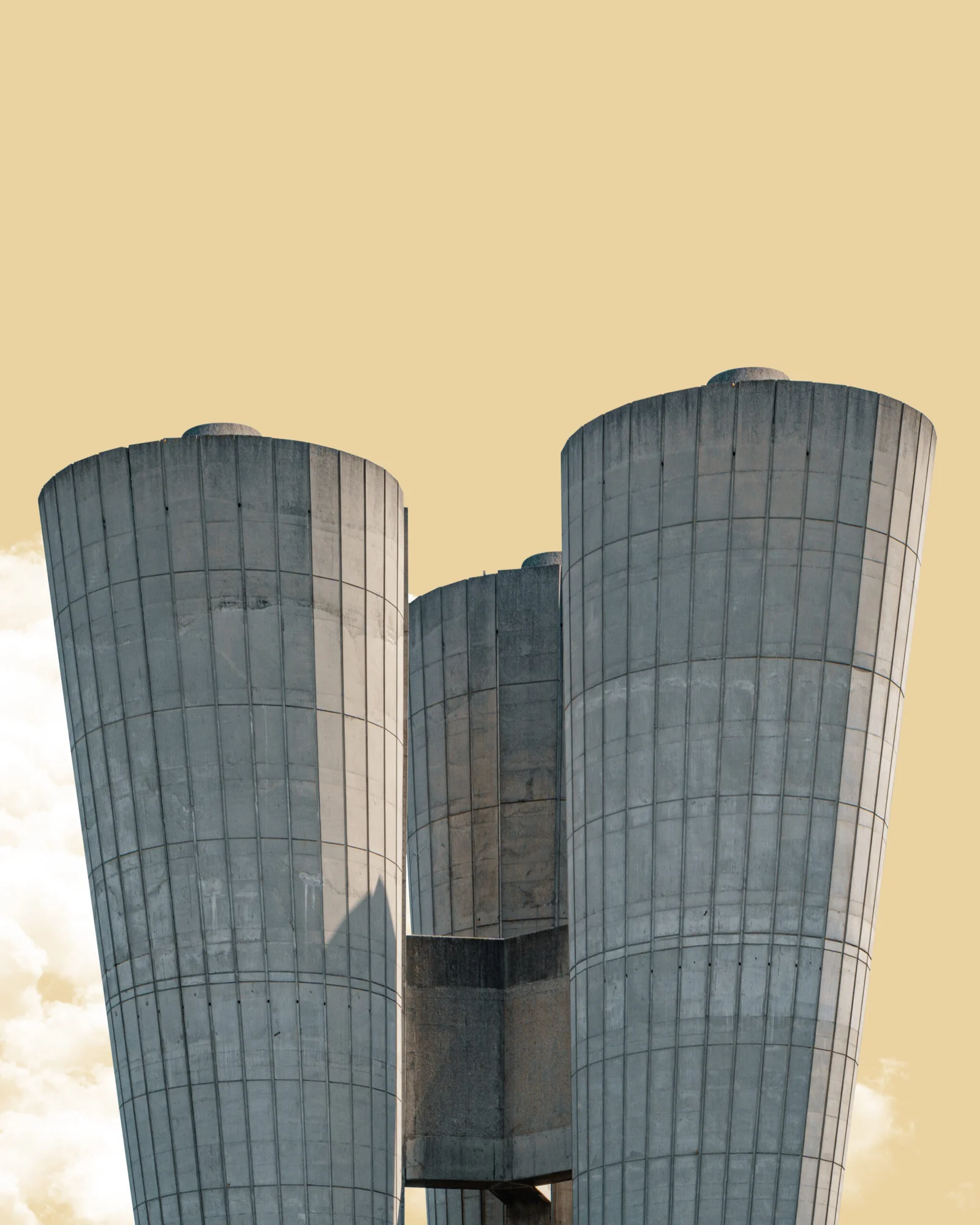
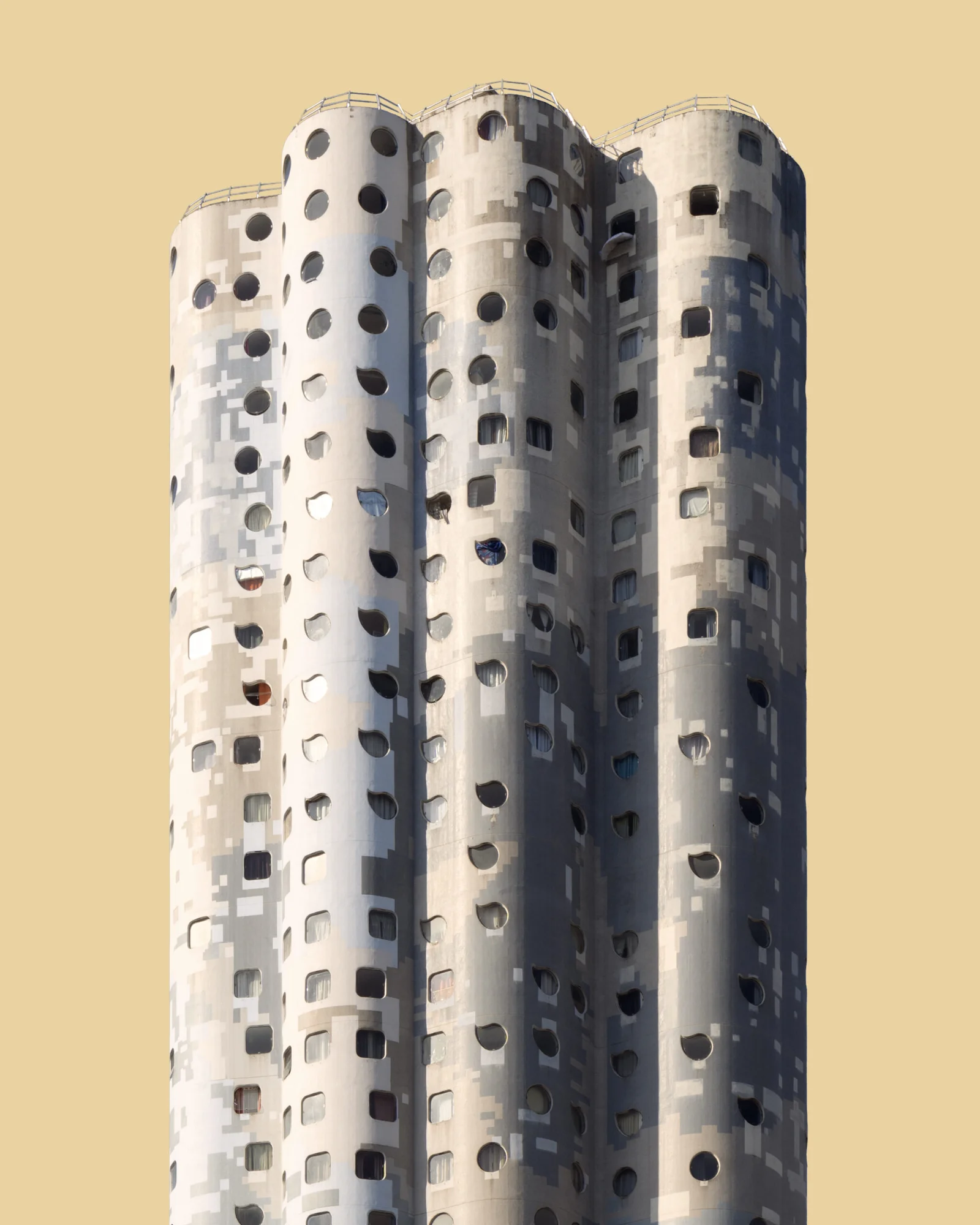
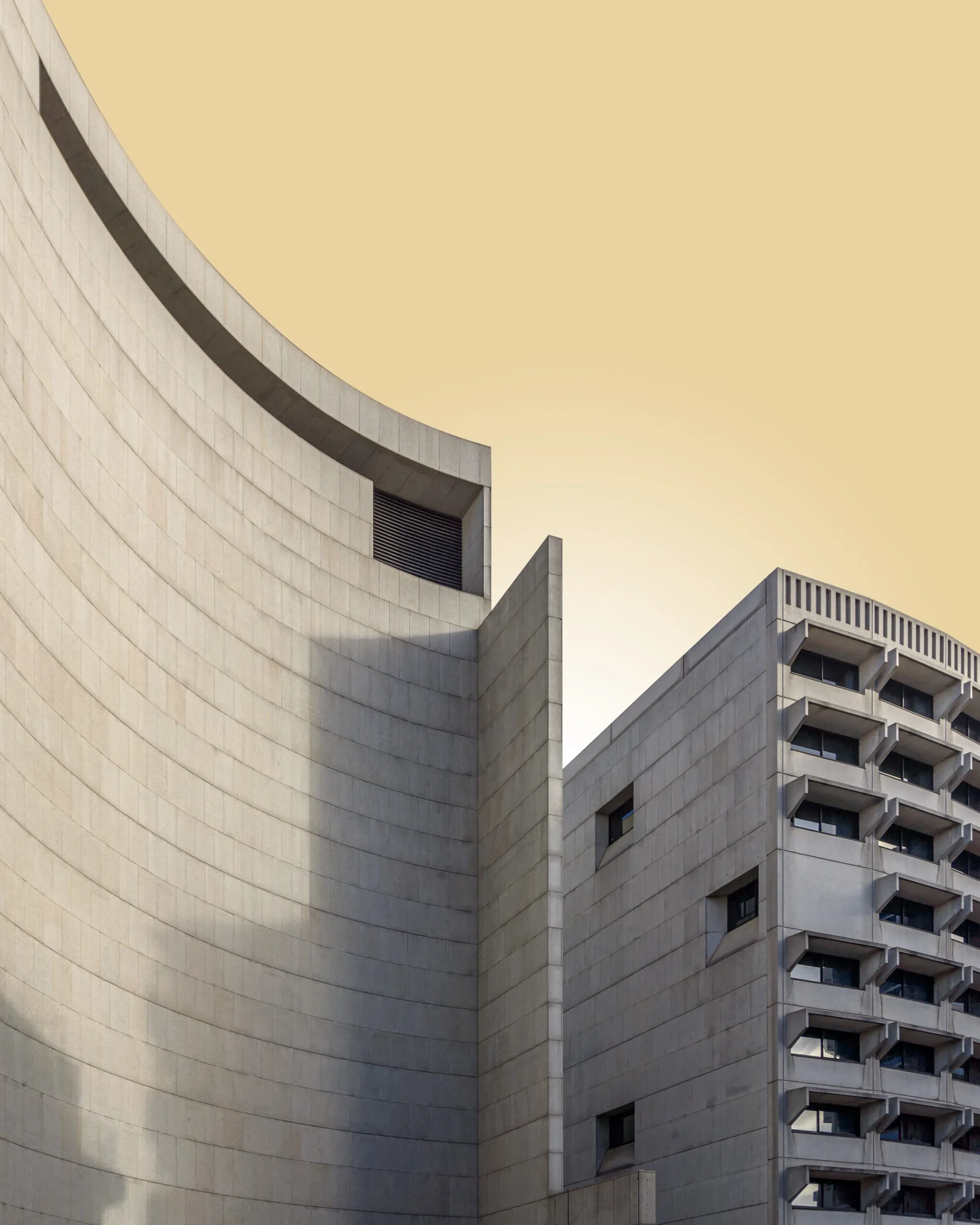
Lost Utopias is an artistic photography series revealing the hidden beauty of brutalist concrete housing estates in the Paris region and France.
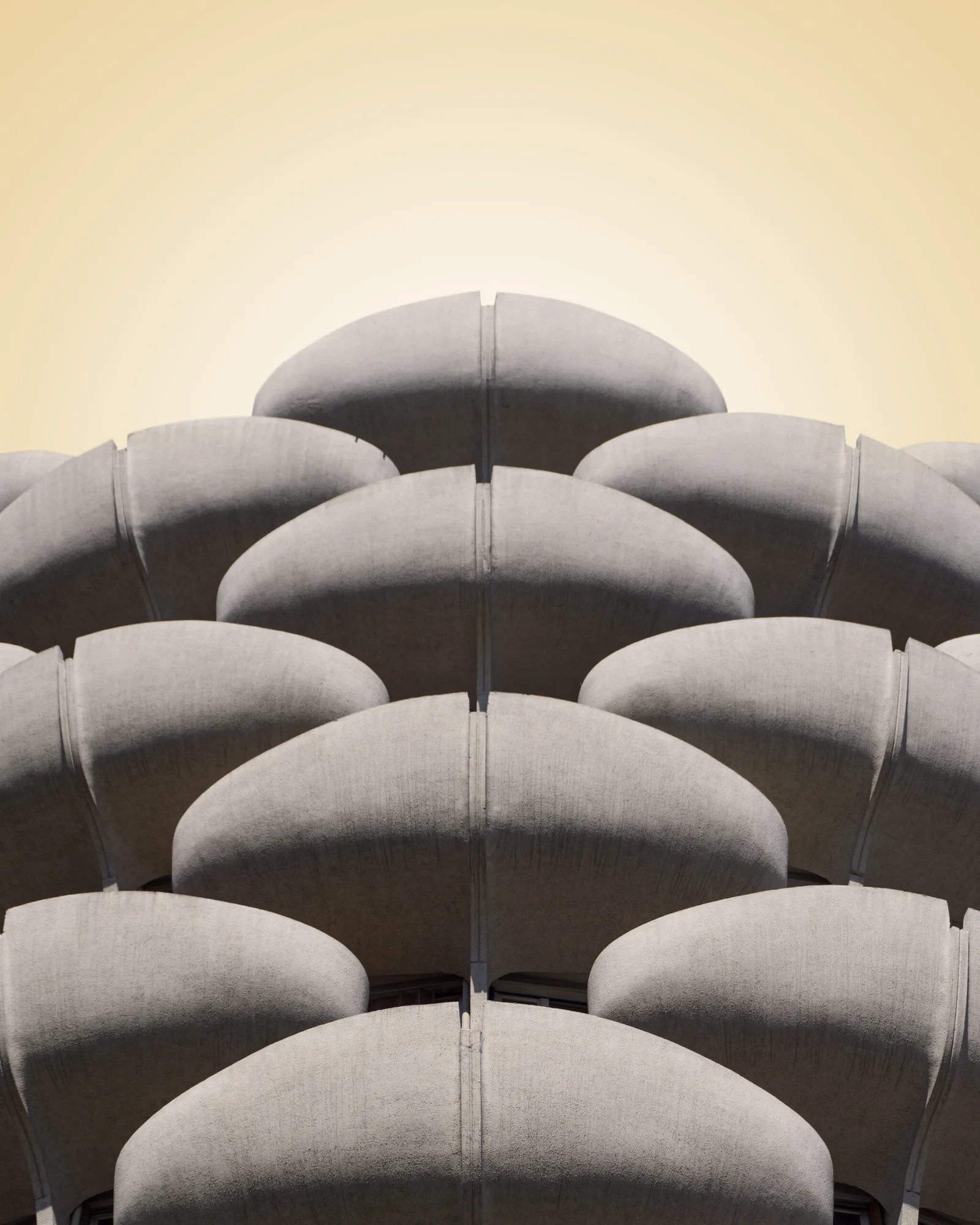
The “Lost Utopias” series focuses on artistic photography of brutalism, mainly through the large concrete housing estates built in the Paris region. These brutalist structures, often viewed negatively today, were once seen as the pinnacle of architectural innovation. Through this series, I aim to reveal the hidden beauty of brutalism, capturing the power and originality of these buildings. Although they might be compared to Soviet brutalism or neo-brutalism, this series centers on brutalist buildings typical of the Parisian region and France, while presenting a unique and artistic vision.
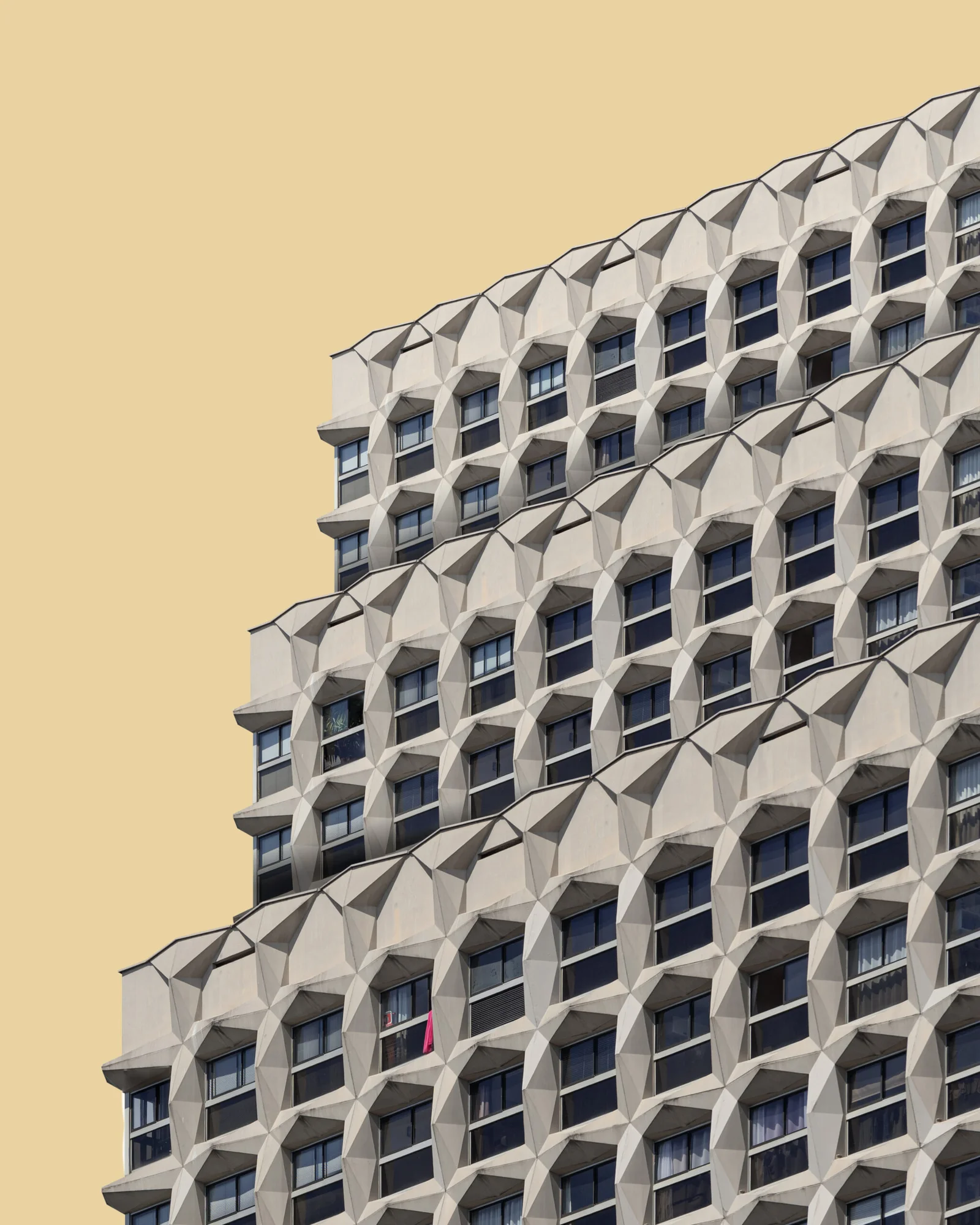
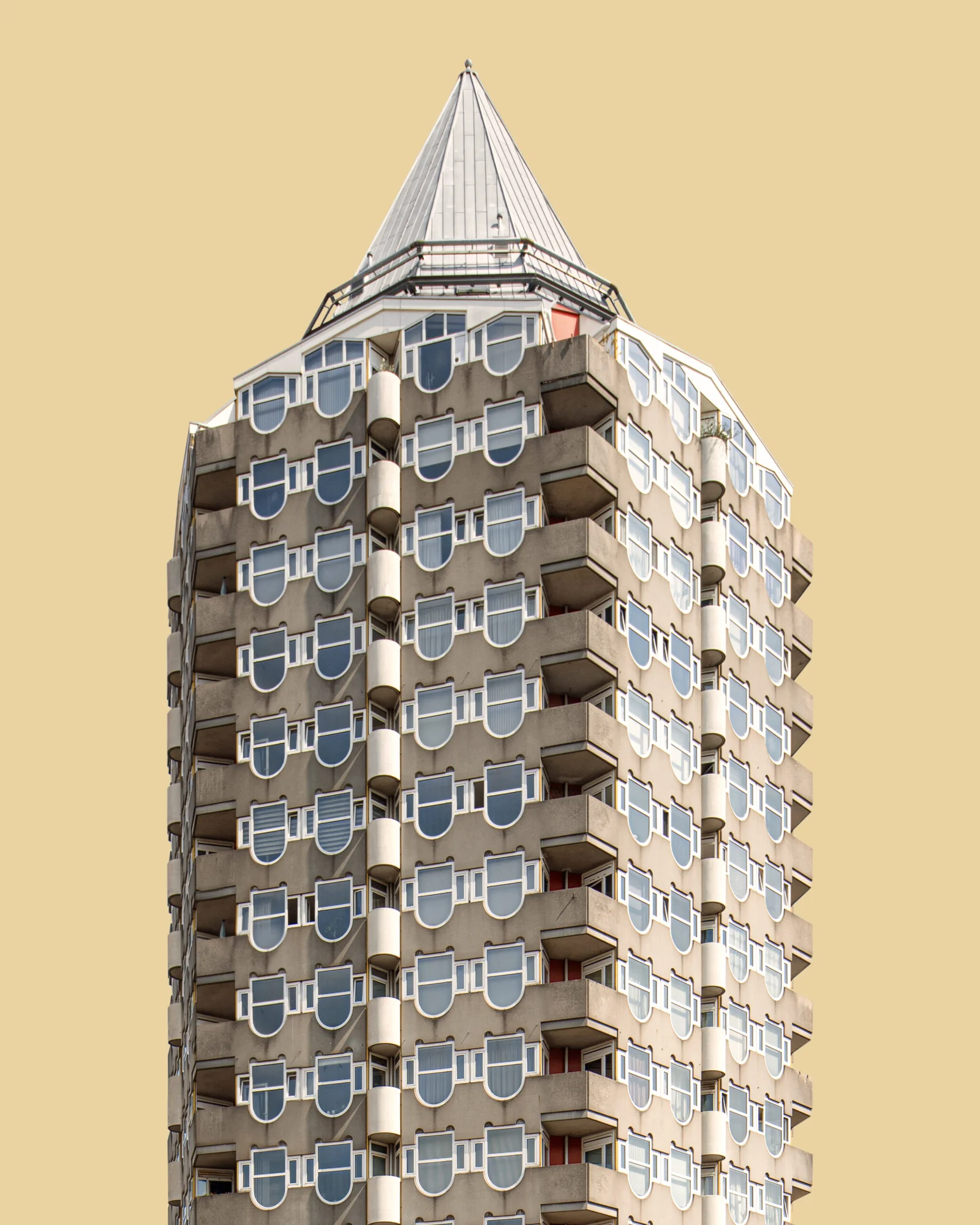
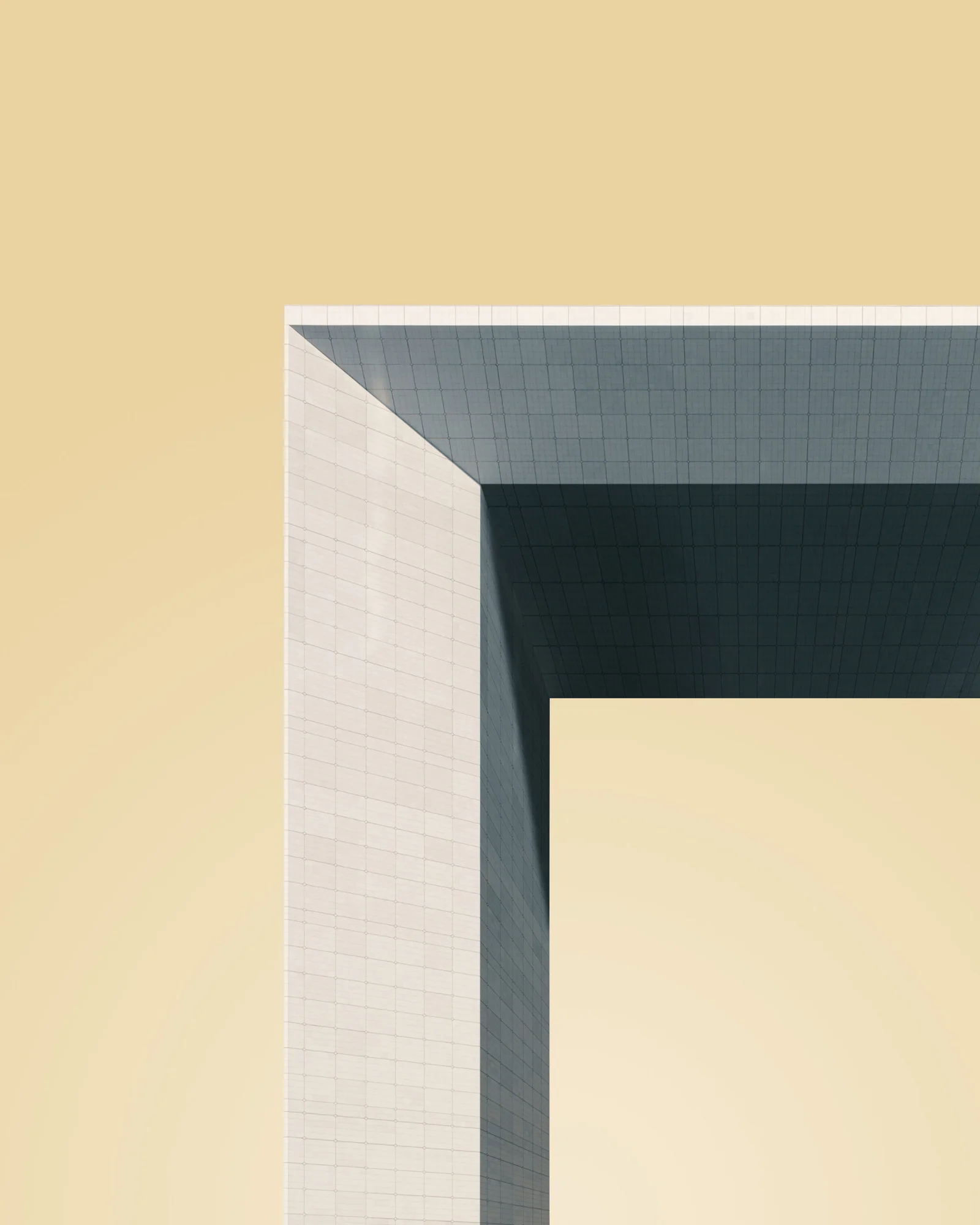

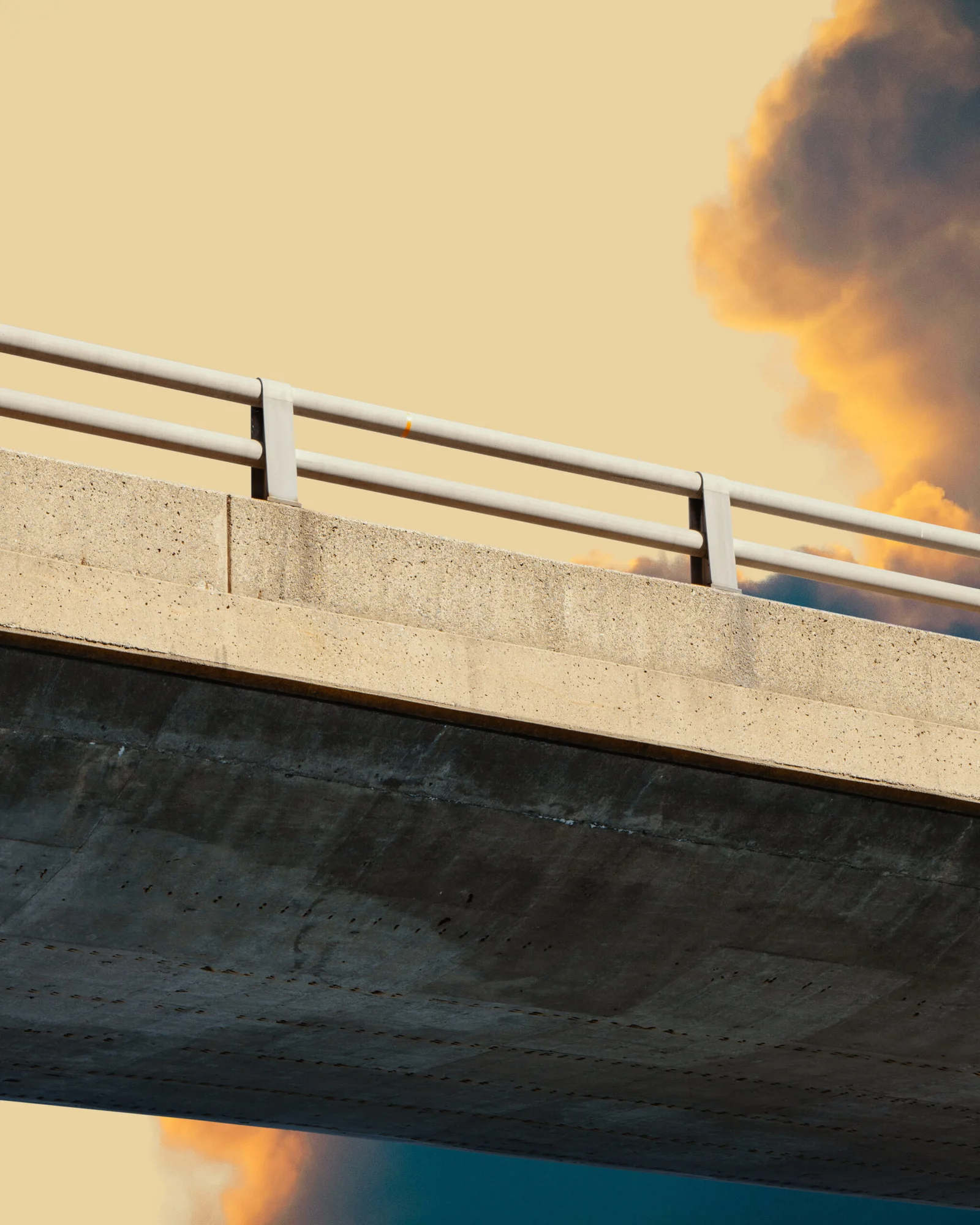
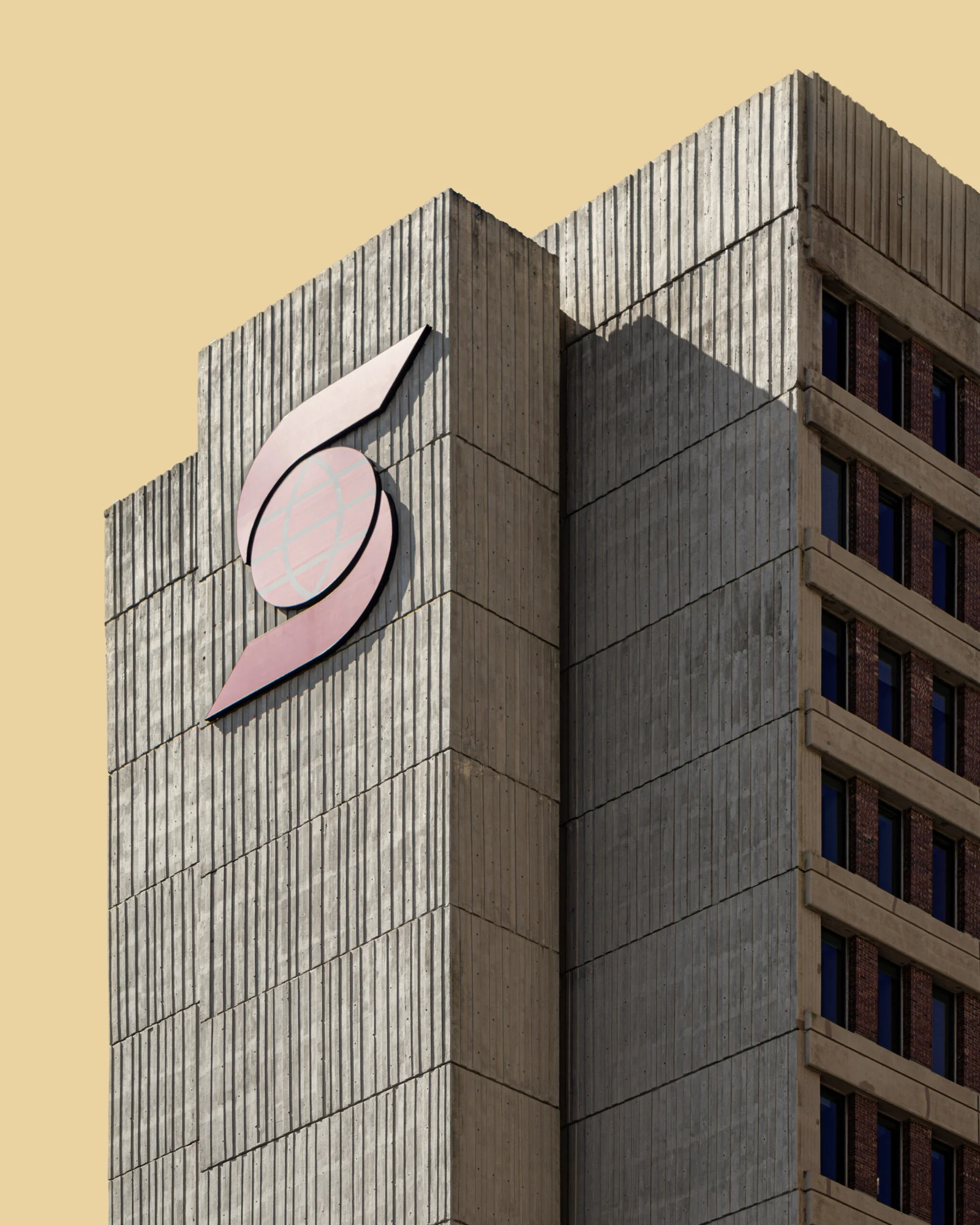
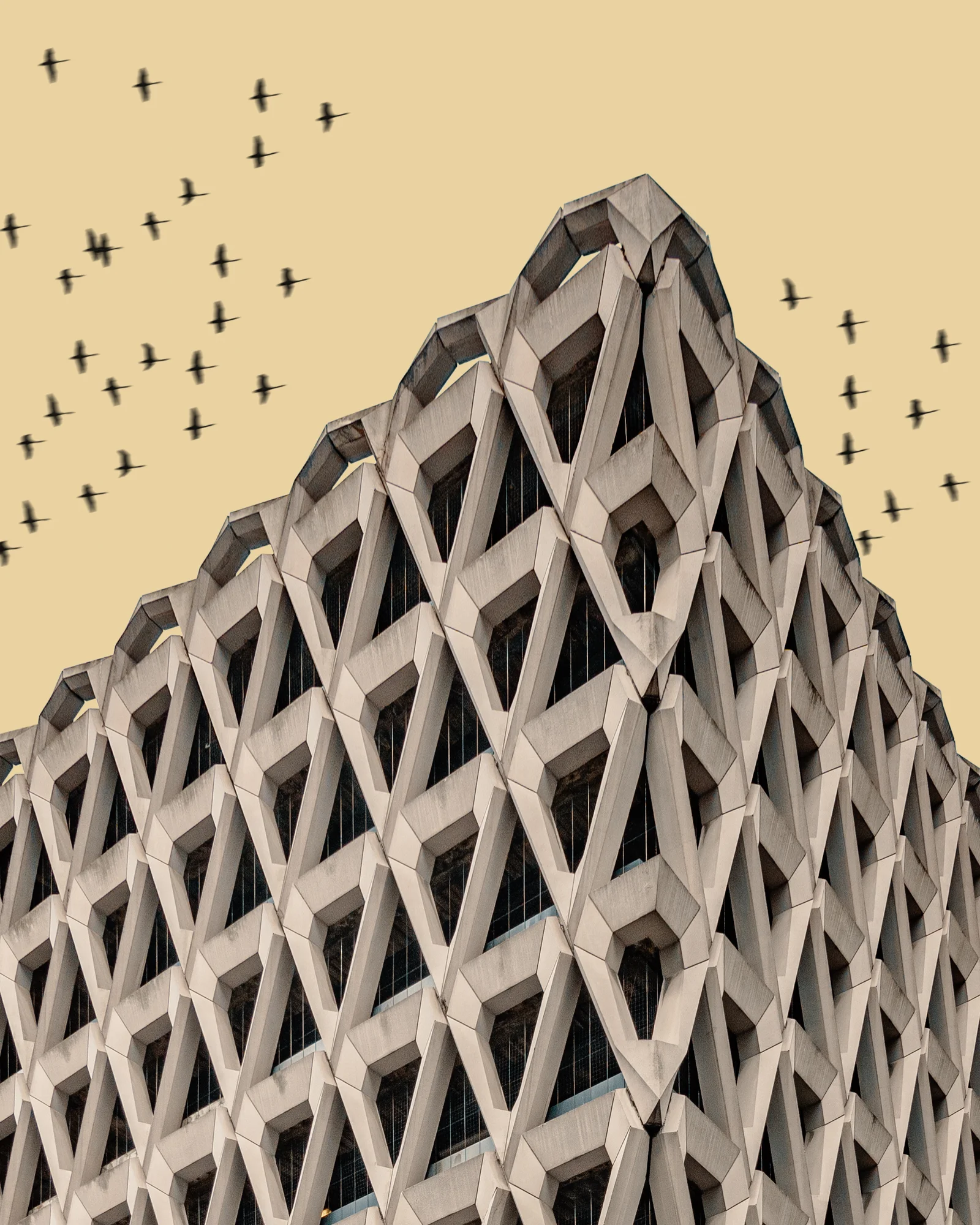

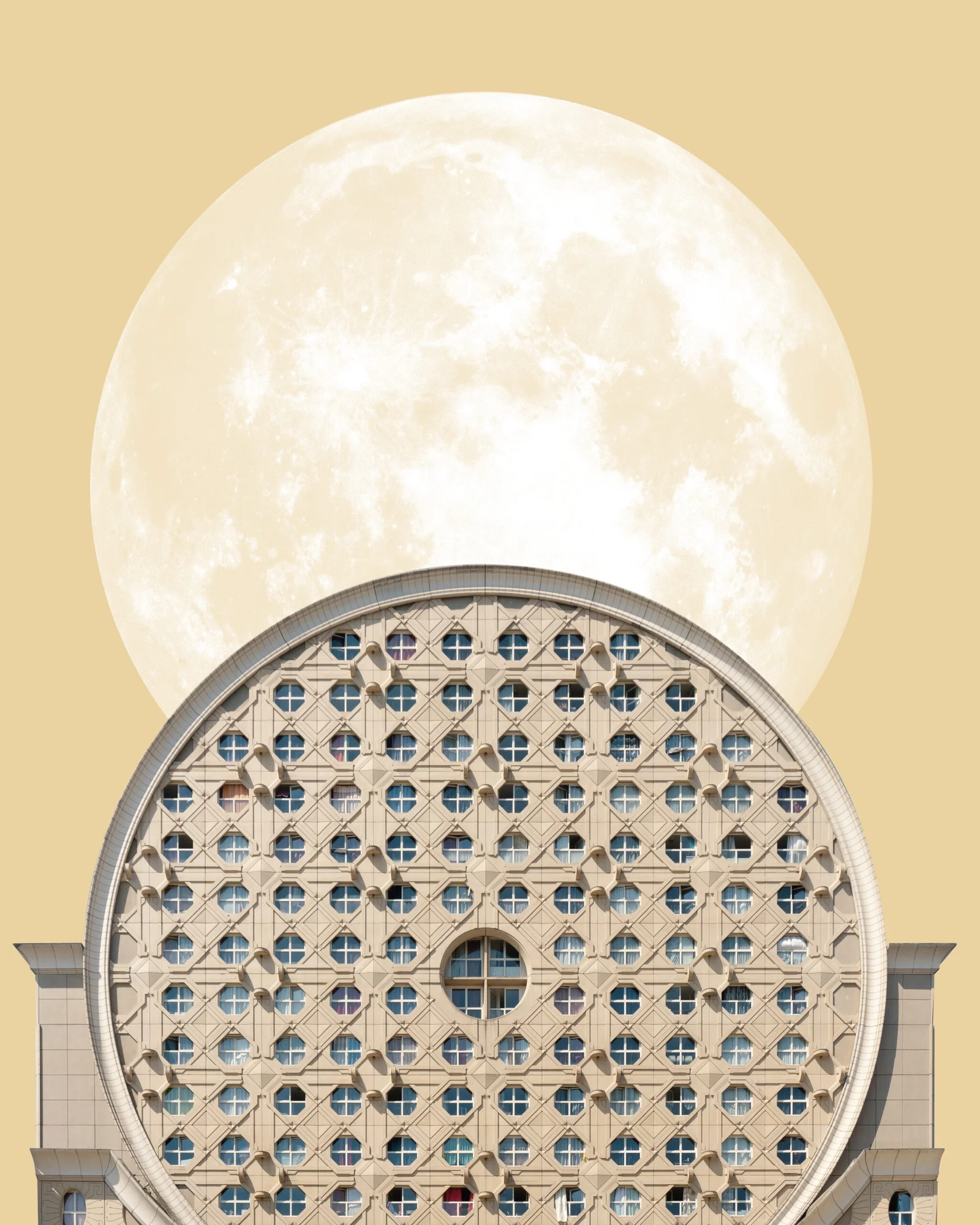

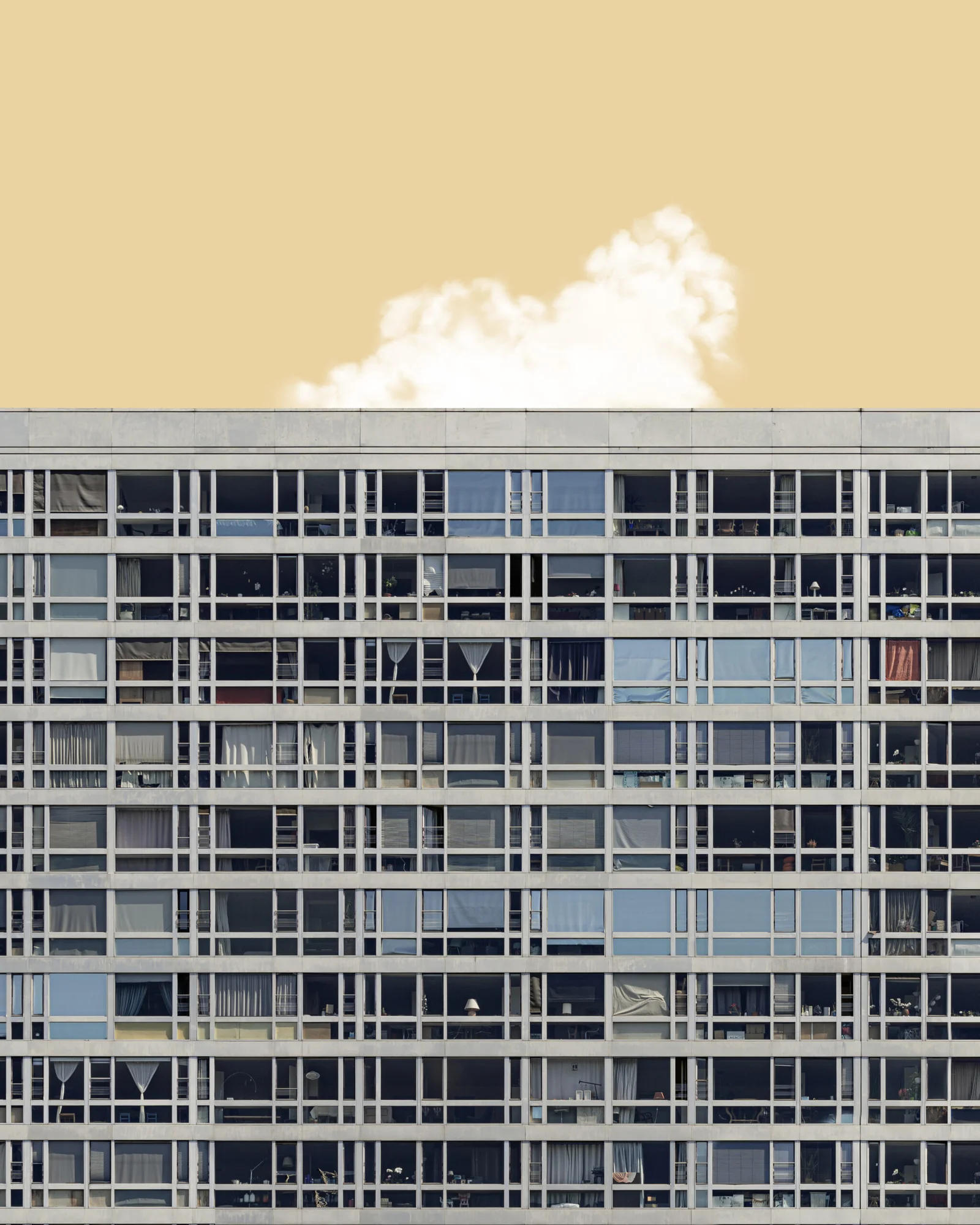
Habitat 67. Montreal, Canada by Moshe Safdie – Photograph by Pierre CHATEL-INNOCENTI
Series Description
“Lost Utopias” is a series of brutalist architectural portraits, focusing on the massive concrete buildings of past decades. This series transforms these often austere structures into visual art pieces, highlighting their architectural details and emphasizing their unique textures. Unlike neo-brutalism, which reinterprets brutalist codes from a modern perspective, or Soviet brutalism, known for its massive and uniform buildings, the structures in “Lost Utopias” are rooted in a Parisian and French context, reflecting a style that combines both monumentality and originality.
The buildings photographed in this series belong to a brutalist architecture typical of Paris and France, whose uniqueness lies in their geometric shapes and their relationship with the urban environment. This series celebrates the raw strength of concrete and its aesthetic power, often overlooked in more standardized modern constructions.
Creative Process
My photographic approach highlights the unique characteristics of brutalist architecture in the Paris region, capturing the raw textures of concrete and the imposing geometric shapes. Each image is an attempt to reveal the hidden beauty of these imposing structures, which are often underappreciated. Unlike Soviet brutalism, known for its monumental and repetitive structures, or neo-brutalism, more refined and modern, the buildings in this series are a testament to original brutalism, with rich details and a historical dimension specific to France.
The large housing estates captured in the “Lost Utopias” series are characterized by their grandeur, but also by a subtlety in textures and shapes that artistic photography helps to magnify. Natural light and the angle of the shot play a crucial role in the visual transformation of these buildings, giving them an almost sculptural dimension.
Artistic Goals
Through “Lost Utopias”, my goal is to rehabilitate the image of brutalism in France and Paris by capturing the hidden beauty and the emotional power of concrete buildings. While this series is distinct from neo-brutalism and Soviet brutalism, it shares with them the goal of revealing the monumentality of raw architectural structures. These Parisian buildings, however, offer a unique setting, specific to French brutalist architecture.
This series allows viewers and architects to rediscover these structures from an artistic angle and to reassess their impact on the urban landscape. If you want to appreciate the grandeur and originality of brutalism, this series offers a perfect demonstration of the aesthetic power of this architecture.
To place this series in context — the movement’s origins, French heritage, my Griffith Review interview — see my guide to brutalist architecture.