
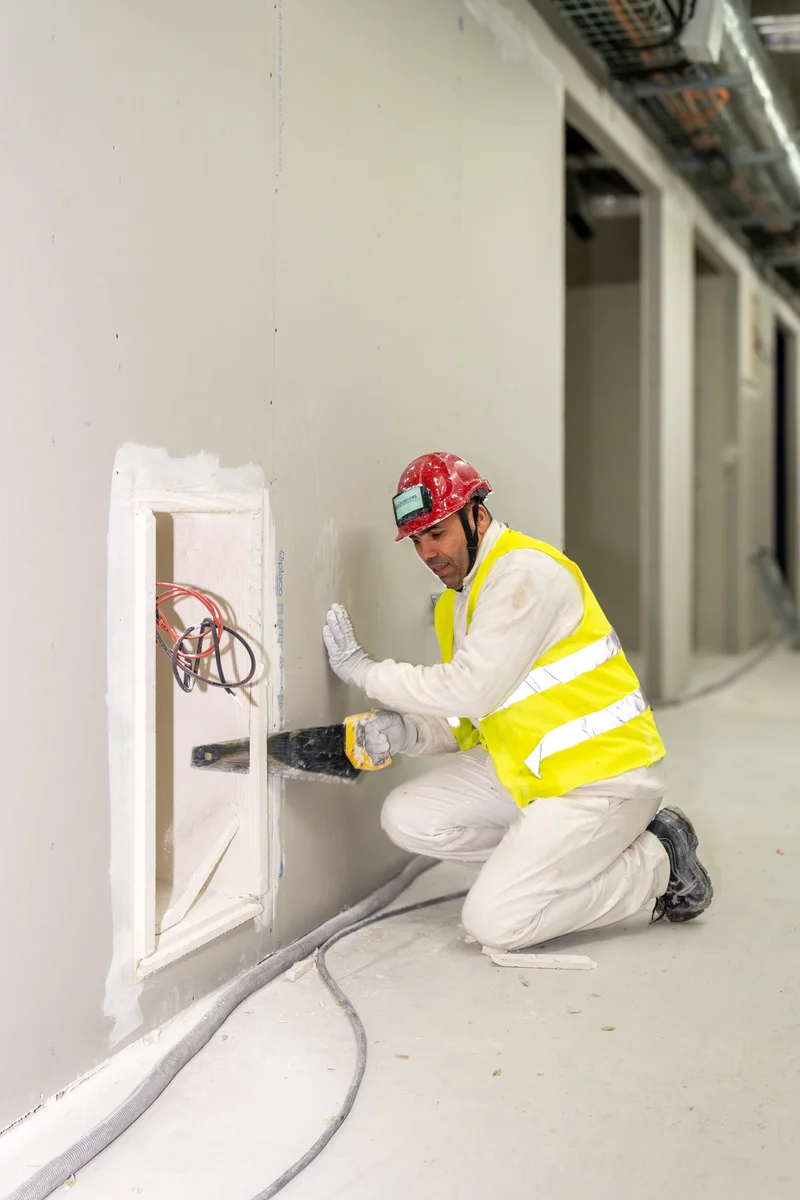
01
One-off monitoring
An intervention focused on a key stage of the construction site (a decisive phase or a specific sequence).
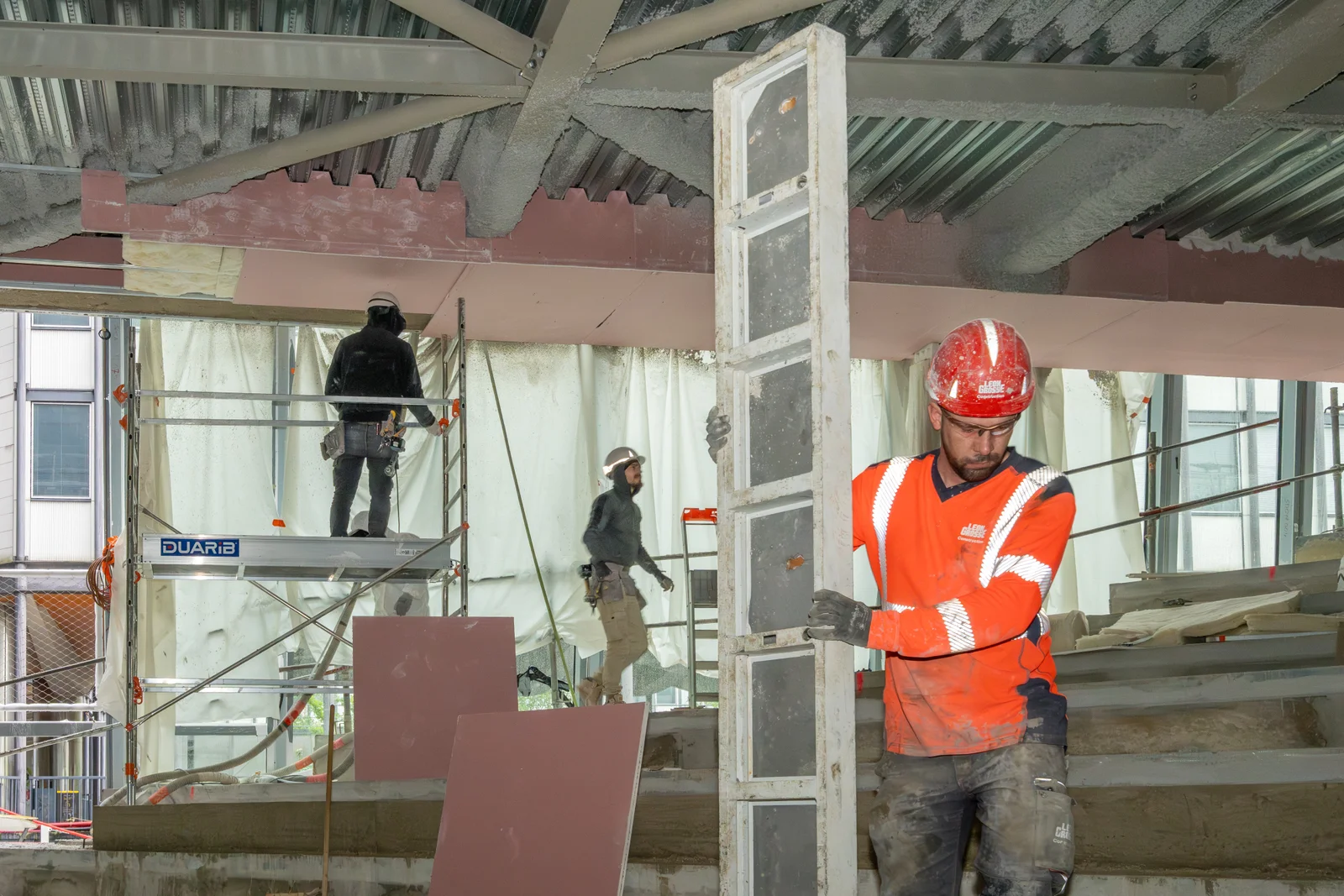
A construction site is not just a succession of images, it is a process to be documented. A Paris-based photographer, I support architects, project owners and developers with structured visual documentation, useful for project monitoring, reporting and the professional showcasing of operations.
Brought in as early as the planning phase, construction site photography becomes a tool for anticipation and coordination. It smooths communication, secures approvals and provides concrete material for steering committees, investors and institutional partners.
A construction site moves fast. Decisions follow one another, teams change, and key milestones pass within days. Structured photographic monitoring lets you keep visual control of the project, track its progress objectively and showcase your expertise to your partners, investors or internal teams. Beyond the archive, it is a management and communication tool: precise, coherent and usable images that turn the construction site into a strategic asset for your organisation.
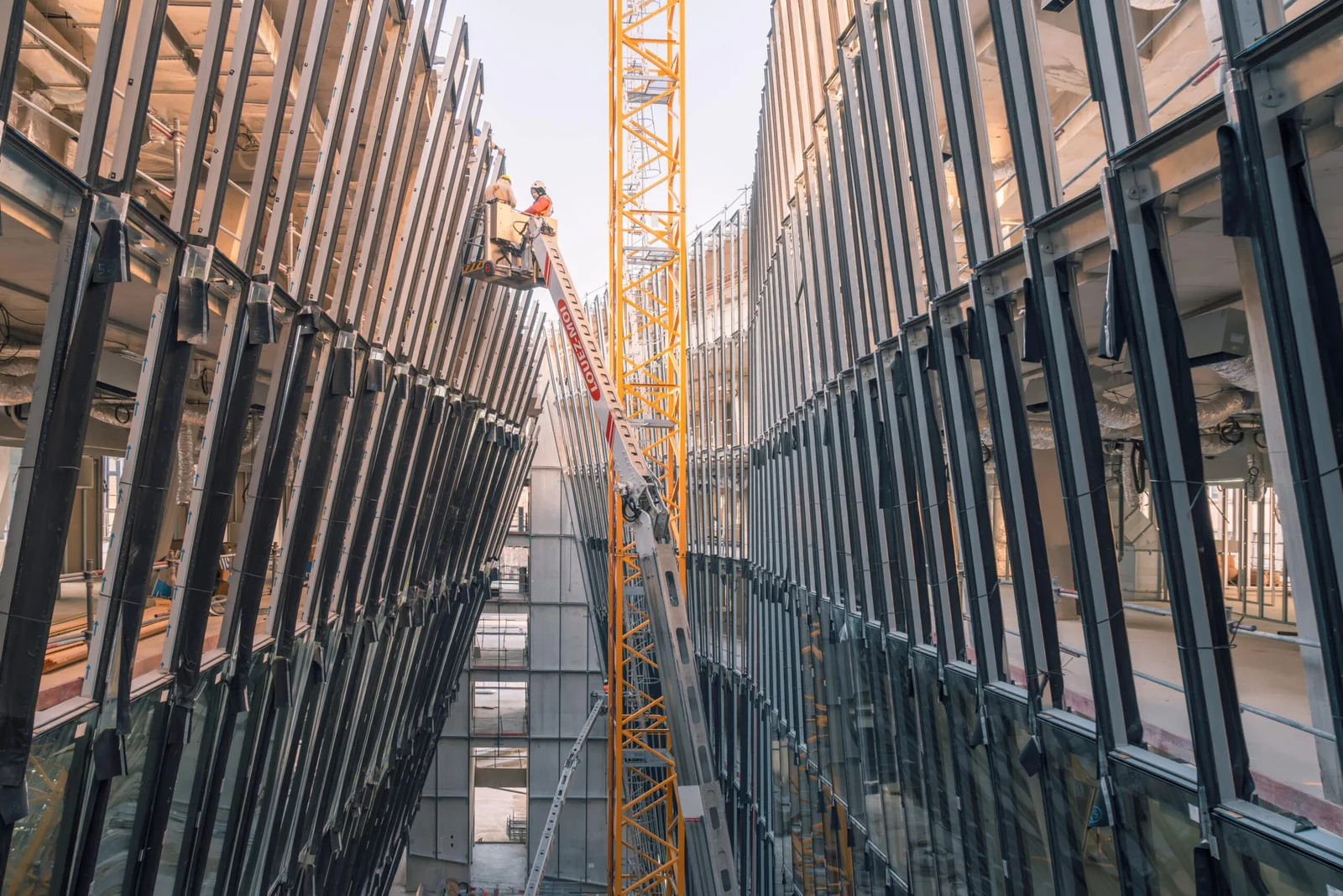
My training as an engineer and my experience as an architectural photographer allow me to understand the phases of a construction site and their technical challenges, while retaining a photographer's eye. The aim is not to produce isolated images, but a coherent body of work across the stages, legible and usable in the long term.
Career, exhibitions and publications →
Structured photographic documentation becomes a management lever: it evidences progress, secures traceability, feeds exchanges between stakeholders and forms an archive useful to the memory of the project.
Monitoring can be organised around defined milestones or as regular visits, depending on your objectives.
Well thought-out construction site photographic documentation becomes a genuine professional lever.
It allows you to illustrate progress reports, communicate with partners, feed institutional materials and build a precise visual record of the operation.
Depending on the nature of the project, monitoring can be organised around specific milestones or through regular visits. The aim is to produce a coherent, structured body of images that is immediately usable in a professional context.
Depending on the nature and duration of your operation, several formats are possible.
Each assignment is the subject of a proposal tailored to your schedule, your constraints and your distribution objectives. Monitoring can be built into the overall construction schedule from the outset, to ensure consistent visual continuity through to delivery.
Collaborations set up over time make it possible to optimise travel costs, ensure rigorous visual coherence and build a documentary resource usable beyond the construction site itself (tenders, reference files, publications). (see the "Regular monitoring" offer below).
An intervention focused on a key stage of the construction site (a decisive phase or a specific sequence).
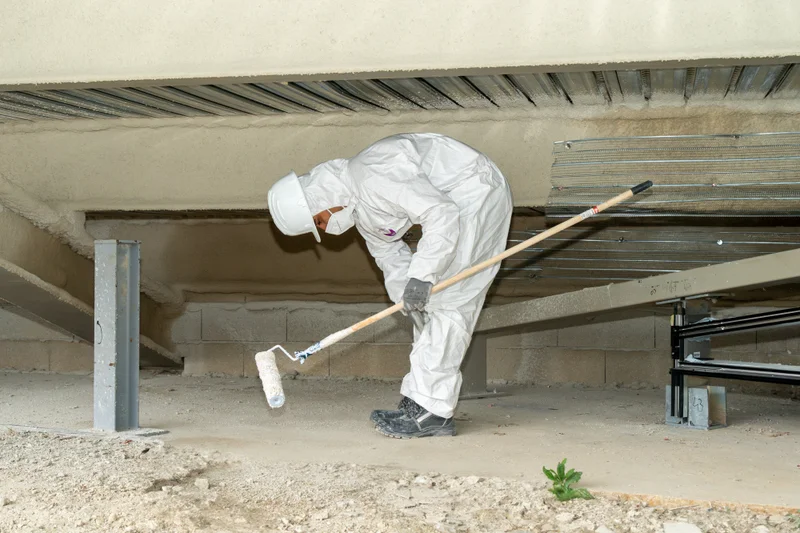
Structured documentation of the major phases (e.g. foundations / structural elevation / weathertight enclosure / finishing) to maintain a chronological read.

Monthly or quarterly visits, with consistent viewpoints, ideal for building a complete and usable archive.
Visits are organised in coordination with site management, in compliance with safety constraints, access protocols and scheduling requirements.
Particular attention is paid to the consistency of viewpoints from one visit to the next, to guarantee a clear chronological read.
Usage rights are clearly defined according to duration, media and the parties involved. Multi-party licences can be put in place when several entities make use of the images (architect, developer, project owner…).
Clear structuring of usage rights avoids later ambiguity and secures multi-party use of the images.
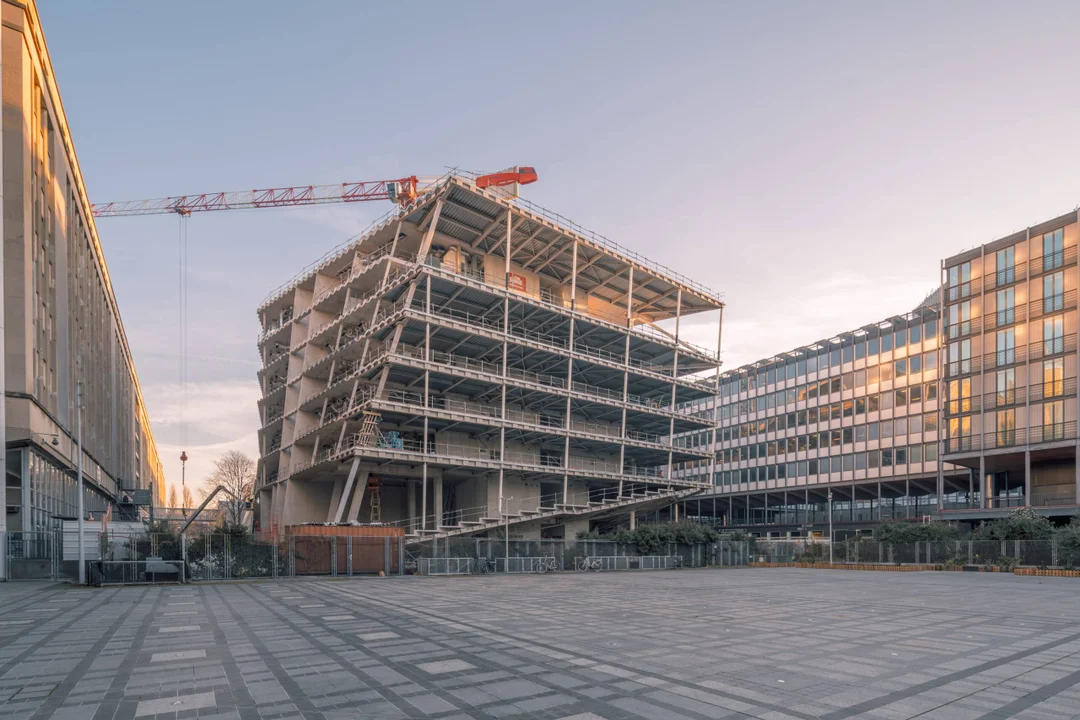
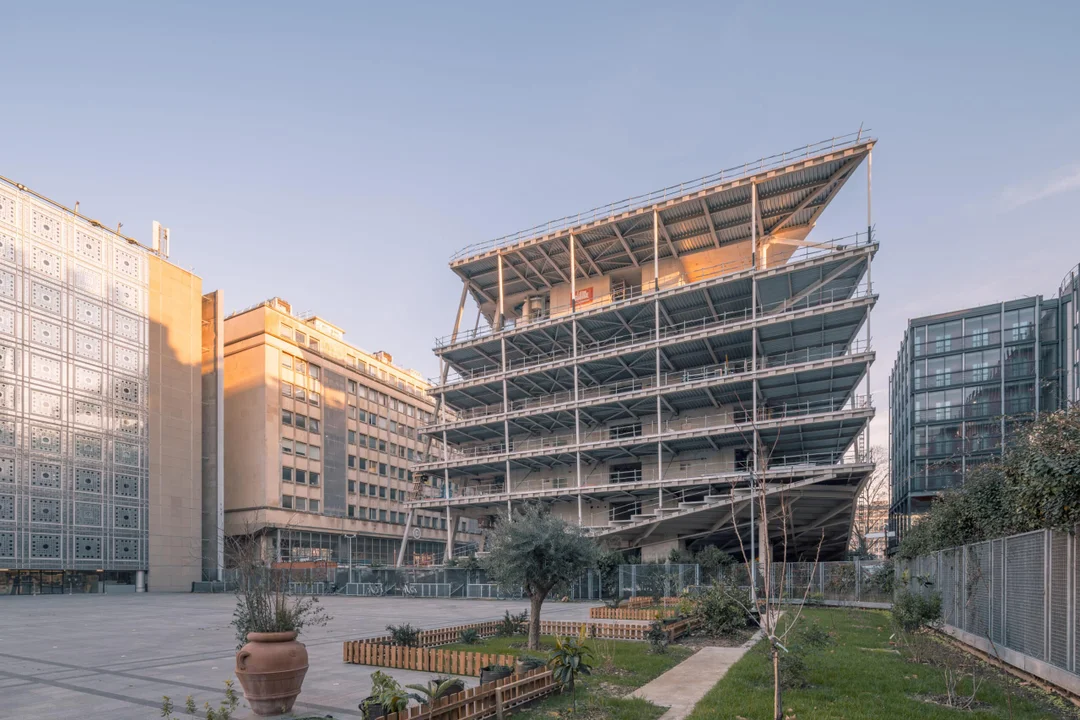
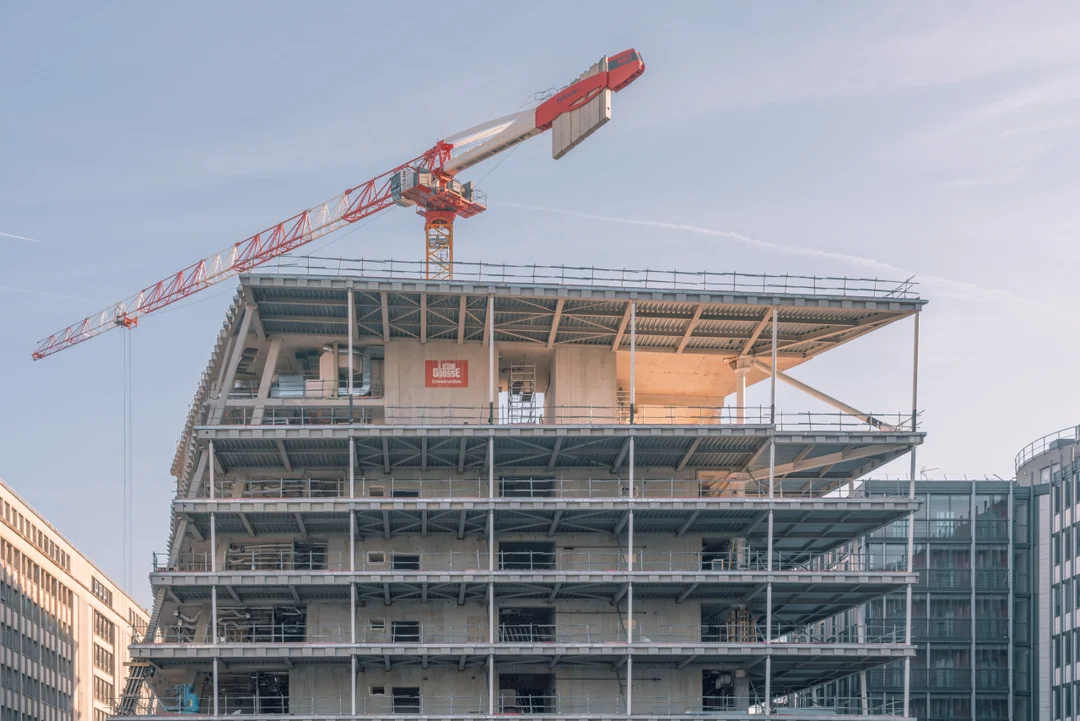
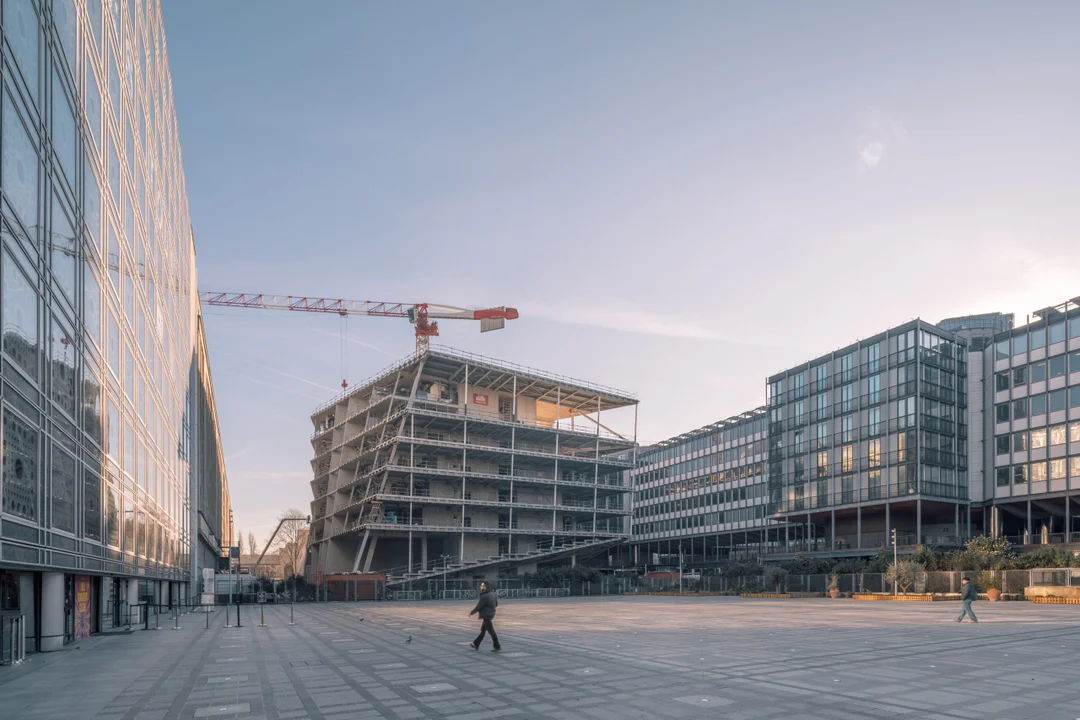
A landmark construction site by BIG Architects and OXO
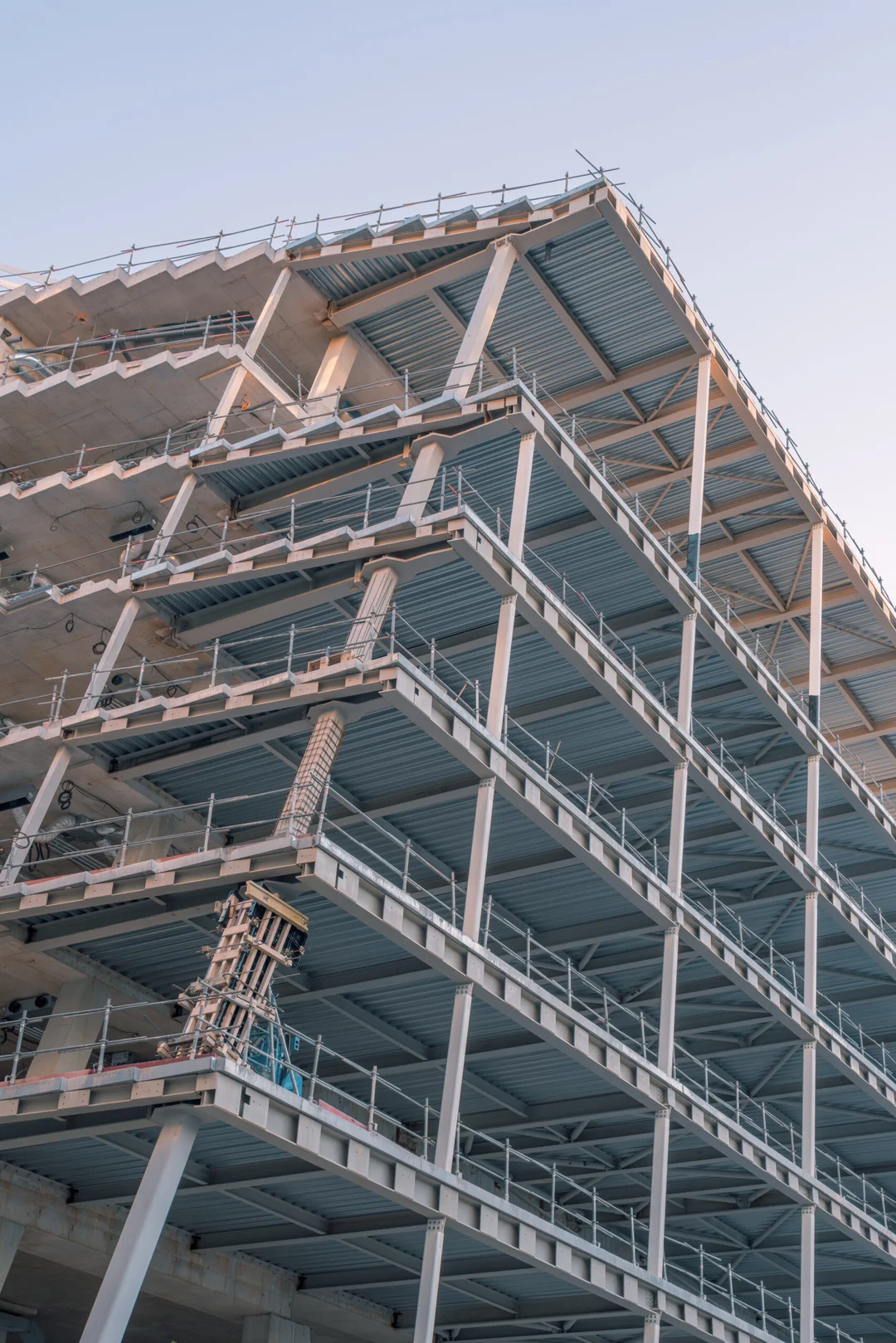
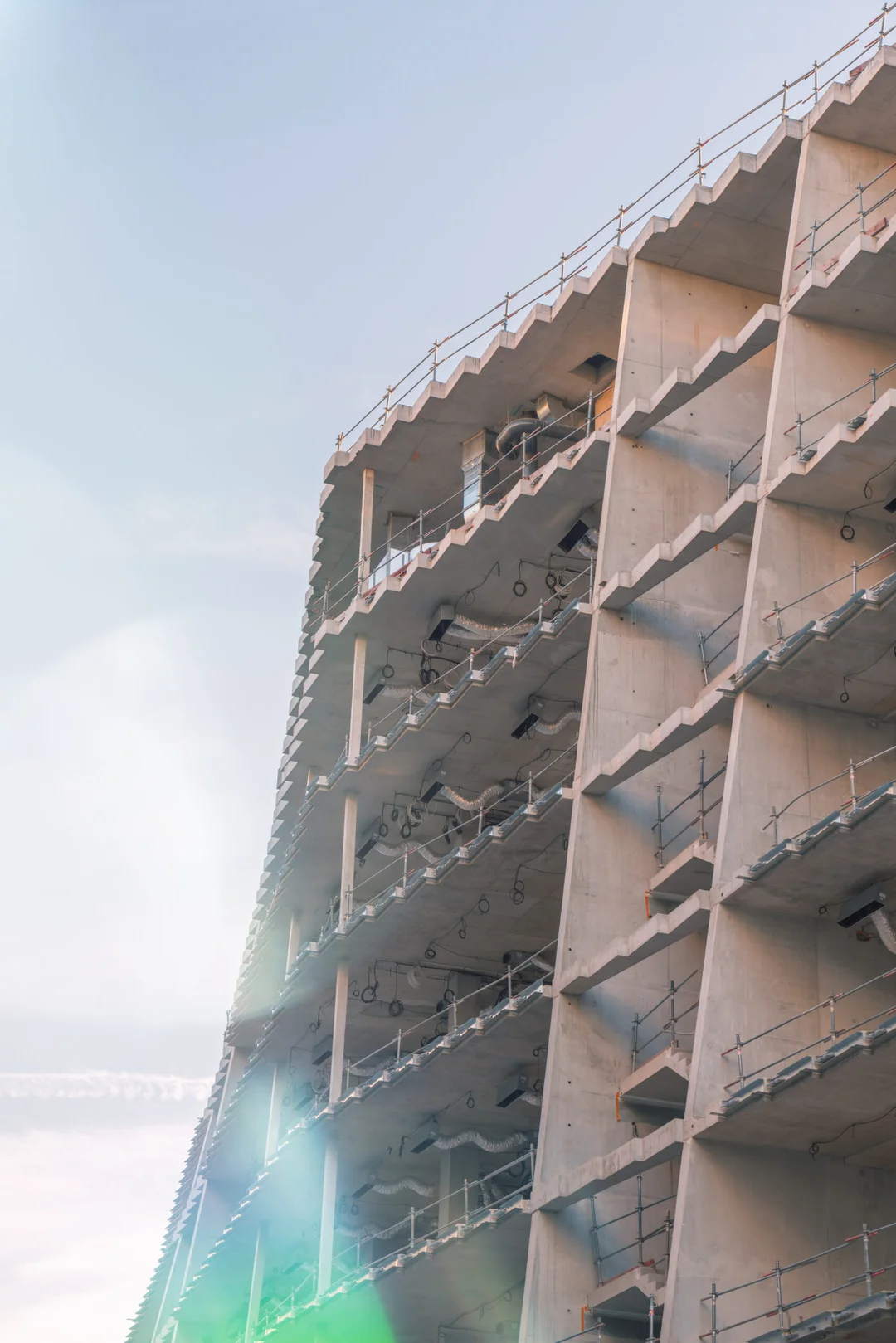
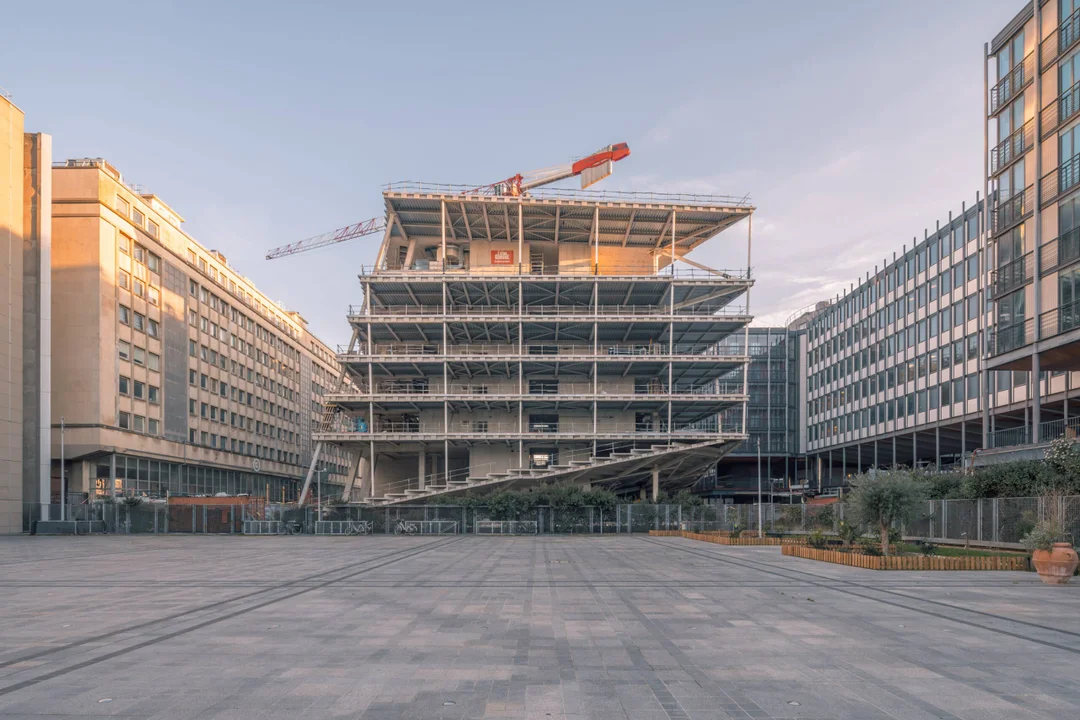
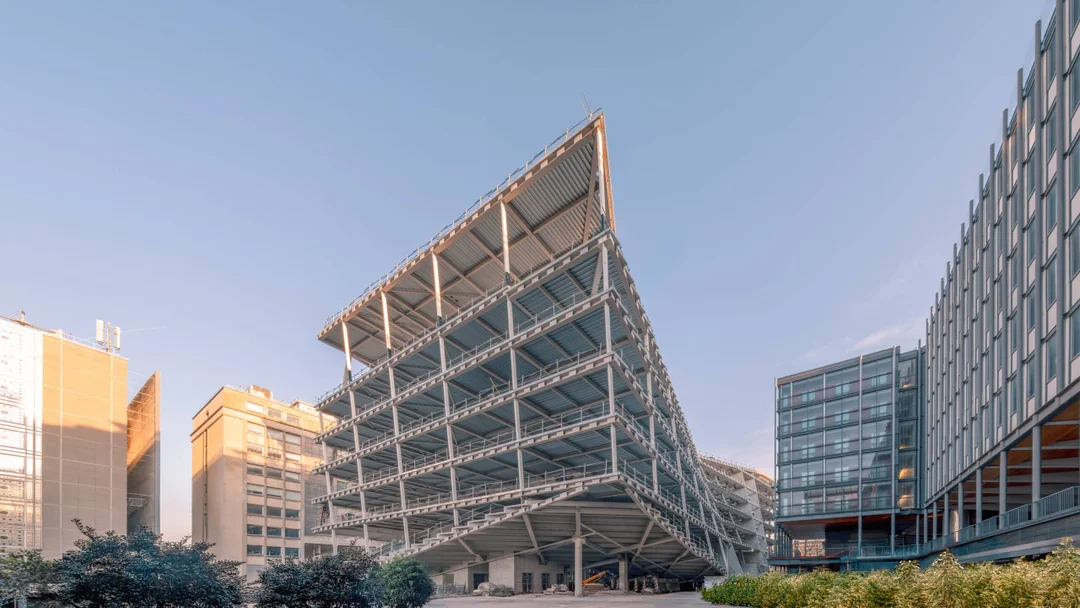
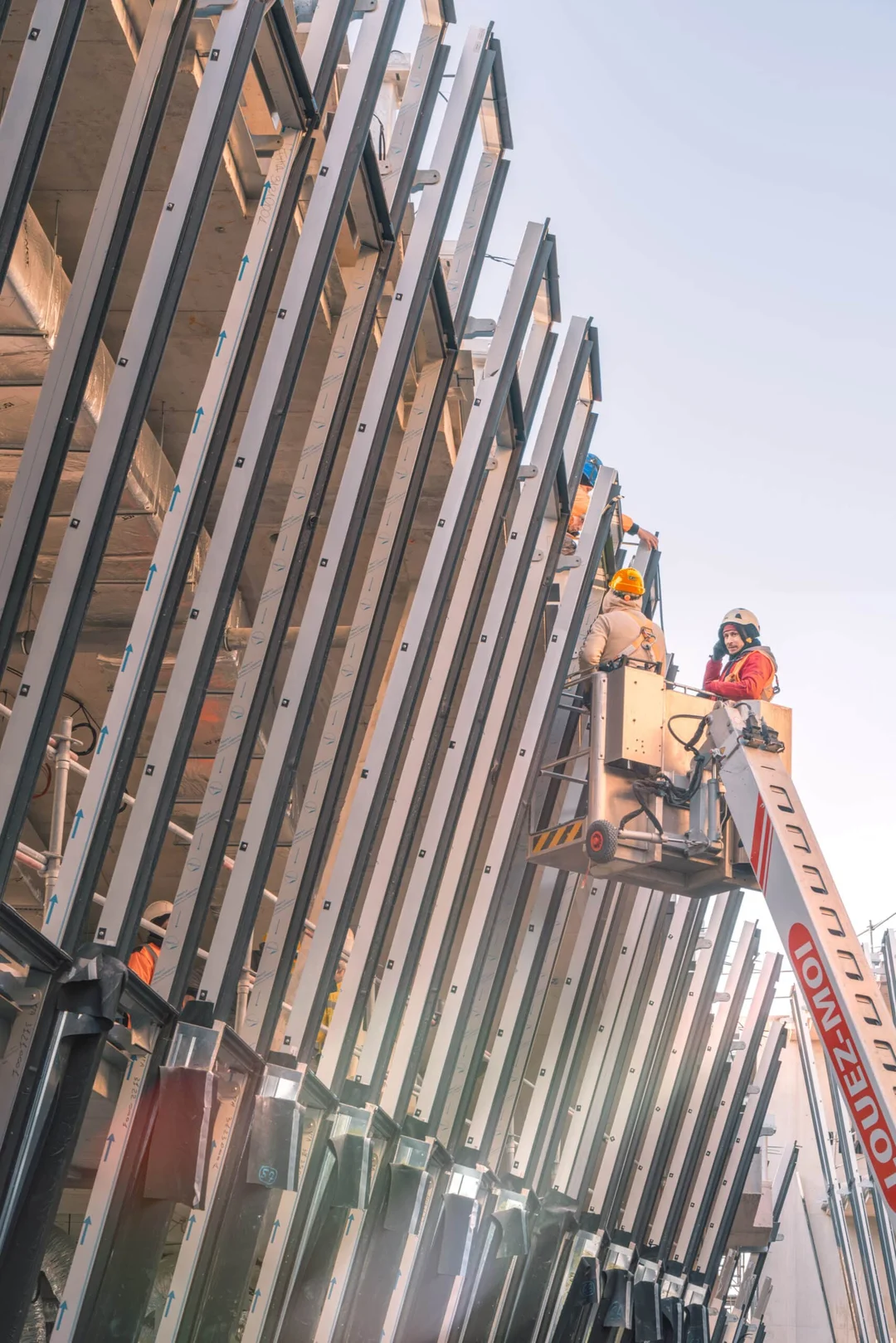
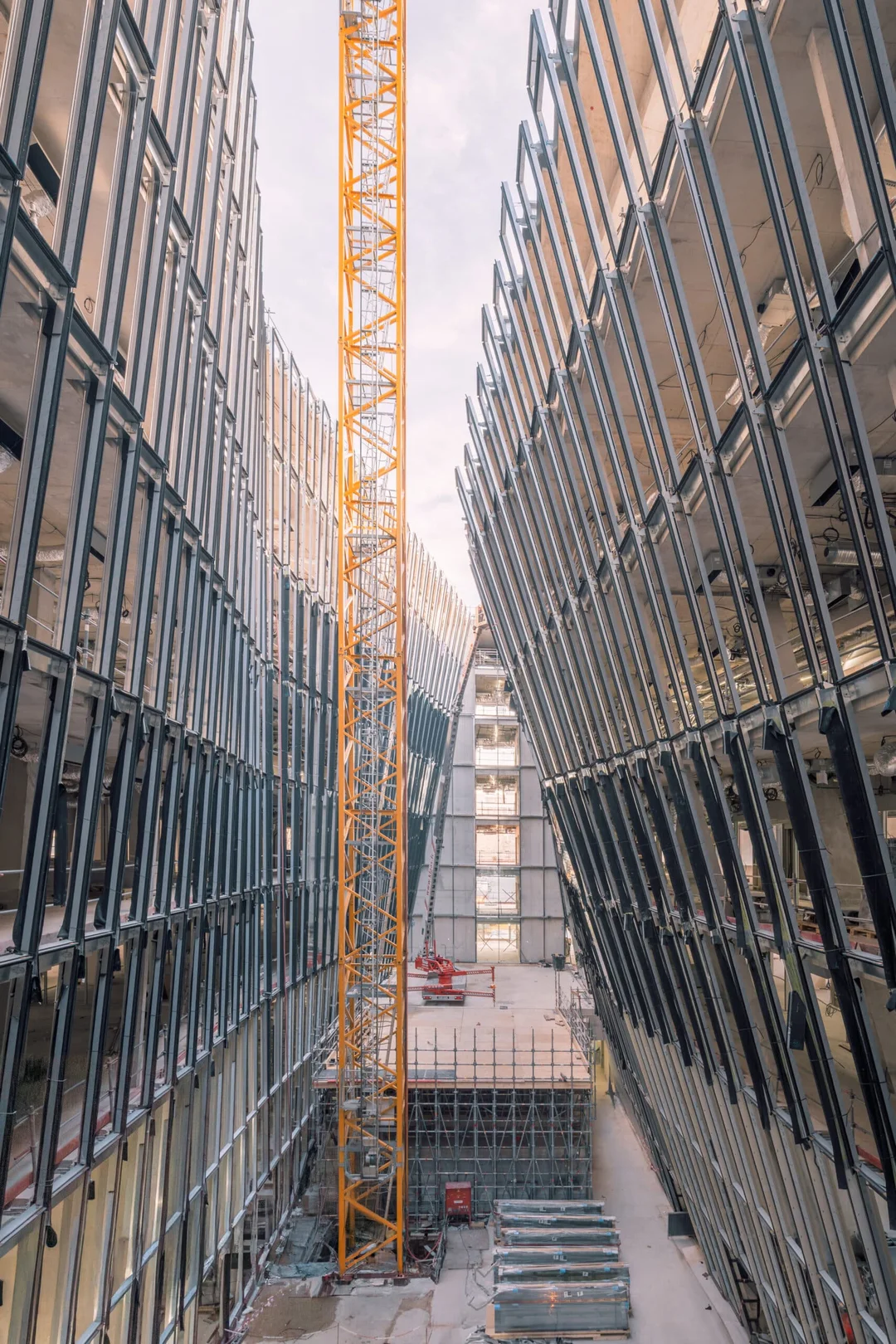
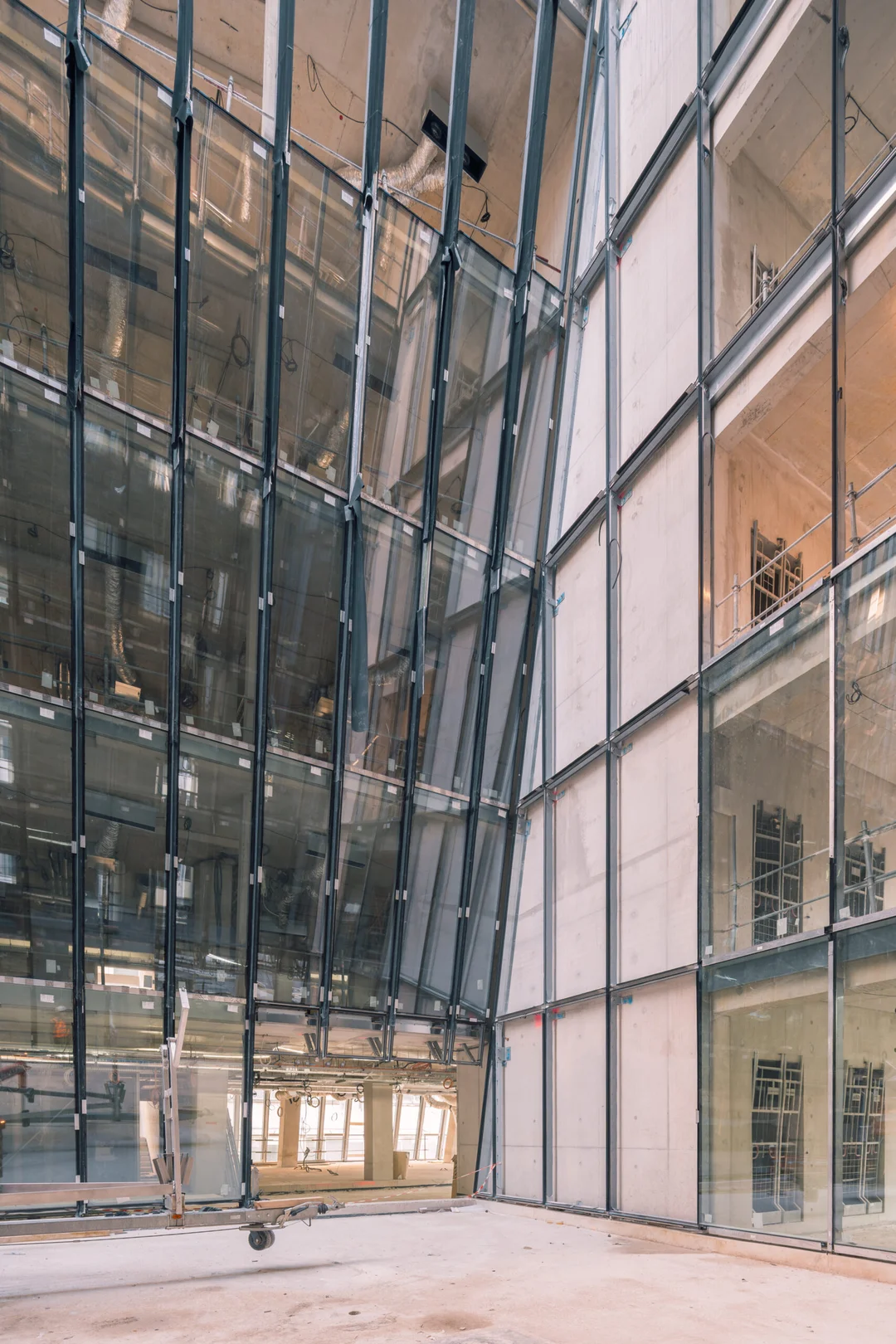
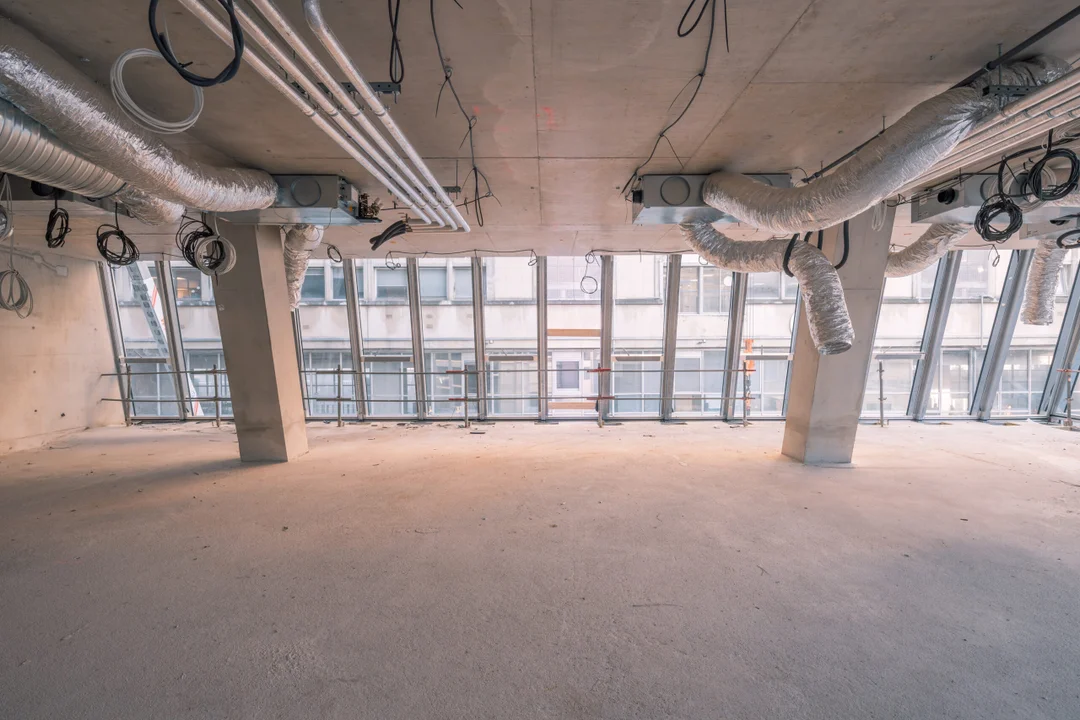
At the heart of the Pierre and Marie Curie Campus, the Cité de l'Innovation embodies a bold, functional architectural approach. Designed by BIG – Bjarke Ingels Group, in collaboration with OXO Architectes, this project reflects the evolution of university spaces towards modular, dynamic environments.
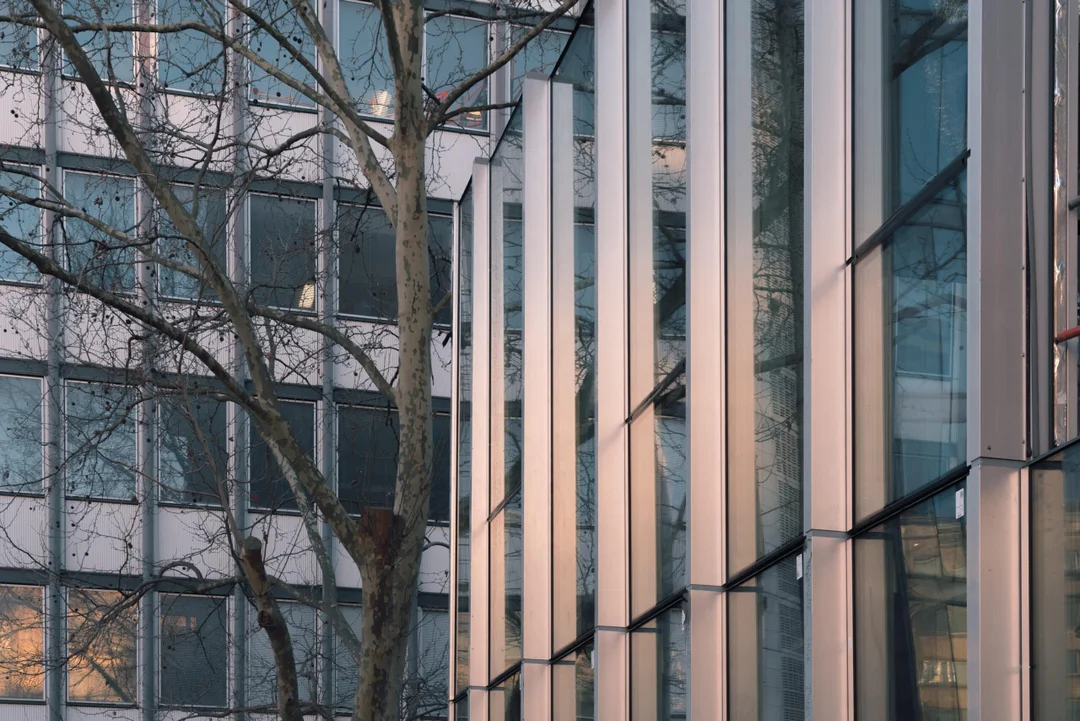
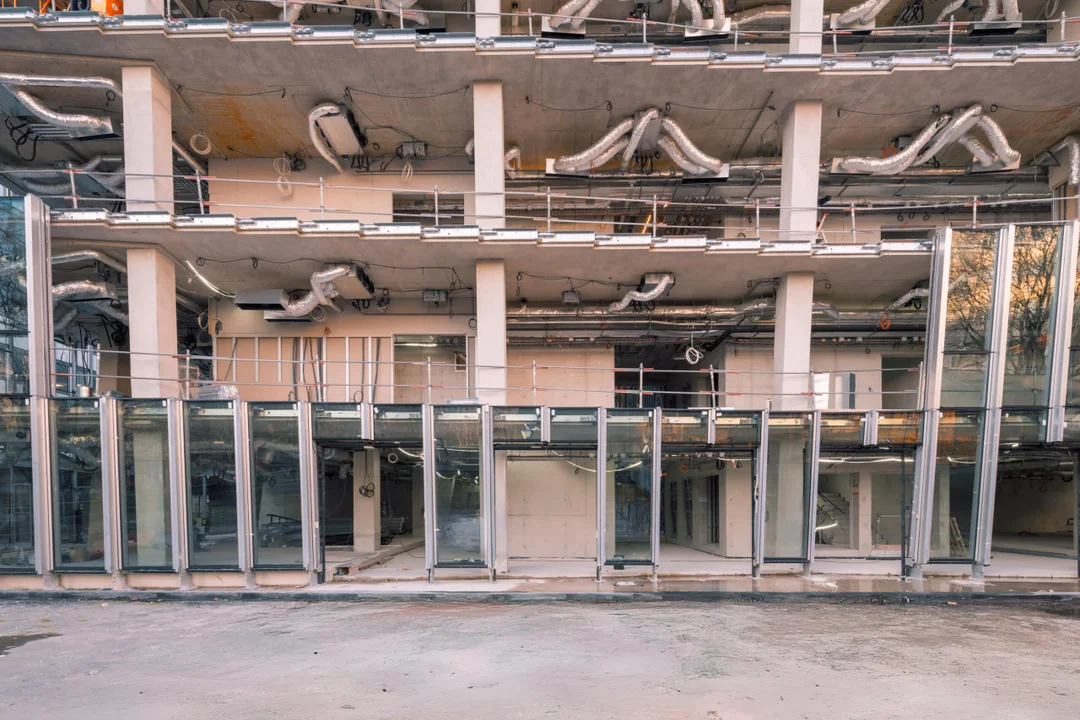
As part of the construction of the Cité de l'Innovation at Jussieu, the photographic monitoring aimed to document the evolution of the site while highlighting the major structural choices and the progressive transformation of the existing building.
The approach adopted made it possible to build complete documentation, usable both for institutional communication, showcasing the teams' work and preserving the memory of the project.
This work illustrates how construction site photography can go beyond a simple visual record to become a strategic tool serving the project's stakeholders.

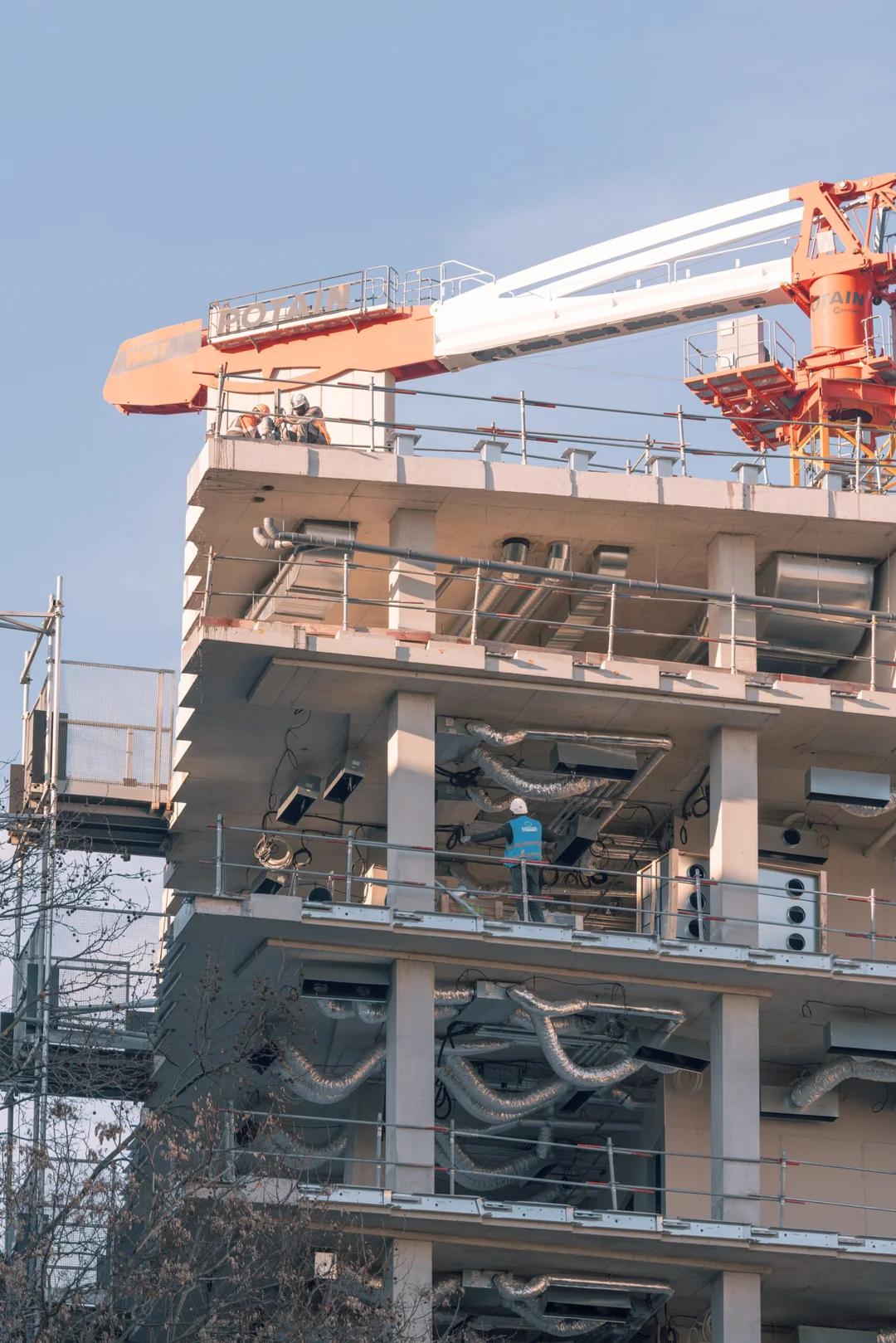
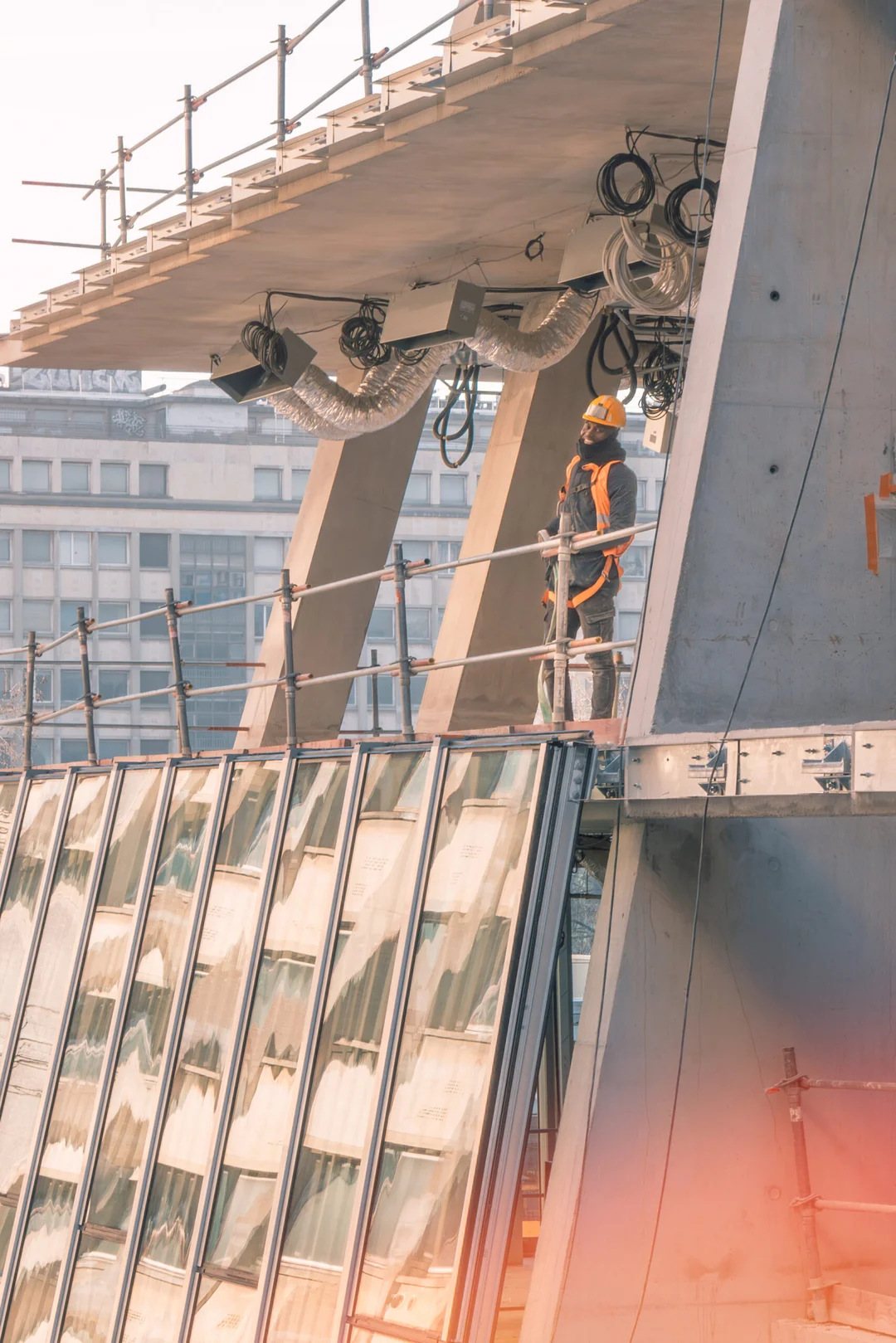
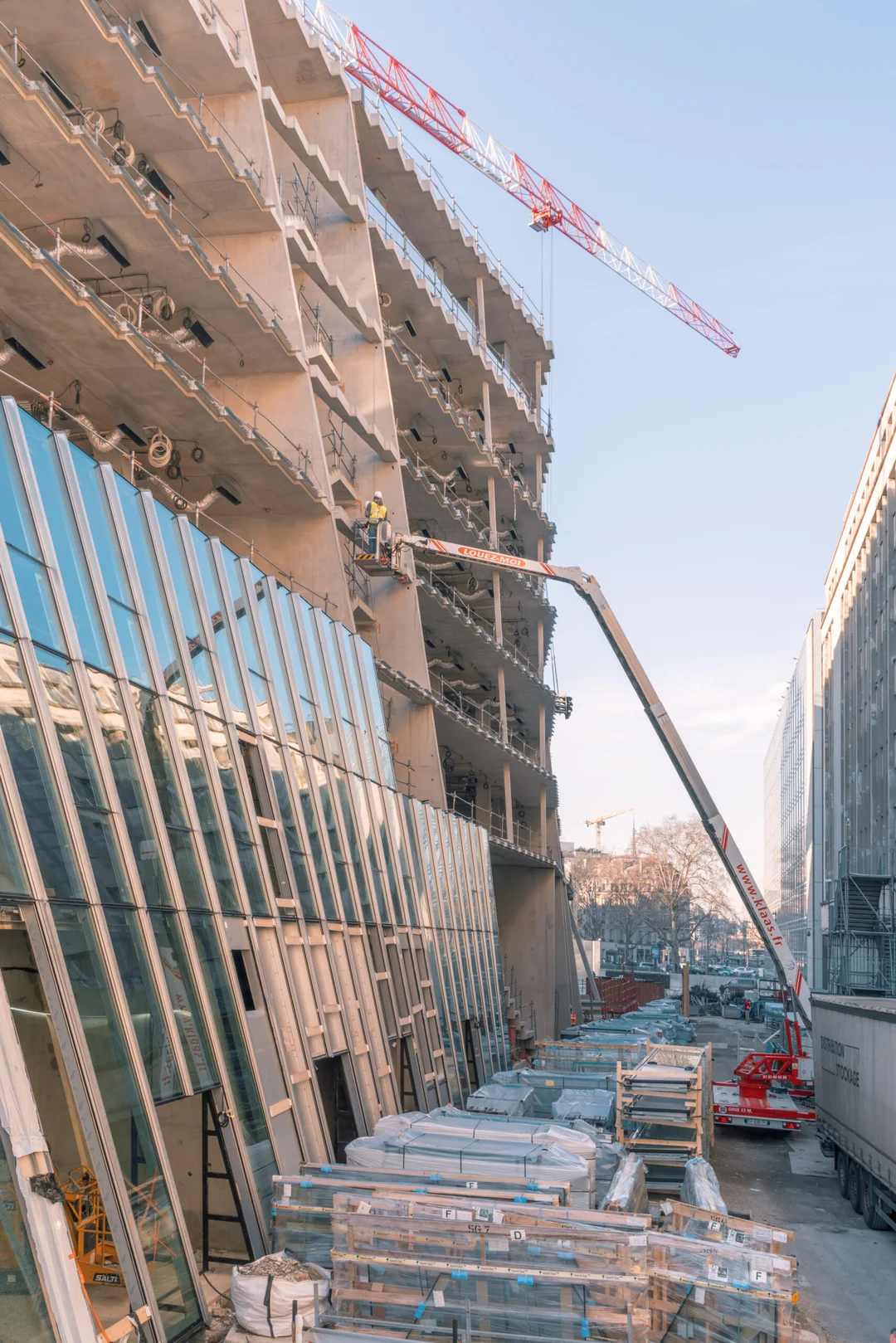
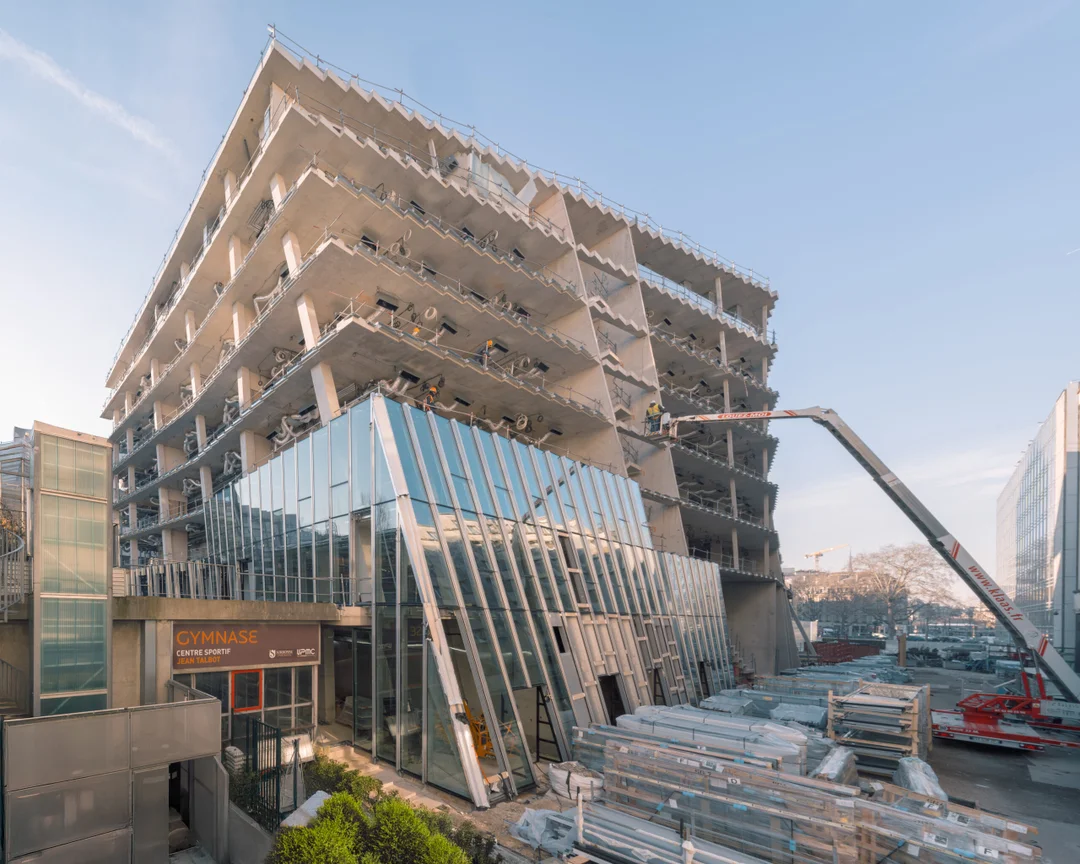
On a construction site, images are rarely used by a single party: client, architect, main contractor and operator all need them. The framework is settled before the shoot — duration, territory, one extension per entity. It is all set out on the Pricing & usage rights page.
Reply within 24 h — detailed quote within 48 h