
Woke Excess in Contemporary Art: Reality or Fantasy?
Sandra Hegedüs's resignation from the Palais de Tokyo reignites the debate over wokeism, identity, and cultural appropriation in contemporary art.
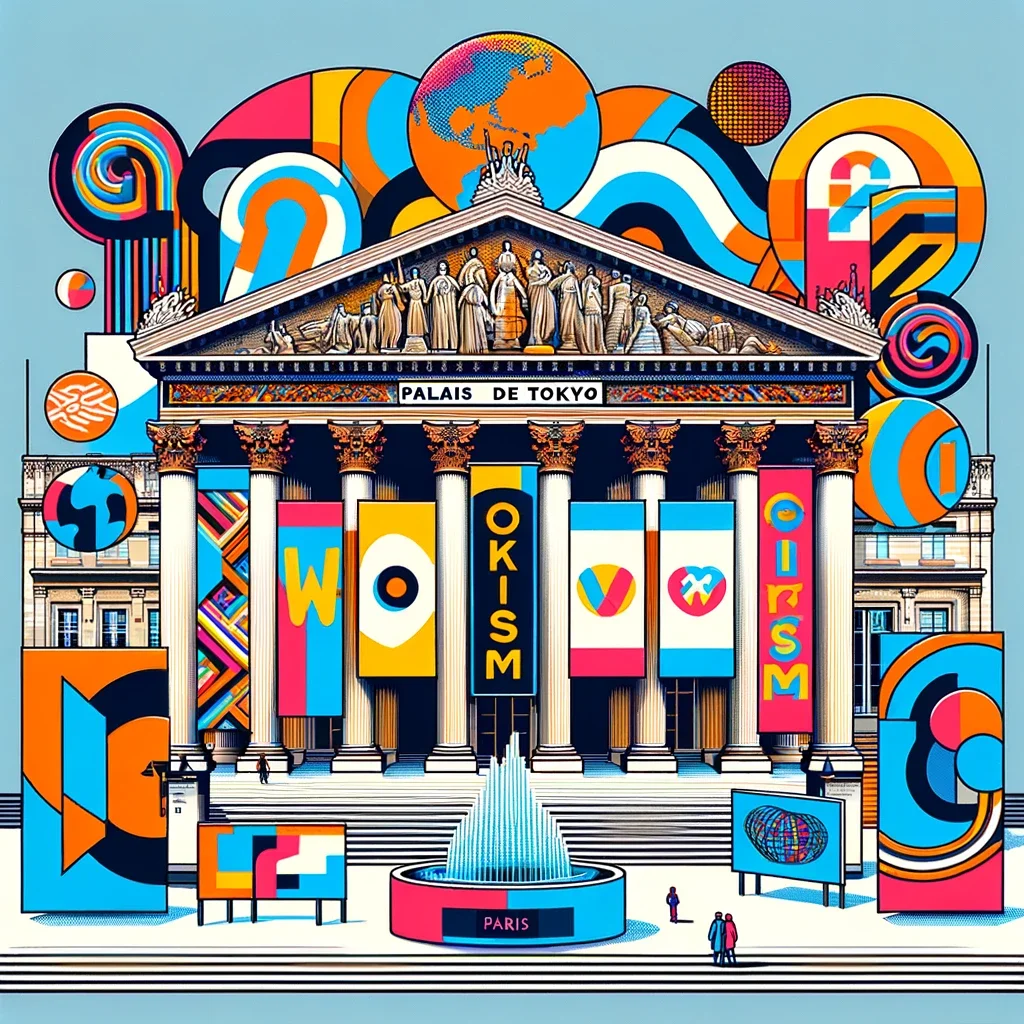
Sandra Hegedüs’s dramatic resignation from the Palais de Tokyo recently fuelled the debate over woke excess in contemporary art in France. According to Libération, Hegedüs left her position denouncing programming influenced by highly slanted political causes, such as wokeism and support for Palestine, which she considered unbalanced and partisan. In response, the Palais de Tokyo defended its choices, stating that its programming reflects the concerns of artists and has no partisan aim. Other sources, such as Le Monde, also covered this controversy, showing divided opinions and varied arguments on both sides of the debate.
It is also from my position as an author — an architectural photographer — that I raise these questions.
However, I find myself questioning my own position on this sensitive subject…
The reality of woke excess
Personally, as an artist and a gay man, I feel particularly concerned by this debate: I have never wanted my work to be reduced, for instance, to my sexual identity. If there is such a thing as “woke excess”, it would consist in always wanting to place artists into identity boxes, often unrelated to their work. If it is now the artists themselves who are locking themselves into these cages, that runs counter to the artistic process.
However, I also question my own practice. Have I avoided addressing the subject of sexual orientation in my work, thereby unconsciously self-censoring? In a field as neutral as architectural photography, this reflection takes on its full meaning.
The dilemma of identity in art
The problem is complex. Now that the public and curators assess a work through the lens of the artist’s identity, it becomes difficult to ignore this component. This carries risks of reductionism. The debate over woke excess in contemporary art thus reveals a conflict between artistic freedom and growing societal expectations regarding identity representation.
Identity and cultural appropriation
Cultural appropriation is another complex dimension of the debate over identity in art. This concept refers to the adoption of elements of one culture by members of another culture, often without the consent of members of the culture of origin and in a context of a power imbalance. In the world of haute couture, this translates into accusations levelled at designers who use patterns, styles, or symbols from other cultures in their collections.
Recent articles on the subject show that many designers are criticised for having appropriated cultural elements without adequately respecting or acknowledging the cultures of origin. This drives some artists to self-censor for fear of being accused of cultural appropriation. This poses a major problem for an art world that has always been built on inspiration, conscious or not, drawn from the work of others. Fear of controversy prevents exploration and innovation, two elements essential to artistic creation.
Conclusion
The question of woke excess and cultural appropriation in contemporary art is far from settled. Opinions differ and the stakes are manifold. The challenge lies in finding a balance between artists’ individual expression and the expectations of a public increasingly attentive to identity issues, without falling into the trap of reductionism. Likewise, it is crucial to allow artists to draw inspiration freely without fear of accusations of cultural appropriation, in order to preserve the richness and diversity of artistic creation.
The difficulty of precisely defining what “wokeism” actually is makes this debate almost moot. To me, so-called wokeism is a particularly virulent, vehement, and militant form of progressivism. Although I consider myself progressive, I believe our society must debate calmly and intelligently, not through personal attacks and sterile arguments. Ultimately, the richness of contemporary art lies in its ability to generate nuanced and thoughtful discussions, far from simplistic and divisive controversies.
For more details, you can consult the articles from Libération, Le Monde, and Wikipedia.