The Art of Photography: Writing with Light
Light is the photographer's raw material — softness, hardness, colour, and direction shape the image. First instalment in the The Art of Photography series.
Photography is a unique art form, in which light plays the leading role. It is not merely a tool for illuminating the subject, but the language through which a photographer tells a story, expresses emotions, and captures moments.
These fundamentals are on the curriculum of my individual photography training.
In this article, we explore how light is used in photography to create impactful and memorable images.
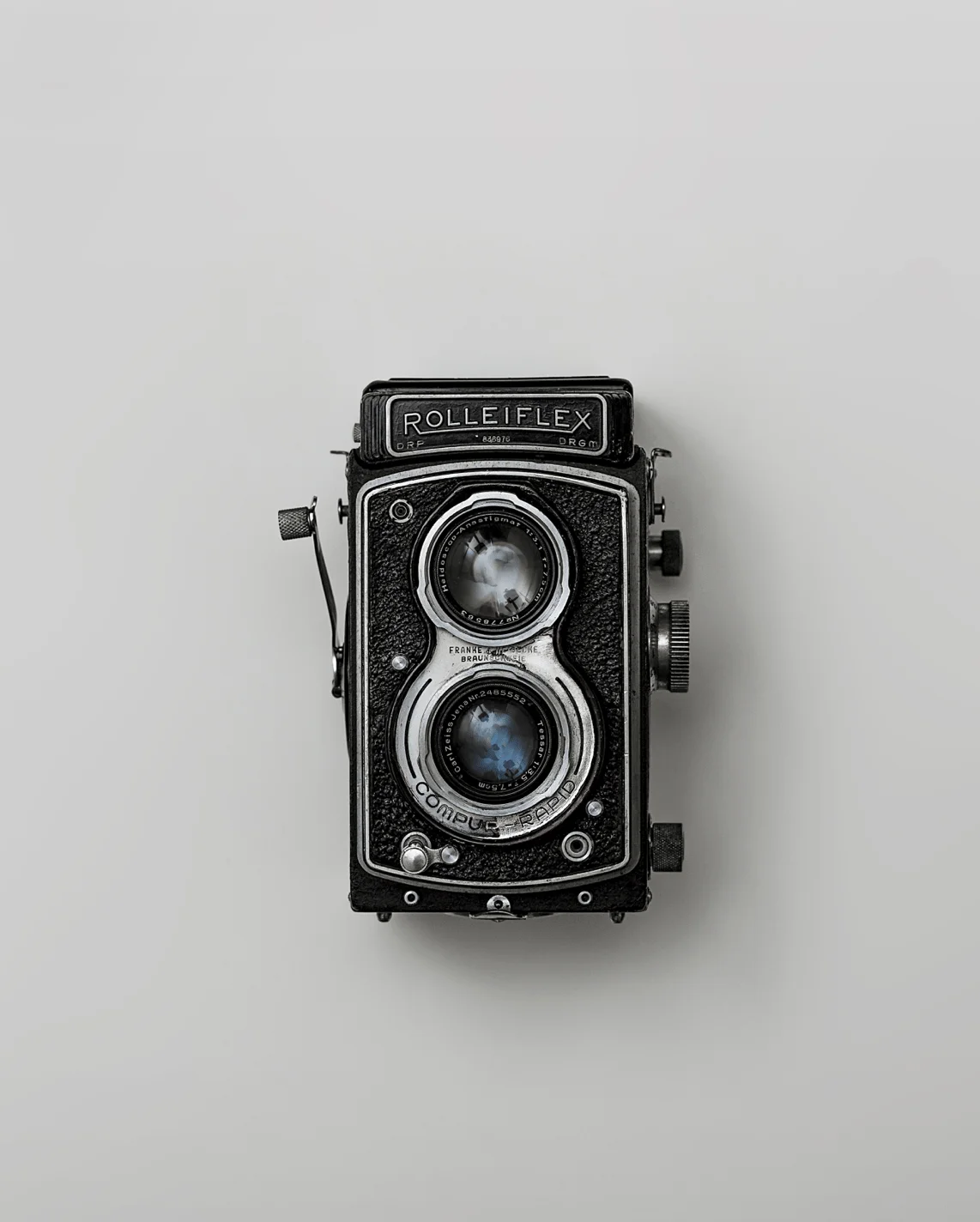
Photo by Alexander Andrews on Unsplash
Welcome to the first article in my “The Art of Photography” series, a captivating journey through the many facets of this fascinating art form. Designed for amateur photographers and professionals alike, this series aims to deepen your understanding of photography. Whether it’s mastering light, discovering the history of this art, or exploring advanced techniques such as exposure and composition, I invite you on an enriching journey that promises to broaden your photographic horizons, whether you wish to develop your artistic identity or capture the essence of urban life through your lens.
Each article in this series is a source of information and inspiration, covering everything from the manipulation of light to create stunning images, to the exploration of the history of photography and its impact on how we see the world. I will share practical tips and techniques to help you improve your photography skills, while encouraging you to develop a photographic style of your own.
Other articles in the series:
Light as the Photographer’s Raw Material
The term “photography”, derived from the Greek “photos” meaning light and “graphein” meaning to paint or write, was coined by Sir John Frederick William Herschel, a renowned British astronomer (1792-1871).
In photography, light is used as raw material, just as ink, paint, or colours are for other art forms. This light is captured and fixed onto a photosensitive medium, whether traditional film or a digital sensor. Photosensitivity, or a medium’s ability to react to light, is crucial in photography, as it allows the image to be fixed permanently.
Thus, understanding and learning to see light is a fundamental skill for any photographer, as it is what makes it possible to transform a vision into a tangible and memorable image.
Qualities of Light: Softness, Hardness, and Colour
Outdoors, soft light, often present on cloudy days or during the golden hour, produces subtle shadows and is particularly flattering for portraits. Conversely, hard light, typical of the midday sun, creates pronounced shadows and strong contrasts, ideal for accentuating textures and shapes. In short:
Soft light:
- Diffused or diffracted… by clouds, a sheet, etc.
- Less contrast, less black shadows, softened outlines
Hard light:
- Direct and undiffused
- It travels in a straight line
- Dense shadows and strong contrast
Hard light in full sun
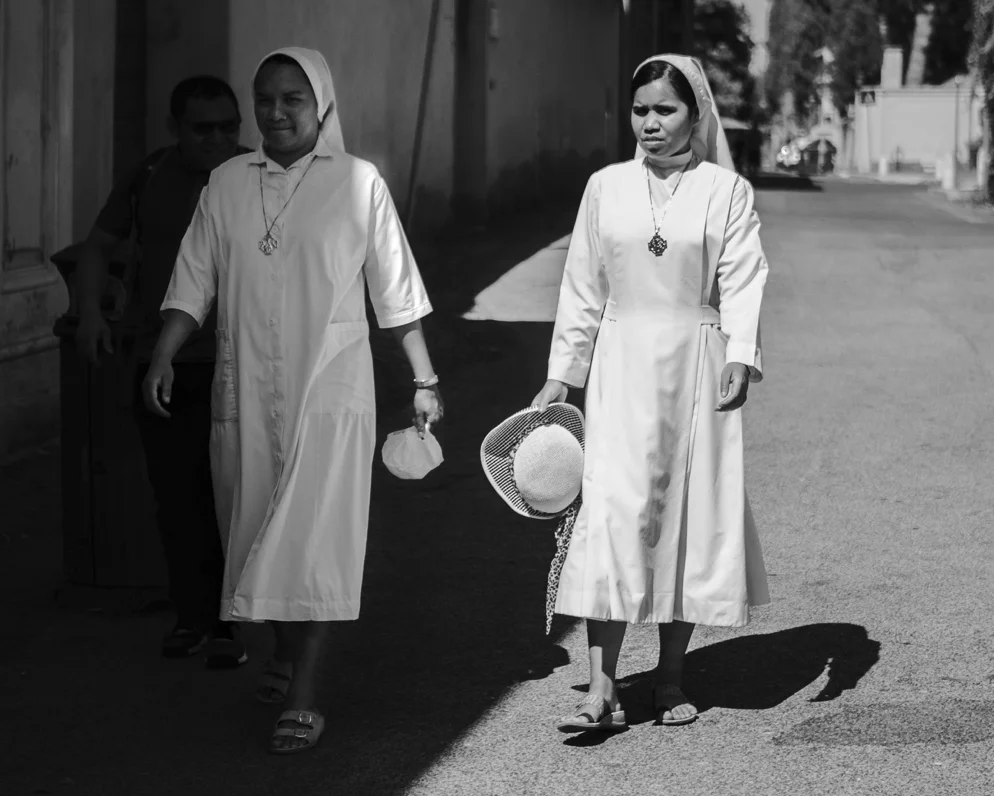
Photo by Julius Drost on Unsplash
Soft light under a hazy sun
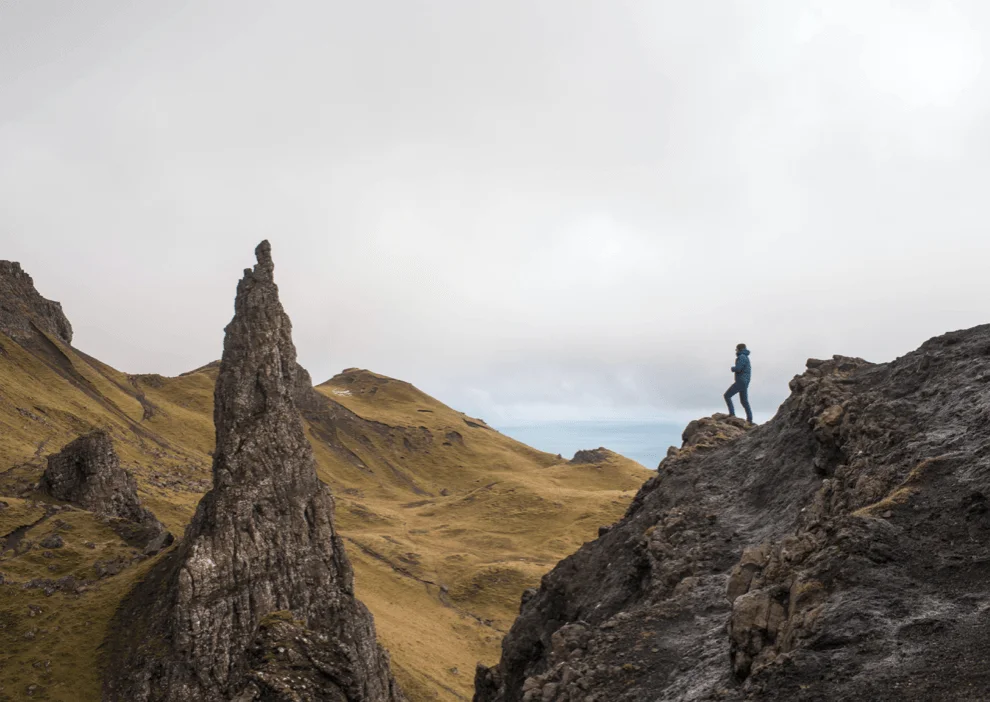
Photo by Danka & Peter on Unsplash
Furthermore, the colour of light, which varies depending on the time of day and the light source, has the power to completely change the mood of a photo. Warm tones (yellow-orange) from sunrise or sunset bring a romantic, gentle atmosphere, while cool tones (blues) evoke tranquillity and serenity.
Warm morning tones
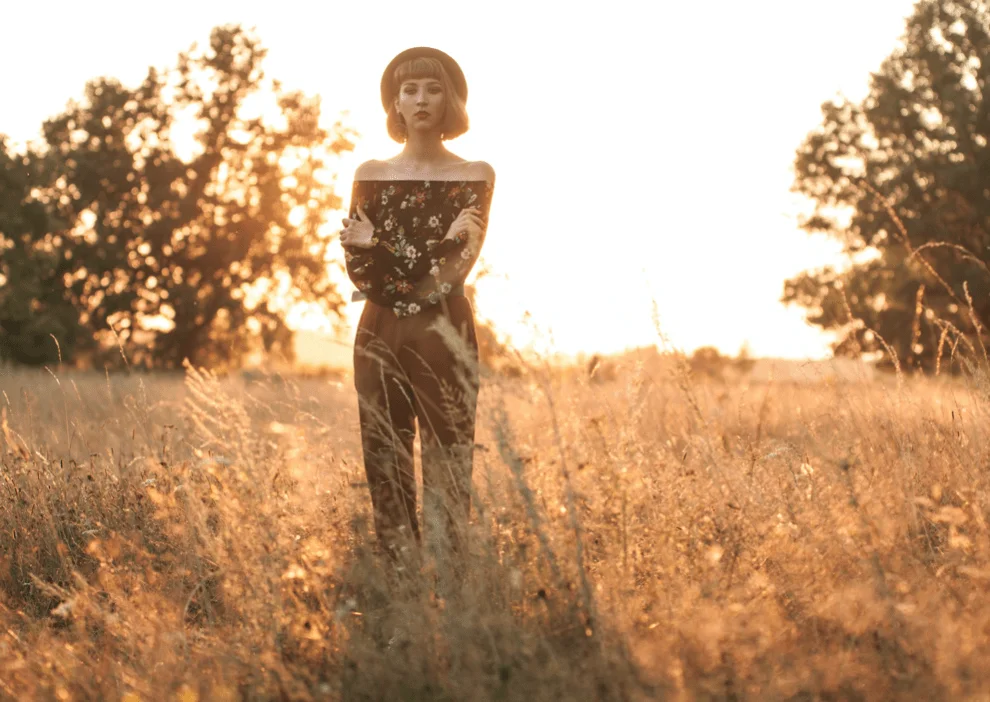
Photo by Racim Amr on Unsplash
Neutral midday tones

Photo by Marcus Lenk on Unsplash
Finally, for a beginner, one of the elements that will have the greatest impact on the quality of the light is its nature: natural light from the sun outdoors or through windows, or artificial light (flashes or bulbs/continuous light) in a photo studio or indoors, or even a combination of both. Both types will have potentially different shapes, directions, and tones.
Manipulating and Experimenting with Light
Playing with the direction of light reveals different aspects of a subject. Frontal, side, or backlighting offers varied and unique perspectives on the subject being photographed.
- Frontal lighting (‘from the front’): with the sun behind you, it’s as if you were lighting the subject with your lens.
- Side lighting: accentuates relief
- Backlighting: photographing with the sun in front of you, a subject lit from behind. Achieves a silhouette effect.
Frontal lighting
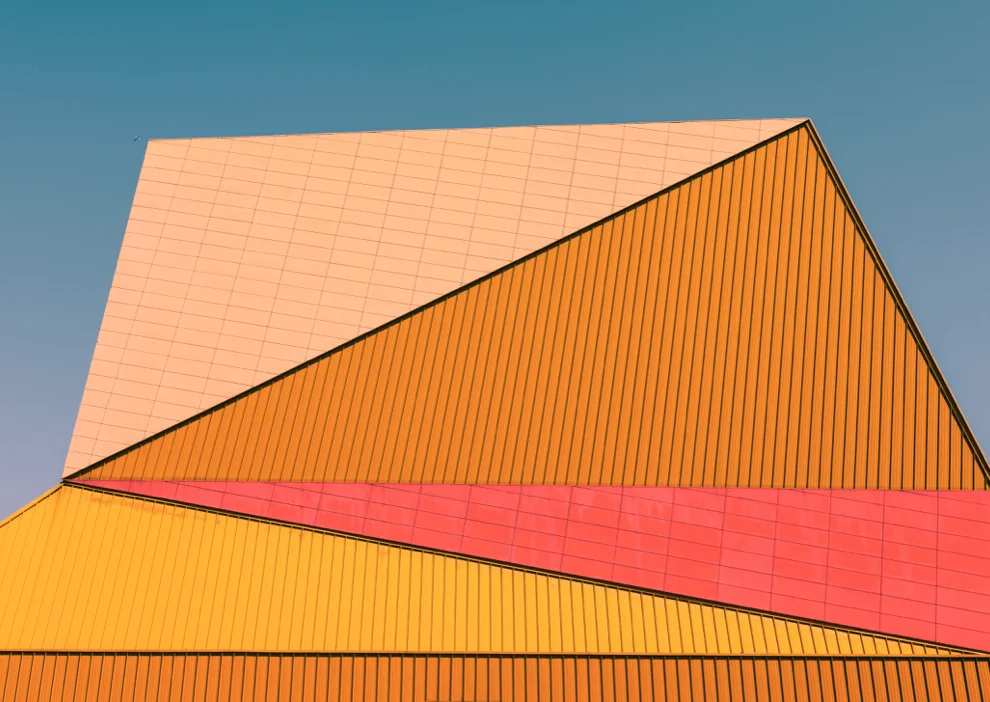
Photo by Diana van Ormondt on Unsplash
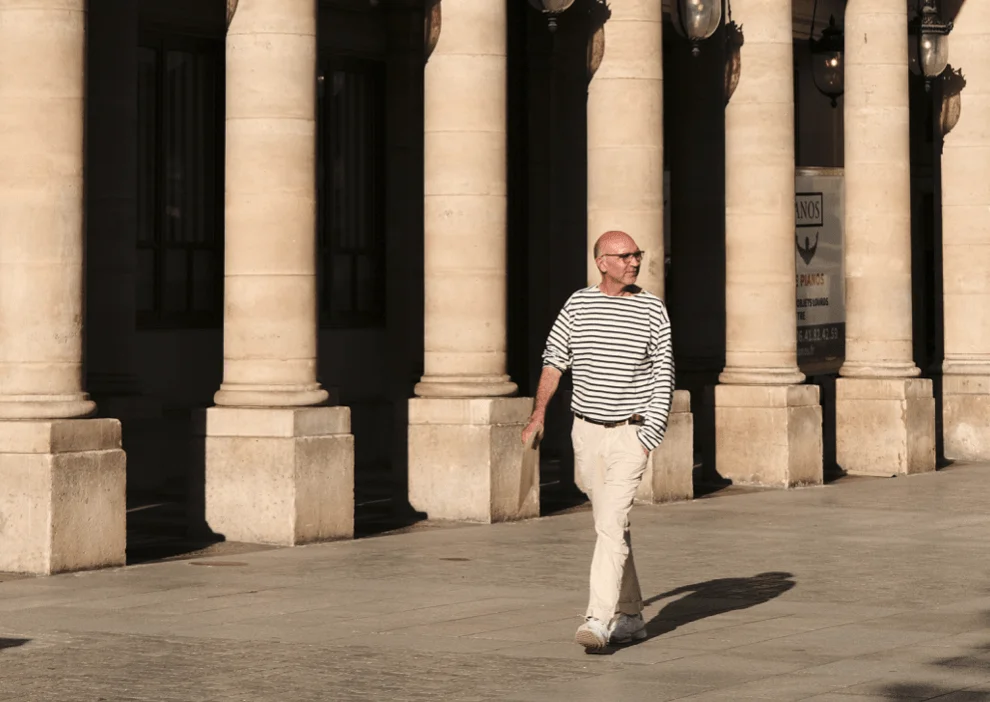
Side lighting
Light is made up of photons, which have characteristics that are both particle-like, similar to atoms, and wave-like. These waves emit electromagnetic radiation ranging from intense violet to red, a range known as the light spectrum.
Furthermore, this light can be broken down using an optical prism, making it possible to visualise the different colours that make up the light spectrum.
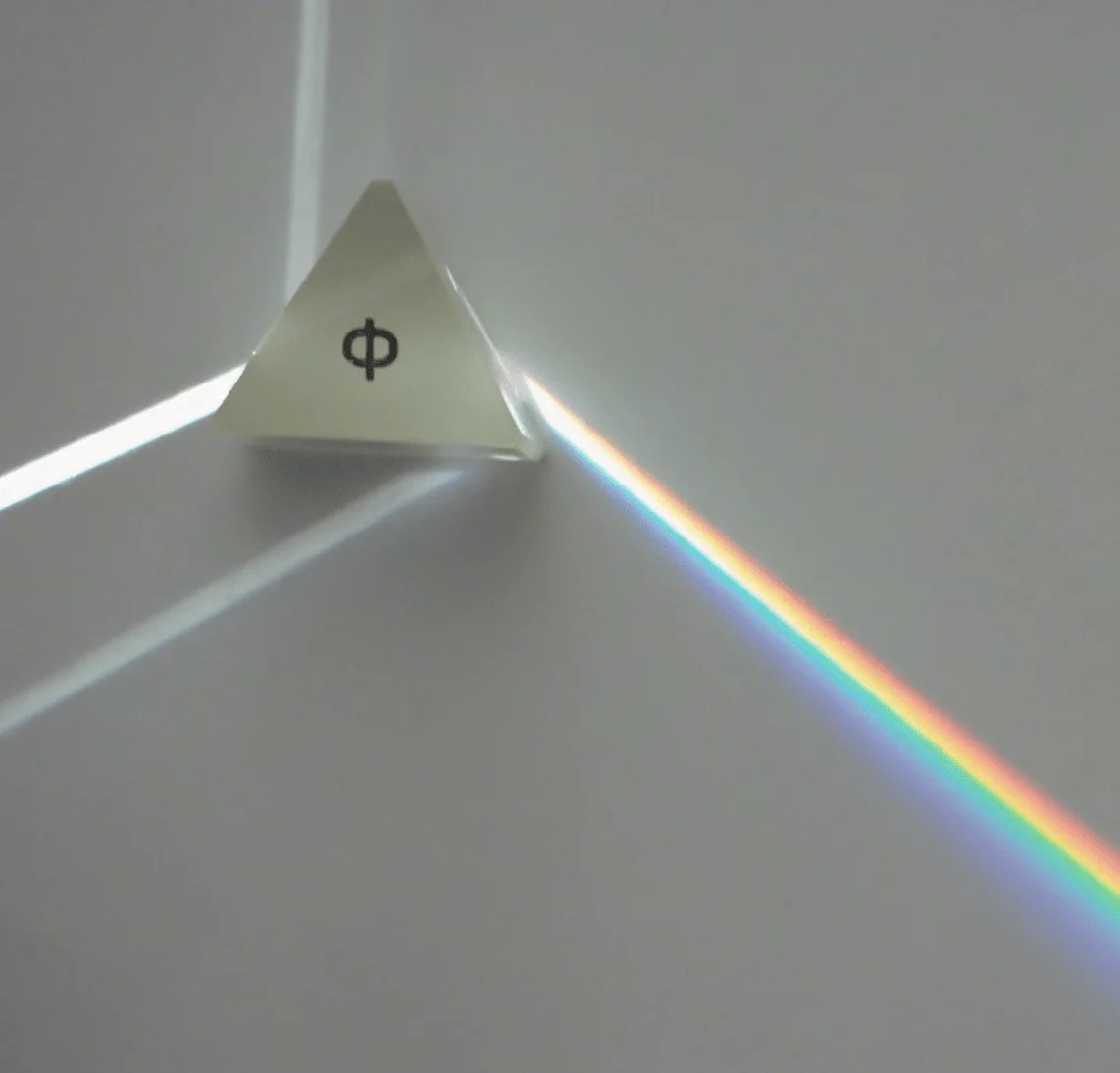
By Zátonyi Sándor, (ifj.) Fizped — Own work, CC BY-SA 3.0
Experimenting with light intensity, using reflectors or filters, is another technique that allows photographers to create the desired mood in their images.
Light as a Visual Language
For photographers, light becomes a visual language, a means of artistic expression. It is used to tell stories, evoke emotions, and express creative visions. A thorough understanding of light opens the door to endless creative possibilities, making it possible to transform ordinary scenes into extraordinary images.
Transform Your Visual Communication with Professional Photography Training
Want to reveal the visual potential of your projects with remarkable elegance and precision? Discover how my individually designed, tailor-made photography training can revolutionise your team’s visual communication. We cover crucial aspects such as mastering light, post-processing techniques, and developing a unique photographic identity, essential for showcasing your company’s achievements. As a passionate instructor, I offer you personalised learning and practical advice to help you excel in your field. Seize this opportunity to improve your photography skills and tell the story of your projects in a captivating way. Your journey into the art of photography starts here.