
How Much Does an Architecture Photography Report Cost?
There is no per-square-metre rate for architecture photography. Here is what actually goes into a quote, so the request you send is already well framed.
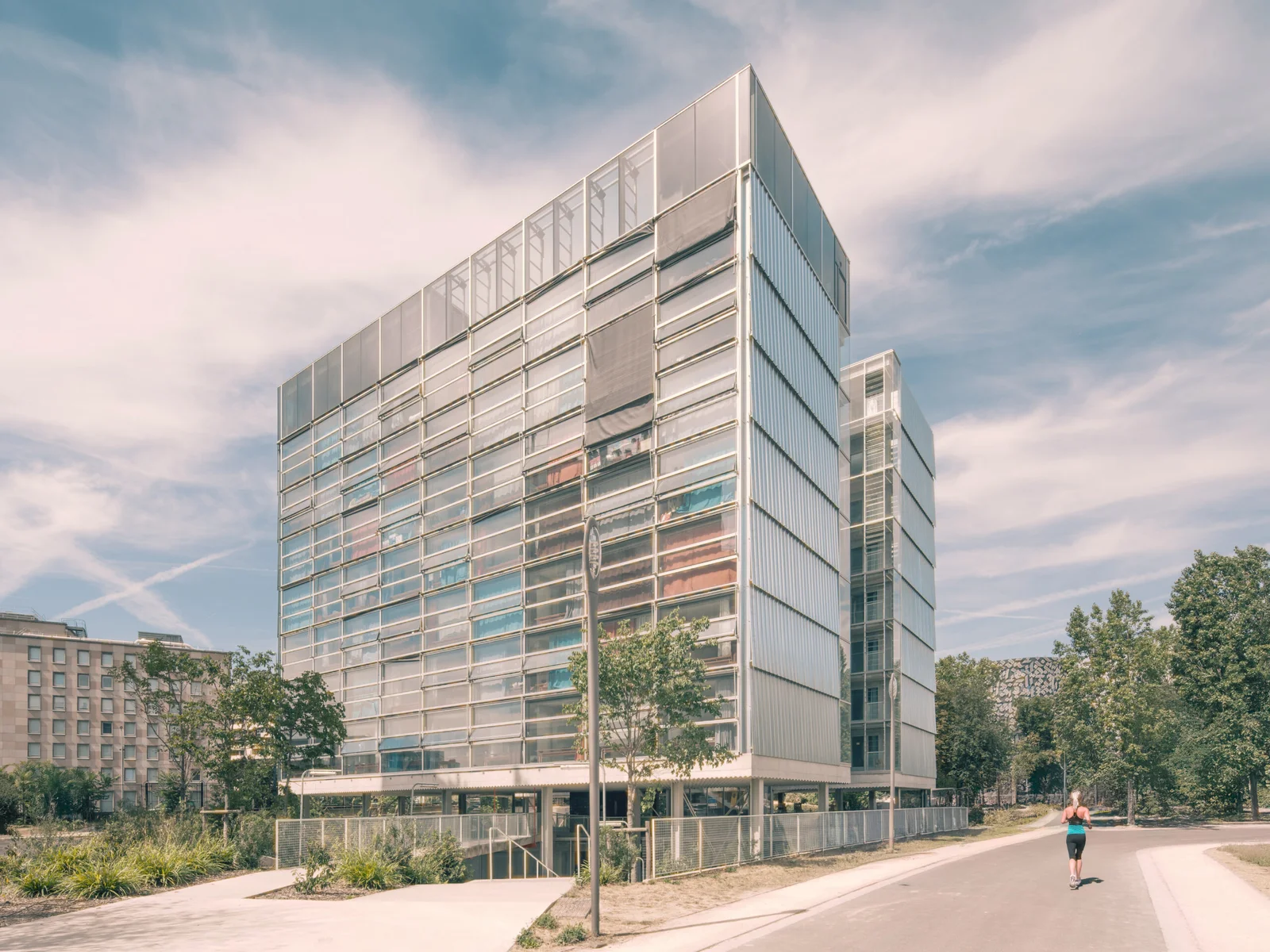
There is no single answer to this question
An architect looking for a photographer to document a recent completion often types the same question into a search bar: how much does this cost. The honest answer is that no figure applies to every project, and any number given without knowing the building, the intended use of the images, and the number of views expected means very little. This piece breaks down the variables that make up a quote, so the enquiry you send afterwards is already well framed.
The pricing and usage-rights grid for this site is published at /tarifs/. It gives a baseline for calculation; it does not replace a conversation about your project, because no grid can anticipate the real complexity of a construction site or the use a marketing team will make of the images eighteen months from now.
The variables that shape a quote
Six elements drive a quote, and not in equal measure:
- Building size and complexity. A house can be covered in half a day. An office complex with multiple facades, shared circulation spaces and night lighting needs several sessions and usually a prior scouting visit.
- The number of delivered images. Time on site rarely costs the most — the selection and retouching work behind each final image does. Ten finished frames and fifty finished frames do not require the same post-production time.
- Furnished or staged interiors. Shooting a styled interior — furniture, ambient lighting, reflective surfaces — takes longer to set up than an exterior facade, and longer to retouch afterwards.
- The need for aerial photography. A drone answers questions the ground cannot: siting, relationship to the urban context, reading a roofline. It adds to a report rather than replacing it.
- Usage rights. This is often the most misunderstood line item. An image meant for an internal portfolio does not carry the same value as one used in outdoor advertising, in the press, or exclusively over an extended period.
- Travel and site constraints. Access, safety schedules, permits: on an active construction site, these directly determine how much time is available for photography, and therefore how many sessions are needed.
What a report actually covers
When people ask about price, they usually picture the time spent standing in front of the building with a camera. That is the visible part, but it is only a fraction of the work.
Preparation. Scouting orientations to pick the right time of day, checking access permissions, anticipating light conditions for the season. On a construction site, this also means coordinating with the client so a work zone is not blocked at the wrong moment.
The shoot itself. It depends on the size of the building, but also on the light being sought: a facade that photographs best at the end of the day means waiting for that window, and sometimes coming back another day if the sky does not cooperate.
Post-production. HDR blending to handle the exposure gap between interior and exterior, panoramic stitching, targeted retouching. This time scales with the number of delivered images, not with the time spent on site.
Delivery. Formats adapted to intended uses — web, print, press kit — sometimes several versions of the same image depending on the platform.
Two scales, two realities
A single-family house and a commercial office building are not directly comparable, but placing them side by side illustrates the variables above.
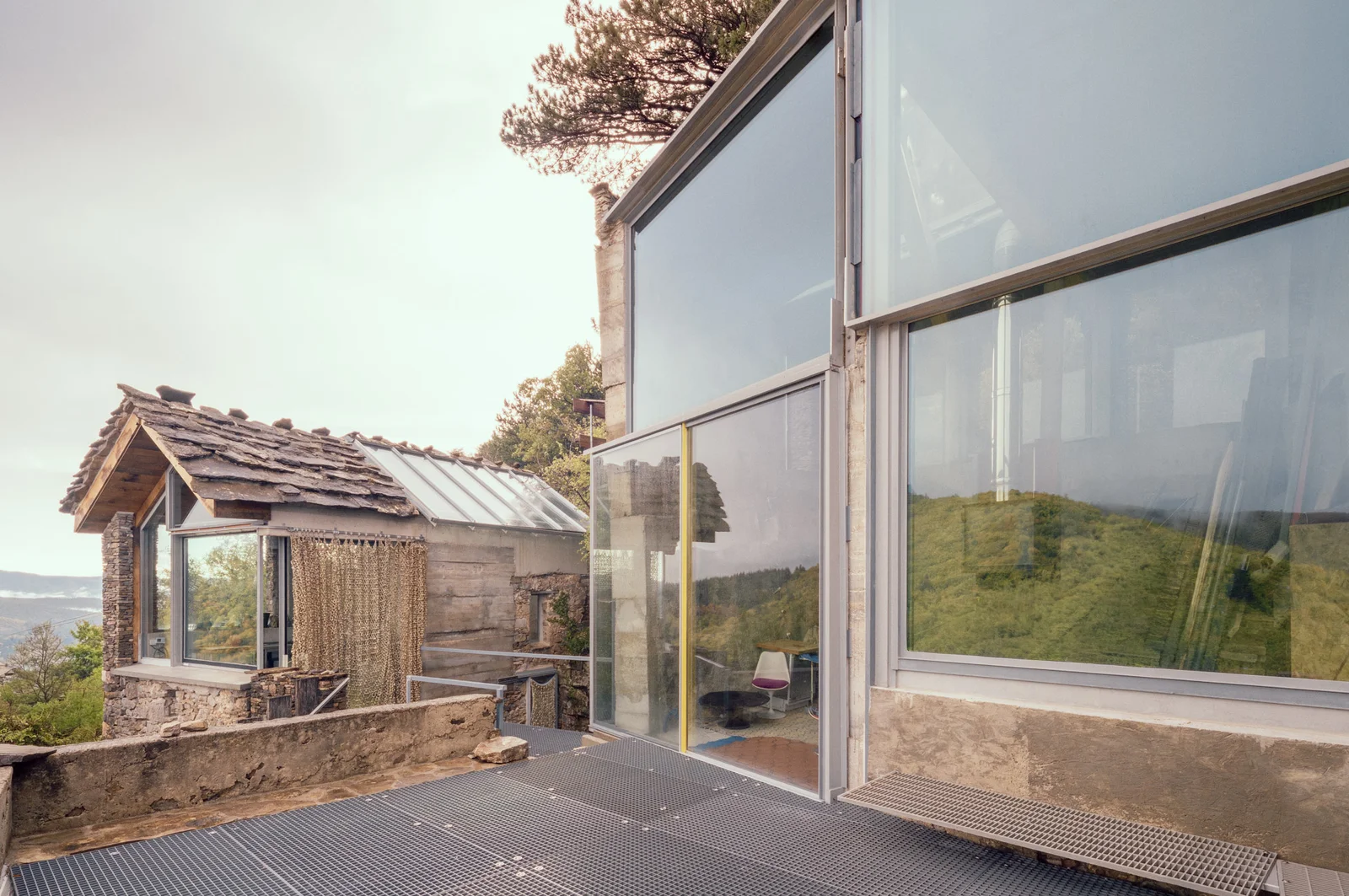
On a house, the report often fits into one session, sometimes two if both morning and evening light are wanted. The number of facades is limited, and interiors move quickly when they have not been staged specifically for the shoot.
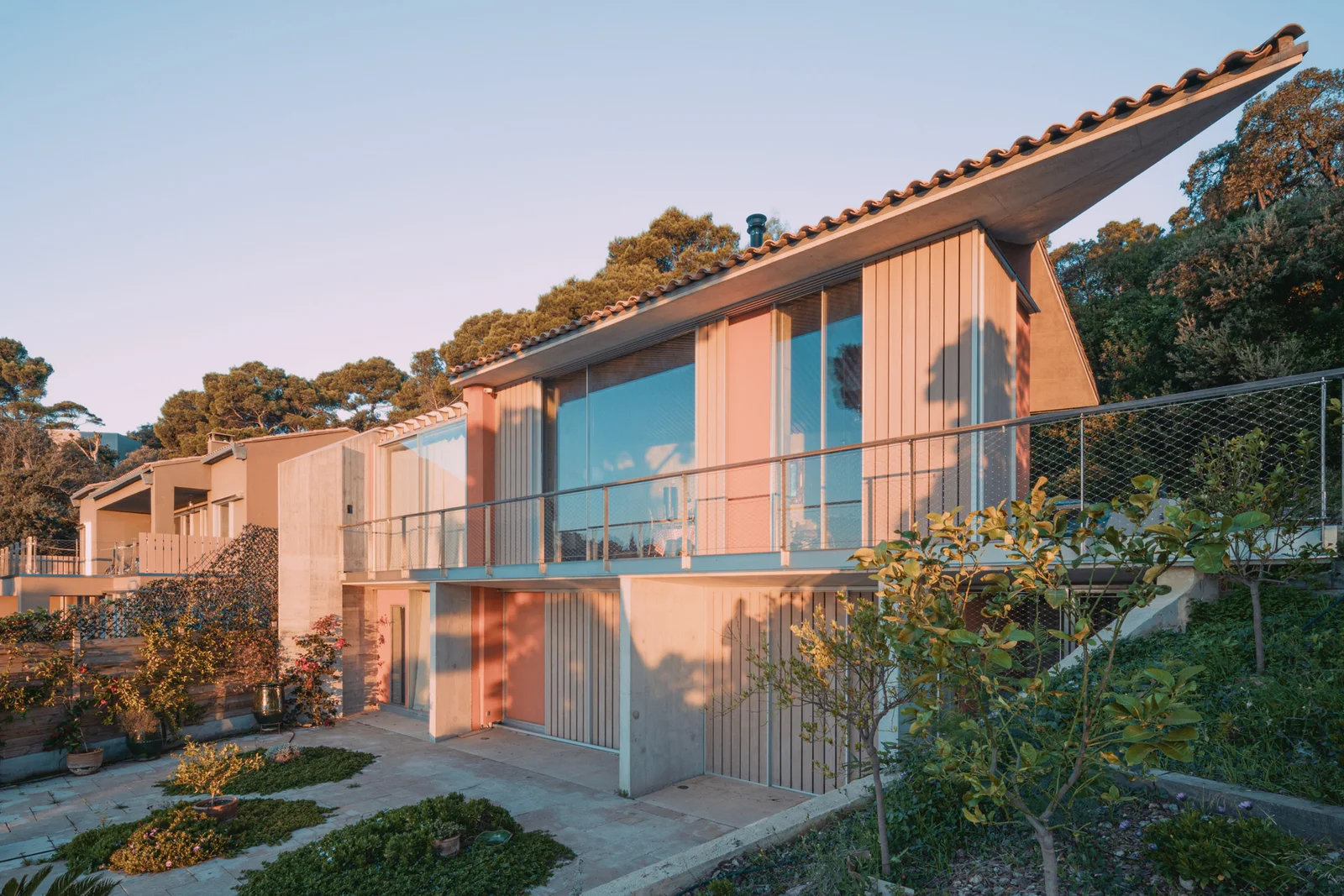
The roofline, the way the building sits on a slope, its relationship to the garden: on a project this size, every angle deserves thought before the shutter fires, but the overall workload stays manageable within a day or two.
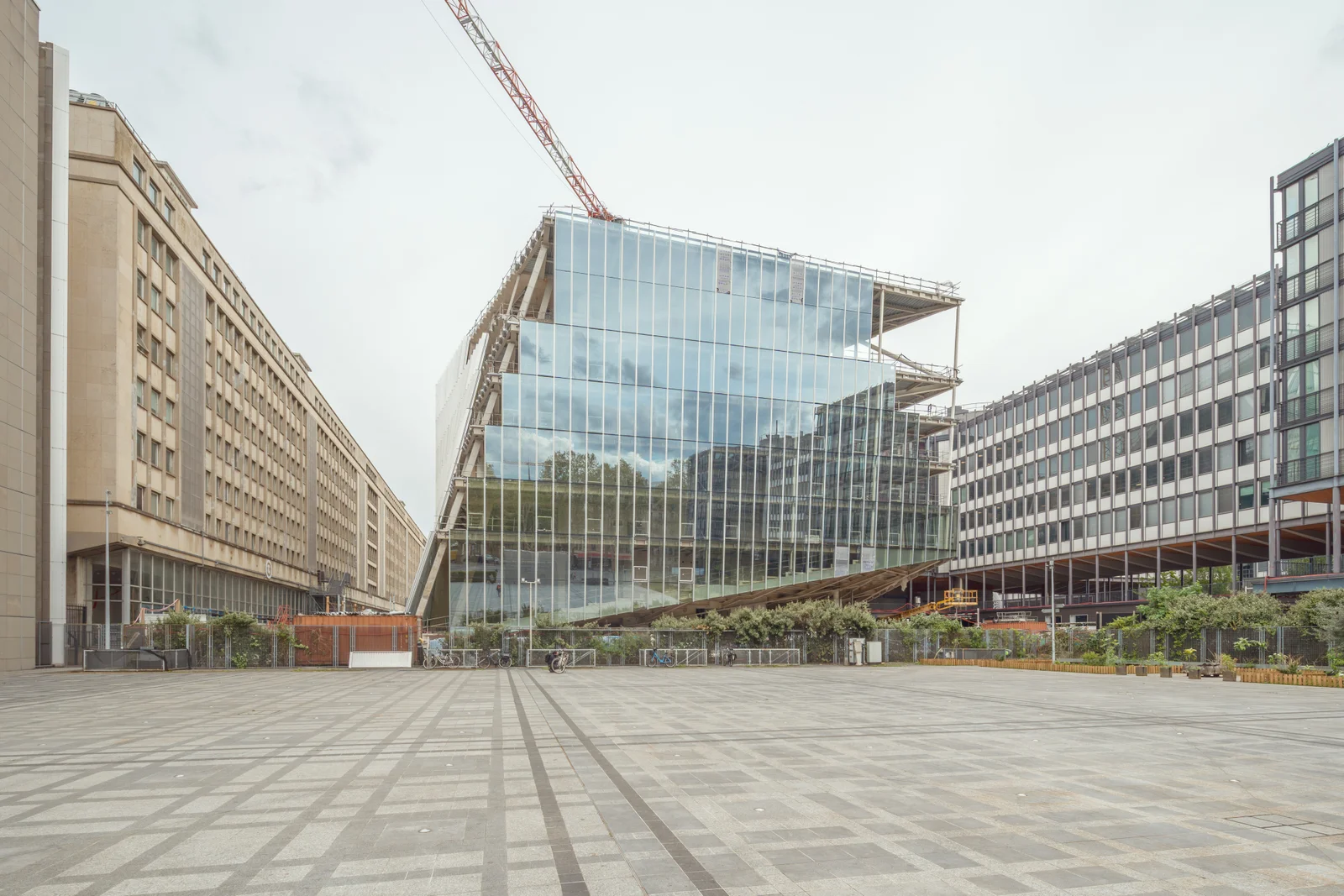
On an office building in a dense urban setting, things change. Multiple facades, reflections to manage depending on the hour, a surrounding context that needs to be included without overwhelming the subject: the number of sessions rises, and with it the time spent selecting and retouching.
When interiors come into play
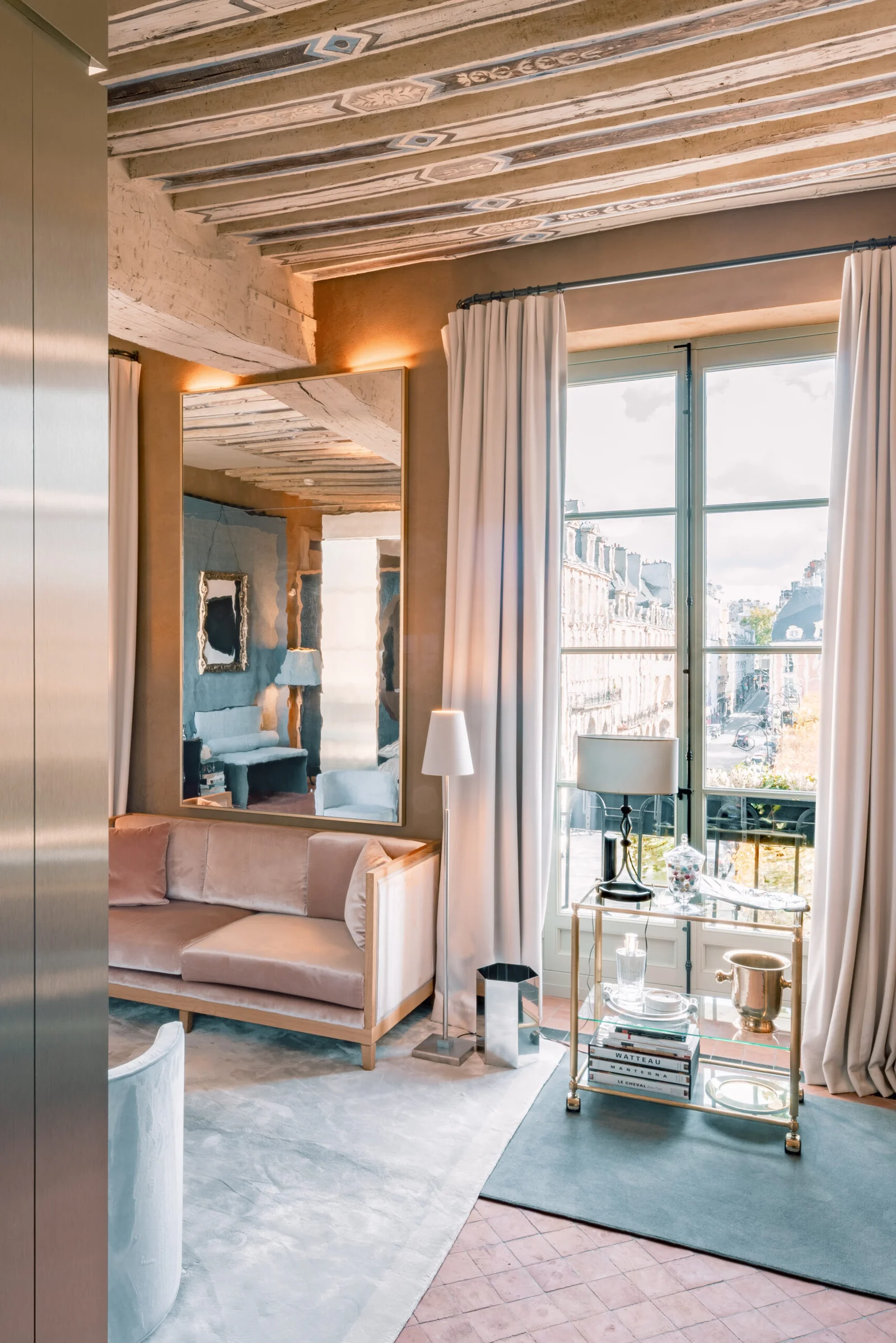
A styled interior — here a hotel lounge with its materials, its reflections, its ambient lighting — takes setup time an exterior does not require: managing mixed light sources, waiting for the room to be arranged exactly as it should appear, sometimes shifting an object by a few centimetres. That time naturally shows up in the quote, independent of the building’s overall size.
The weight of usage rights
This is the point most often underestimated in a quote request. Two reports that take the same time to shoot can end up priced very differently depending on how the images will be used: a portfolio piece for an architect’s submission, an outdoor advertising campaign for a developer, or press use with exclusivity over a defined period do not carry the same value, and therefore do not carry the same price.
This logic is detailed on the /tarifs/ page, which distinguishes between usage types and licence durations. It is the only reliable source on this subject — a figure given out of context, here or anywhere else, can only be approximate to the point of being useless.
Getting an accurate quote
A proper quote is built from a handful of simple details: the building’s size, the number of images wanted, whether interiors are involved, whether aerial photography is needed, and above all how the images will be used. The clearer these points are upfront, the faster and more reliable the quote will be.
The /faq/ page answers other recurring questions about organising a report — turnaround, weather, how many revisions are possible. For a specific project, the most direct route is writing through the /contact/ page describing the building and the intended use: the quote that follows will be shaped by the actual project rather than by an average that would fit no one in particular.
Where this leads
If the question of price has come up, a project is probably already completed or close to it. The /photographe-architecture-paris/ page details the approach taken for this kind of report — framing, light, reading the urban context — and lets you see whether it matches what you are looking for.
If the choice of photographer is still open, the article Comment choisir le bon photographe d’architecture pour votre projet ? covers the criteria that actually matter beyond price — portfolio, understanding of the building, availability at the right time of day — and helps ask the right questions before a quote is even requested.