Bouygues Immobilier: Coliving, the New Trend in Urban Housing
The concept of coliving in urban architecture, illustrated by the Polyroom project carried out with Cutwork and Bouygues Immobilier: advantages, disadvantages and outlook.
Living differently: the Polyroom module
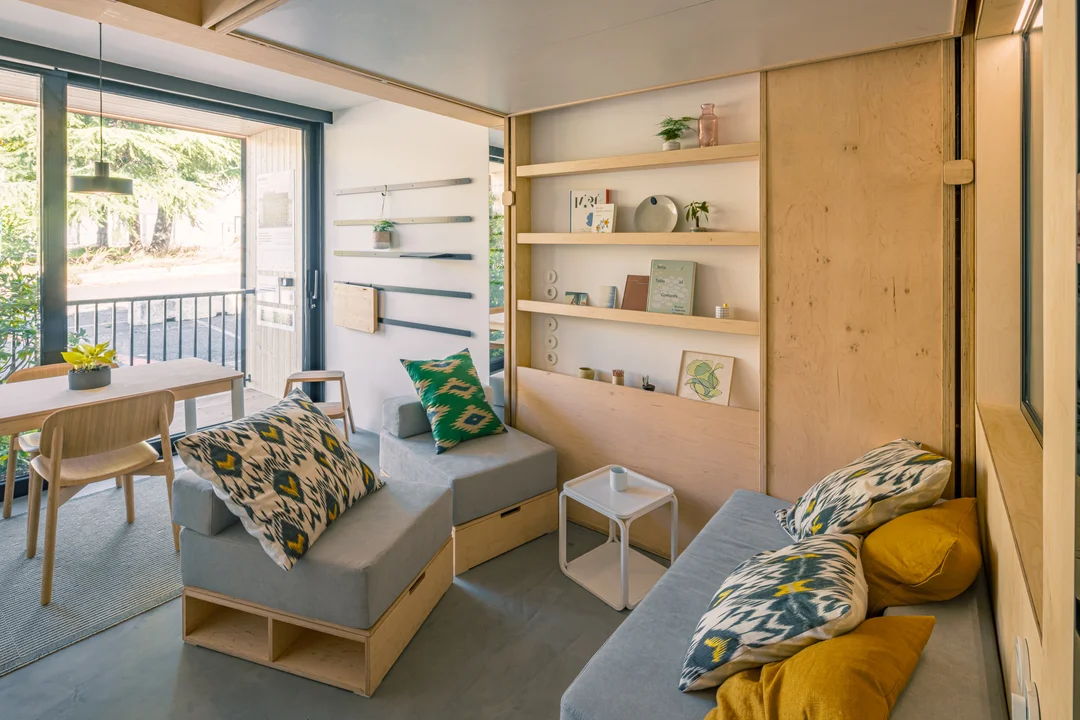
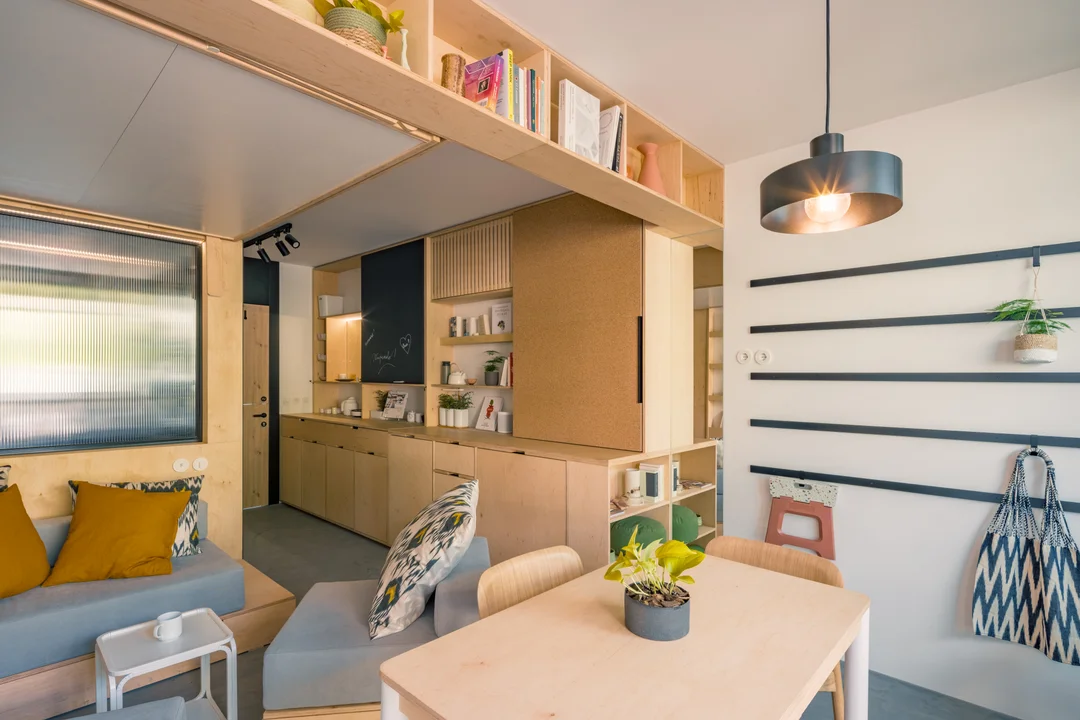
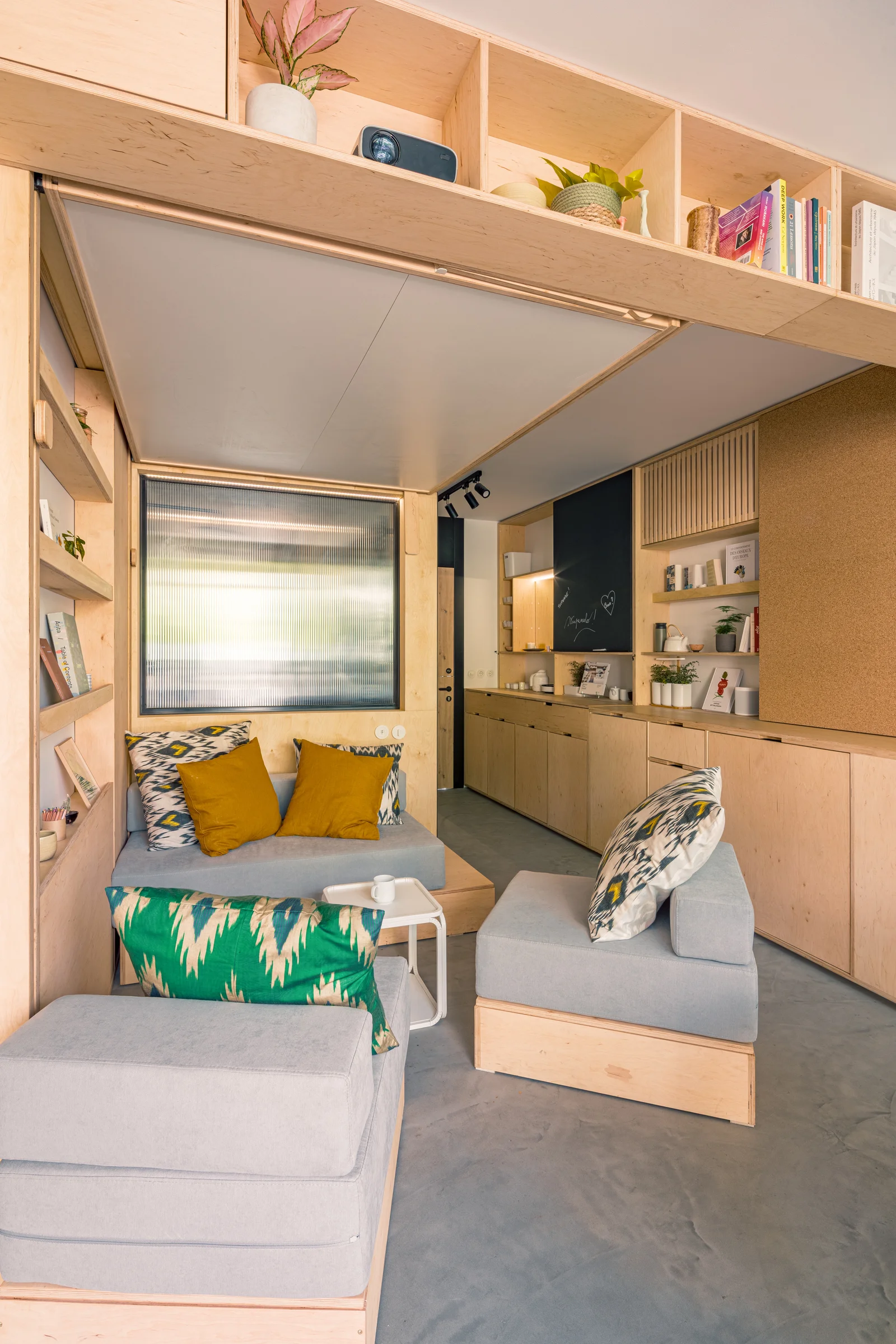
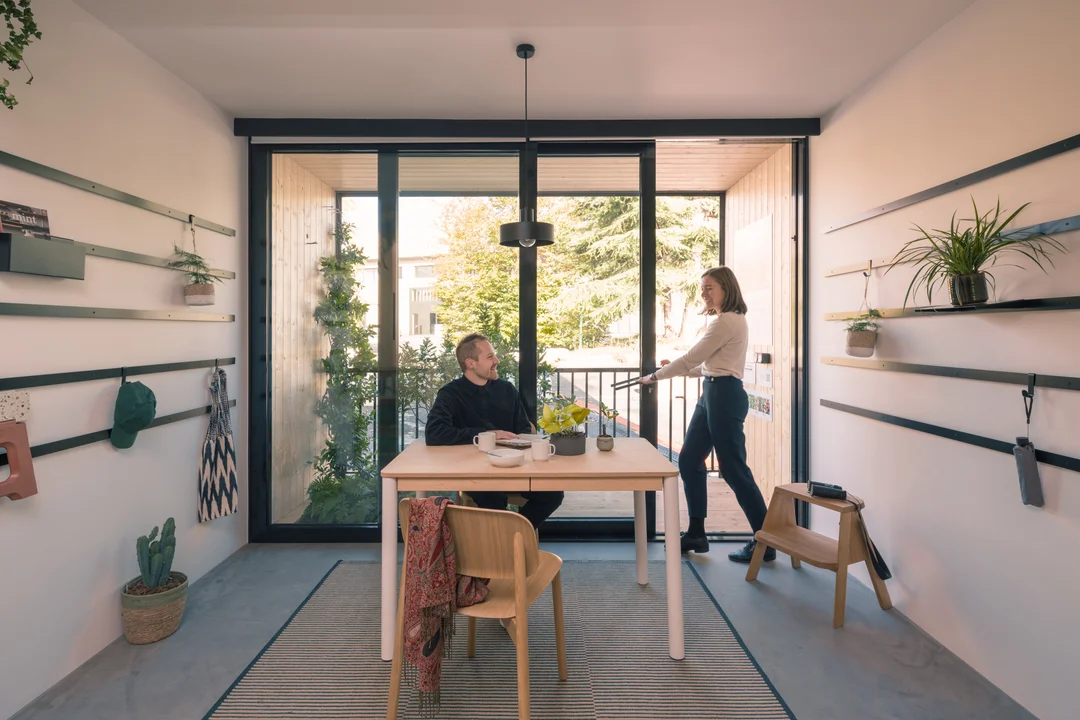
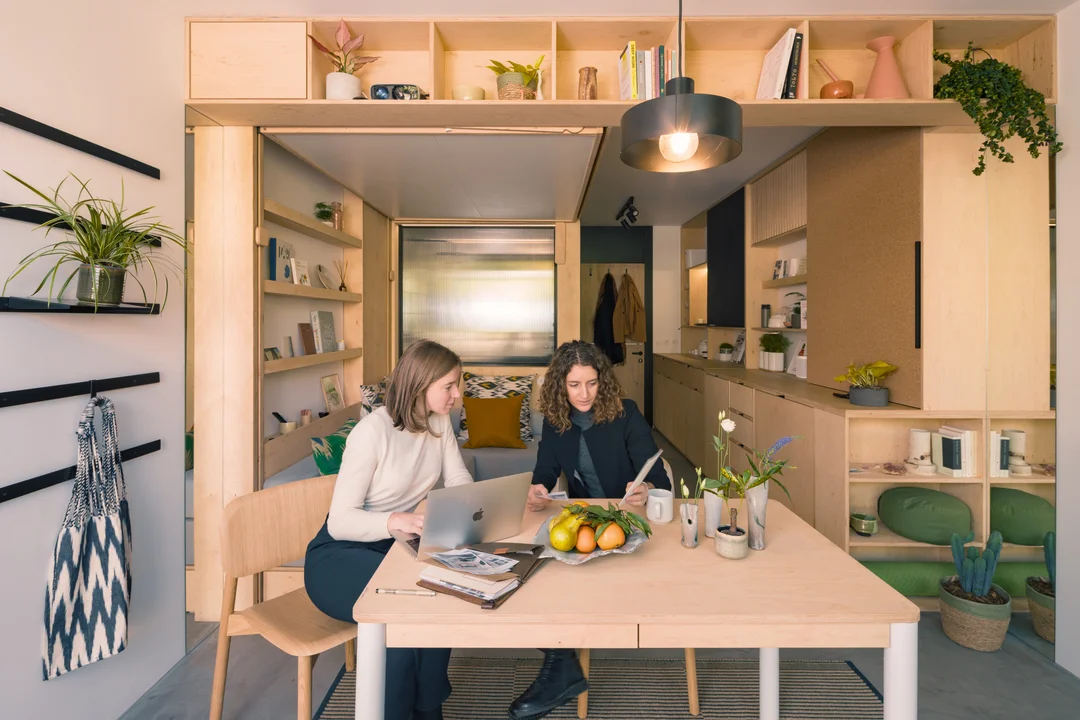
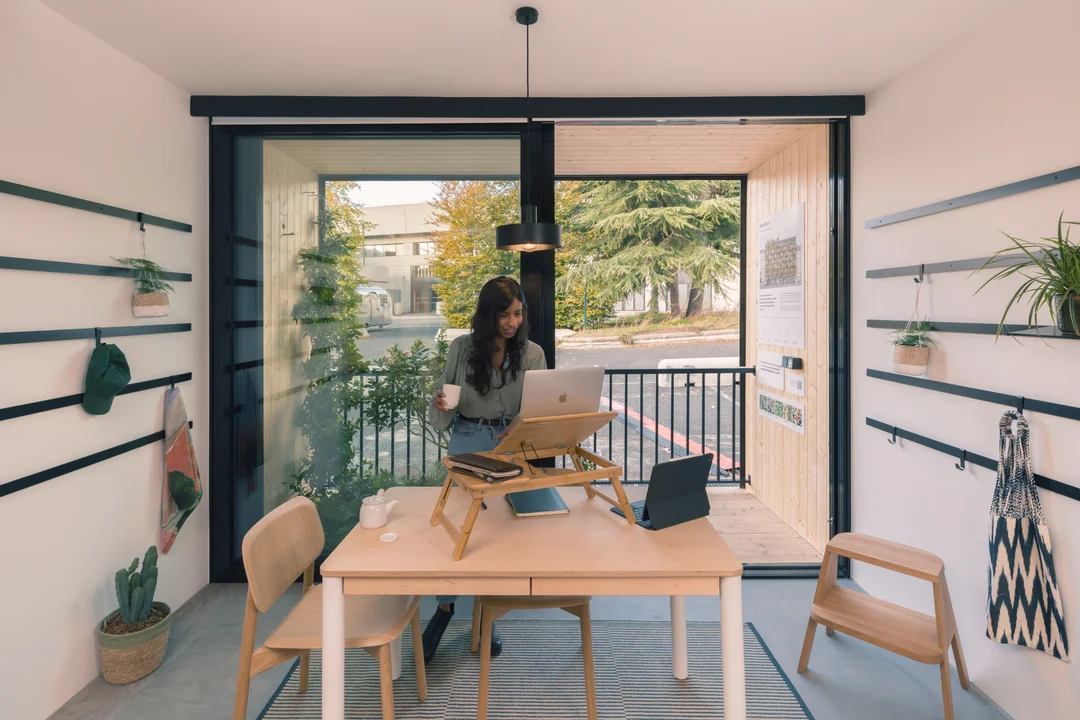
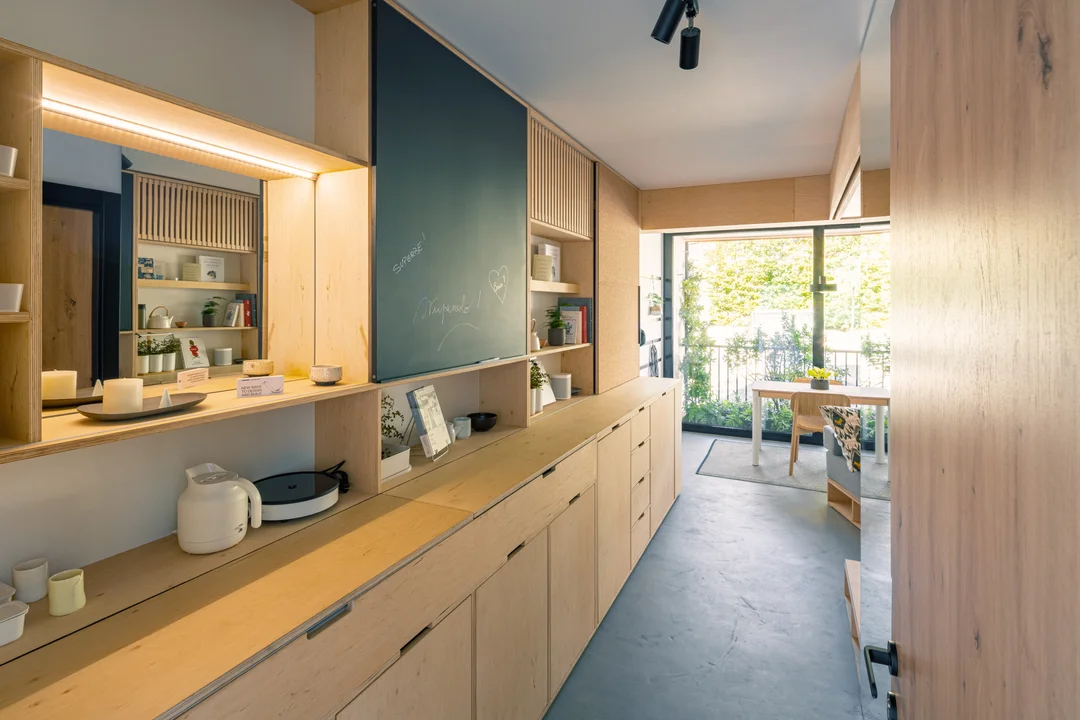
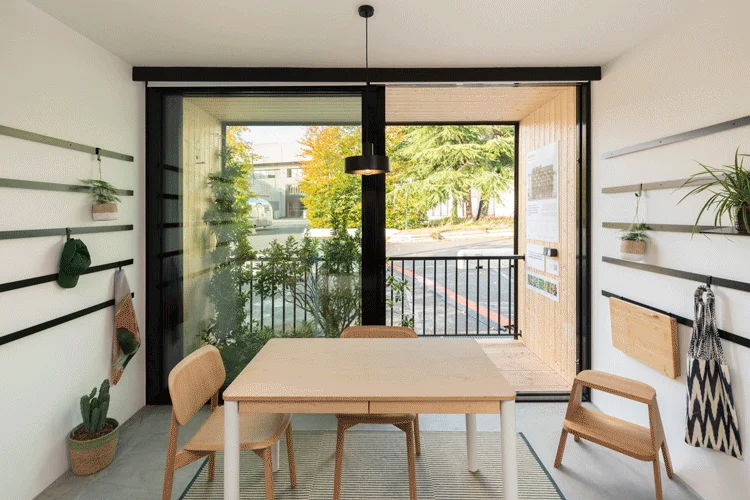
Polyroom project, Cutwork + Bouygues Immobilier
Photo animation © Pierre Châtel-Innocenti
The concept of coliving in architecture represents an innovative response to changing urban lifestyles. It draws on principles of sharing, community and flexibility, offering an alternative to traditional housing. Here is a detailed overview of this concept, with examples of existing projects that illustrate its diversity and impact.
What Is Coliving?
Coliving is a type of shared housing designed to foster a community of residents with common interests or values. These spaces are generally furnished and offer all-inclusive services, such as cleaning, utilities and sometimes even community events. Coliving places emphasis on flexibility, offering short-term leases and generous shared spaces.
Key Features of Coliving
Shared and Private Spaces: A combination of private living spaces with large, versatile common areas.
Sustainability: Use of eco-friendly materials and design focused on reducing carbon footprint.
Community: Encouragement of collaboration and interaction among residents.
All-Inclusive Services: Amenities such as Wi-Fi, cleaning and coworking spaces are often included.
Examples of Coliving Projects
The Collective Old Oak, London: The largest coliving space in the world, offering more than 500 rooms. It includes shared workspaces, a gym, a library and even a restaurant.
Roam, Several Global Locations: A coliving network with properties in cities such as Bali, Miami and Tokyo. Roam offers flexible leases and spaces designed to foster a community of digital nomads.
Polyroom: Cutwork’s Polyroom project is an innovative initiative in the coliving field, developed in partnership with Bouygues Immobilier. This project is based on the design of prefabricated modular units, conceived to meet users’ changing needs in terms of living and working space.
Quarters, Berlin and New York: A coliving project focused on technology to facilitate community living. With apps for everything, from booking common spaces to communication between residents.
StarCity, San Francisco: This project aims to make city living more accessible through affordable shared housing. StarCity offers private rooms in buildings with shared kitchens and lounges.
WeLive, New York and Washington D.C.: A WeWork offshoot, WeLive offers furnished apartments with luxurious common spaces, with an emphasis on creating a dynamic community.
Advantages of Coliving
Coliving represents an innovative housing solution suited to the needs of modern city dwellers. This form of shared housing has established itself as an advantageous alternative to traditional lifestyles, particularly attractive to young professionals, students and digital nomads. Here are some of the notable advantages of coliving that contribute to its growing appeal:
Contract Flexibility: Coliving offers less restrictive lease agreements than conventional rentals, allowing for greater mobility.
Sharing of Common Spaces: Access to modern kitchens, lounges, etc., making everyday life easier.
Comfort and Convenience: Coliving spaces are often located in city centres and offer a higher level of comfort, being mostly new-build constructions.
Access to a Community: Coliving makes it easier to form connections and gain access to a community offering potential synergies.
Savings: Coliving allows housing costs to be shared.
Sources:
https://emeraudetrip.com/coliving-avantages/
https://www.lemondetudiant.org/la-mode-du-coliving-pour-les-etudiants-pour-ou-contre/
Disadvantages of Coliving
While coliving offers many advantages, it is also important to consider its disadvantages for a balanced perspective. This lifestyle, while innovative and suited to some, may not suit everyone due to various factors. Here is a list of the main disadvantages of coliving, which may be worth considering for those thinking about this housing option:
Potentially High Cost: Some coliving spaces can be less affordable in the long run, especially if rents are high.
Unsuited to Certain Profiles: Community living may not suit everyone, particularly those seeking more independence or who find it difficult to share certain spaces.
Lack of Privacy: Cohabiting in the same space can reduce the level of privacy and cause discomfort, particularly for those who need more concentration and quiet to work and live.
Sources:
https://emeraudetrip.com/coliving-avantages/
https://www.immo974.com/coliving-avantages-inconvenients.html
https://www.union-immobiliere.com/la-tendance-du-coliving-points-forts-et-points-faibles/
What Future for Coliving?
Coliving meets not only the needs of young professionals and digital nomads but also a growing demand for flexible and affordable housing in urban areas. With the rise of remote work and shifting priorities among younger generations, coliving is becoming an increasingly popular option.
Coliving architecture continues to evolve, integrating smart technologies to enhance the residential experience and address environmental concerns. Future projects could see an even greater fusion between living, working and leisure spaces, redefining our conception of home in modern cities.
In Summary…
Coliving in architecture represents far more than a passing trend; it embodies a fundamental transformation of urban housing. In response to contemporary housing challenges, it offers solutions that are sustainable, community-focused and remarkably flexible.
As coliving projects multiply around the world, this concept is on its way to becoming a pillar of modern urban life. Before taking the plunge, we invite you to carefully consider whether coliving meets your personal expectations and requirements.